
What Is Calf Ridge on a Hammock? Explained
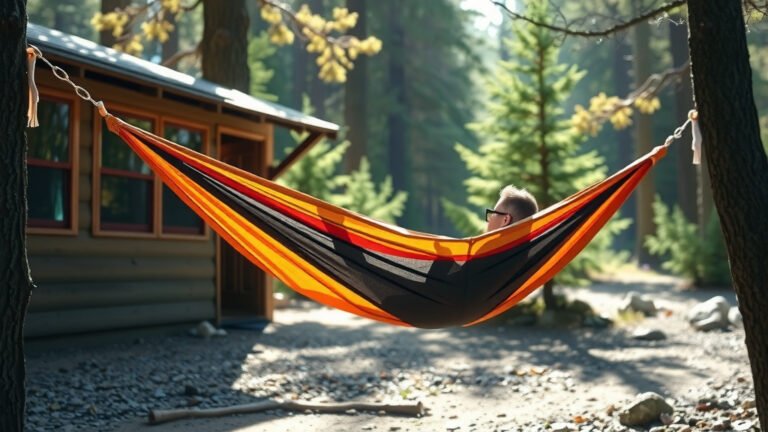
A calf ridge in a hammock is the slight outward curve or bulge you’ll notice along the side edges of your hammock’s fabric. It’s a common feature on many types of hammocks, particularly those with a gathered-end design. You’ll often see this ridge on hammocks made from nylon or polyester materials.
This subtle bulge isn’t just for looks; it plays a role in your comfort and the hammock’s overall structure. Understanding this feature can help you achieve a more comfortable and stable hang. It’s part of what makes your hammock feel so cozy and secure.
- Calf ridge: It’s the outward curve on the hammock’s side edges.
- Purpose: It helps with comfort and hammock stability.
- Common on: Gathered-end hammocks, especially nylon ones.
- Why it matters: It contributes to a secure and cozy hang.
Ready to learn more about this common hammock feature and how it affects your hang? Let’s dive into what that little curve really means for your relaxation.
Understanding That Hammock Curve: What’s a Calf Ridge?
So, you’ve noticed a slight outward bulge along the sides of your hammock. That’s your calf ridge! It’s that gentle curve you see when the hammock fabric isn’t pulled perfectly taut in a straight line. Think of it like the slight rounding on the edge of a comfortable armchair. This feature is most common in gathered-end hammocks, especially those made from synthetic materials like nylon or polyester. These materials are great for hammocks because they are durable and lightweight, but they also lend themselves to forming these natural curves.
Why does this little ridge exist? It’s not a defect or something to worry about. In fact, it’s often a sign of a well-made hammock designed for comfort. This subtle bulge plays a role in how the hammock supports your body. It helps create a more enclosed and secure feeling, preventing you from feeling like you might roll out. It contributes to the overall structure, making your hang more stable and, well, more enjoyable. This subtle bulge plays a role in how the hammock supports your body, helping create a more enclosed and secure feeling.
How the Calf Ridge Affects Your Hang
The calf ridge has a direct impact on your comfort when you’re lounging in your hammock. It’s more than just a visual detail; it’s functional. When you settle into your hammock, the fabric naturally forms a shape that cradles your body. The calf ridge helps enhance this cradling effect. It essentially allows the hammock to hug your sides a bit, providing a cozier and more supportive experience.
Creating a More Comfortable Cocoon
Imagine you’re trying to get cozy on a chilly evening. You’d pull a blanket around you, right? The calf ridge does something similar for your hammock experience. It helps create a more enclosed space. This can make you feel more secure and less exposed to the elements, like a gentle breeze. Many hammock users find that this feature significantly boosts their comfort level, especially for longer relaxation sessions.
Preventing the “Banana Effect”
Have you ever felt like you were lying in a tight, uncomfortable arc? Sometimes, without a proper calf ridge, hammocks can feel too much like a banana. You might feel like you’re constantly fighting to stay centered. The outward curve of the calf ridge helps to distribute your weight more evenly. It encourages a flatter, more natural laying position. This means less strain on your back and a much more relaxed posture.
Stability and Security
The calf ridge isn’t just about comfort; it also adds to the stability of your hammock. When you lie down, your weight pushes the fabric outward. The calf ridge helps manage this outward force. It prevents the sides of the hammock from collapsing inward too much. This provides a more secure base, making you feel more stable. You’re less likely to feel like you’re tipping or shifting unexpectedly. It helps keep you centered and secure in your hang.
Why Your Hammock Might Have a Calf Ridge
The presence and prominence of a calf ridge can depend on a few factors. The design of the hammock is a big one. Gathered-end hammocks, which are extremely popular for camping and casual use, are where you’ll see this most often. These hammocks have a simple construction where the ends of the fabric are gathered together and attached to suspension points.
Material Matters
The type of material used plays a significant role. Synthetic fabrics like nylon and polyester are common. These materials have a natural stretch and drape. When you put weight into a gathered-end hammock made from these materials, the fabric naturally wants to curve outward at the sides. This outward curve is the calf ridge. Natural fibers like cotton might drape differently and might not show as pronounced a calf ridge.
The Gathered-End Design
In gathered-end hammocks, the fabric is sewn into a channel at each end. This channel is where your suspension ropes or straps pass through. When you hang the hammock, the tension pulls the fabric taut. However, the way the fabric is gathered allows for this outward bulge along the sides. It’s a natural consequence of how this style of hammock is constructed and how the material behaves under tension. Think of it like gathering the edges of a skirt – you get folds and curves.
Construction and Stitching
The way a hammock is stitched can also influence the calf ridge. Well-constructed hammocks often have reinforced stitching. This not only adds durability but can also help maintain the intended shape. The stitching can guide the fabric’s drape and support the outward curve, ensuring it contributes positively to your comfort rather than becoming a nuisance. Manufacturers often design their hammocks with this curve in mind.

Identifying a Good Calf Ridge
Not all calf ridges are created equal. You want a ridge that enhances your comfort, not detracts from it. A good calf ridge feels supportive and helps create that cozy cocoon effect. It shouldn’t feel like the hammock is constricting you or pulling you into an awkward position. It should be a gentle, natural curve.
When the Ridge is Just Right
You’ll know you have a good calf ridge when you lie down and feel securely cradled. The sides of the hammock will gently curve upward, preventing you from feeling like you’re about to slide out. Your body should feel supported, with your back in a comfortable, natural position. You might even feel like the hammock is hugging you, providing a sense of warmth and security. Many users report feeling more rested and comfortable with a well-formed calf ridge.
When the Ridge Might Be Too Much
On the flip side, sometimes a calf ridge can be too pronounced. This might happen if the hammock is made from a very stiff material or if the design is not quite right. If the ridge feels like it’s pulling you into an unnatural shape or making it difficult to lie flat, it might be too much. You might feel like you’re being squeezed or that the hammock is too narrow. This can lead to discomfort, especially for side sleepers or those who like to spread out.
| Feature | Ideal Calf Ridge | Less Ideal Calf Ridge |
|---|---|---|
| Shape | Gentle, outward curve | Sharp, inward bend or too stiff |
| Comfort | Creates a cozy, secure feeling | Feels constricting or uncomfortable |
| Stability | Helps distribute weight evenly | Causes imbalance or tipping sensation |
| Body Position | Allows for a flatter, natural lay | Forces an awkward, arched position |
Making the Most of Your Hammock’s Calf Ridge
Once you understand what the calf ridge is and how it works, you can adjust your hang to maximize its benefits. It’s all about finding that sweet spot for your comfort. A few small adjustments can make a big difference in your overall hammock experience. This is where you can really fine-tune your relaxation.
Adjusting Your Hang Angle
The angle at which you hang your hammock matters. A common recommendation from many hammock experts is a 30-degree angle (National Center for Health Research). This angle helps create a flatter lay, which is where the calf ridge really shines. If your hammock is hung too tight (too steep an angle), you might find yourself in a U-shape, and the calf ridge might not feel as beneficial. If it’s too loose, you might sag too much.
Finding Your Perfect Lay
Experiment with where you position yourself in the hammock. Try shifting slightly forward or backward. See how the fabric reacts. The calf ridge works best when your weight is distributed properly. You want to find a spot where the hammock cradles you comfortably without feeling like you’re being squeezed. Sometimes, even a small adjustment can change the feel of the ridge.
Tips for a Better Hang:
- Ensure your suspension straps are level.
- Aim for that 30-degree hang angle.
- Experiment with slight shifts in your position.
- Make sure your hammock is the right length for your suspension.
- Don’t be afraid to adjust until it feels just right.
- Consider a hammock with built-in bug nets or tarps for added comfort.
Conclusion
You’ve now learned that the calf ridge is a key feature in many hammocks, especially gathered-end designs. This outward curve isn’t a flaw; it’s intentionally designed to enhance your comfort and stability. By understanding how the calf ridge works with your body and the hammock’s material, you can achieve a more secure and relaxing hang. Adjusting your hang angle and experimenting with your position will help you find that perfect sweet spot. So go ahead, get out there and enjoy a cozier, more stable hammock experience thanks to that clever little curve!
Frequently Asked Questions
Does every hammock have a calf ridge?
No, not every hammock features a distinct calf ridge. You’ll most commonly find them on gathered-end hammocks, particularly those made from synthetic materials like nylon or polyester. Hammocks with rigid spreader bars or different designs might not exhibit this particular curve.
Can a calf ridge be too pronounced?
Yes, it’s possible for a calf ridge to be too pronounced. If the curve feels constricting, forces you into an unnatural shape, or makes the hammock feel too narrow, it might be too much. This can sometimes happen with very stiff materials or certain hammock designs.
How do I know if my calf ridge is “good”?
A good calf ridge feels supportive and helps create a cozy, cocoon-like feeling without being constricting. You should feel securely cradled, with the sides gently curving up to prevent you from rolling out. Your body should feel comfortably supported in a natural position.
Will a calf ridge help me sleep better in a hammock?
A well-formed calf ridge can definitely contribute to better sleep. It helps create a more stable and secure hang, preventing you from feeling like you’re going to roll out. This sense of security, combined with a flatter, more natural lay, can make sleeping in your hammock much more comfortable.
Does the material of the hammock affect the calf ridge?
Absolutely. Synthetic materials like nylon and polyester have a natural drape and stretch that lends itself well to forming a calf ridge when tension is applied. Natural fibers might hang differently and may not show as noticeable an outward curve along the sides.