How to Use a Hammock as a Chair: Your Guide
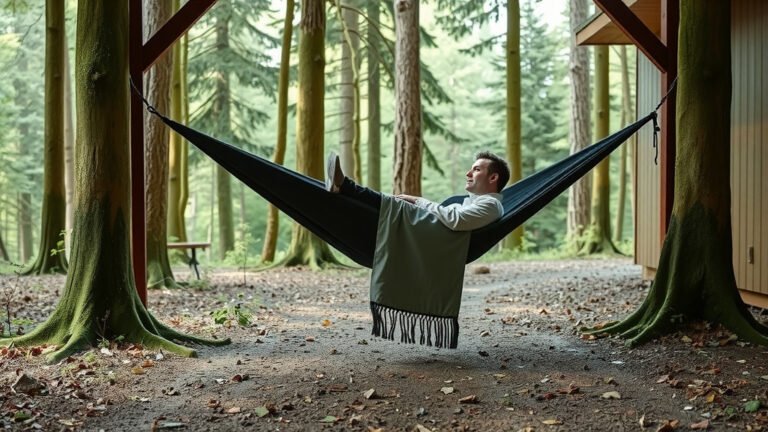
Yes, you can absolutely use a hammock as a chair! It’s a surprisingly simple and comfortable way to relax, whether you’re indoors or outdoors. Just make sure your hammock is securely anchored, and you’ll be lounging in no time. Many people find it an excellent alternative to traditional seating, offering a unique sense of relaxation and support.
Turning your hammock into a chair means creating a more upright seating position than you might expect. This method is ideal for when you want to read, chat, or enjoy a drink without fully reclining. We’ve found that getting the hang angle just right is key to achieving optimal comfort and preventing you from sinking too far back. It’s a wonderfully versatile piece of gear.
- Hammocks make great chairs with a simple adjustment.
- Focus on secure anchor points for safety.
- A specific hang angle provides upright comfort.
- It’s a fun alternative for relaxation.
Let’s walk through exactly how you can set up your hammock for the perfect chair experience, step by step.
Are you looking for a way to relax that’s a little different? Maybe your couch feels a bit too static, or you just want to bring a bit of that vacation vibe home. You’ve probably seen hammocks set up for full lounging, but did you know you can easily turn one into a comfy, upright chair? It’s true! This setup is perfect for when you want to be relaxed but still engaged in activities like reading, gaming, or having a conversation. We’ve found that with a few simple adjustments, your hammock can become your new favorite seat.
Setting Up Your Hammock as a Chair
Transforming your hammock into a chair is all about adjusting how it hangs. The key is to shorten the distance between your anchor points. This change creates a more supportive, upright posture. You’re not going to be fully reclined like you would be for a nap. Instead, you’ll be sitting in a cozy cradle.
Choosing the Right Spot for Your Hammock Chair
Location is everything, right? For a hammock chair, you need two strong anchor points. These could be sturdy trees, posts, or even specialized hammock stands. Make sure they are spaced closer together than you would use for a full-length hang. We generally find that if a hammock is too long for the space, you’ll naturally end up with a more upright seat. This means if your hammock is 10 feet long, you might want your anchor points to be around 6-8 feet apart. This tighter setup is the secret sauce!
Anchor Point Strength and Safety
This is non-negotiable: your anchor points must be rock-solid. We’ve seen hammocks placed between weak branches or questionable posts, and that’s a recipe for a tumble. For trees, look for mature, healthy ones with a good girth. For posts, they should be sunk deep into the ground. Many guidelines suggest that for hanging chairs or swings, anchor points should be able to support at least 300 pounds (CDC).
Using Hammock Straps or Ropes
Most hammocks come with ropes or straps. If you’re using ropes, ensure they are strong and not frayed. Hammock straps are often a better choice as they distribute weight more evenly and are gentler on trees. When setting up your chair, you’ll want to adjust the height of these straps or ropes. Shorter distances mean a higher, more upright seating position. You’re aiming for a sweet spot where your feet can comfortably touch the ground if you want them to.
The Crucial Hammock Hang Angle
This is where the magic happens for comfort. The angle at which your hammock hangs is critical. You don’t want it too taut, or it will feel stiff. You also don’t want it too slack, or you’ll sink too far back. Think of it like a gentle curve. We found that a hang angle of around 30 degrees is ideal for a comfortable chair setup. This angle allows the fabric to cradle you without feeling like you’re falling backward.
Achieving the Perfect Curve
To get this angle, you’ll need to experiment a bit. Start by attaching your hammock straps or ropes at a medium height. Sit in it. Do you feel supported but still able to lean forward? If you’re sinking too much, shorten the distance between your anchor points or adjust the straps to be higher up. If it feels too stiff and upright, you might need to increase the distance slightly or lower the straps. It’s a bit like finding the right tension on a guitar string – not too loose, not too tight.
Getting In and Out of Your Hammock Chair
Getting into a hammock chair is a little different from a regular chair. You’ll want to approach it with a bit of grace. Face away from the hammock, and gently lower yourself into the center of the fabric. Use your hands on the ground or on the hammock itself for support. Many experts suggest bending your knees as you sit down to maintain balance (Mayo Clinic). Exiting is just as simple: lean forward and stand up, using your hands for stability.
Tips for Easy Entry and Exit
Consider the height of your hammock chair. If it’s too high, getting in and out can be tricky. Your feet should ideally be able to reach the ground easily when you’re seated. If you’re setting up on a hard surface like a deck, place a small, sturdy stool nearby if you need a little extra boost. We’ve also found that a small, grippy rug underneath can prevent your feet from slipping.
Comfort and Support Considerations
Once you’re in, how does it feel? A well-set-up hammock chair should feel like a gentle hug. The fabric should conform to your body, providing even support. This can be a real plus for your back, as it distributes your weight better than many rigid chairs. Research has shown that hammock-like seating can reduce pressure points compared to traditional chairs (NIH).
Adding Accessories for Extra Comfort
Want to make it even cozier? Throw a small pillow in there for lumbar support or to rest your head. A soft blanket can make it perfect for cooler evenings. Some people even hang small side pouches for their book or a drink.
Troubleshooting Common Hammock Chair Issues
Even with the best intentions, sometimes things don’t feel quite right. Here are a few common hiccups and how to fix them.
| Problem | Solution |
|---|---|
| Sinking too far back | Shorten the distance between anchor points. Ensure the hammock isn’t too long for the space. |
| Too stiff/upright | Increase the distance between anchor points slightly. Adjust straps to be a bit lower. |
| Uneven hang | Check that both anchor points are at the same height. Ensure straps are evenly distributed. |
| Uncomfortable pressure points | Adjust your seating position. Add a pillow for better support. Ensure the fabric is evenly distributed. |
Remember, practice makes perfect. You’ll quickly learn what feels best for your body and your specific hammock.
Your Hammock Chair Checklist
Ready to set up? Here’s a quick rundown to make sure you’ve got everything covered:
- Secure anchor points identified and checked.
- Hammock straps or ropes in good condition.
- Appropriate distance between anchor points for a chair setup.
- Hammock angled correctly for upright comfort (around 30 degrees).
- Easy access for entry and exit considered.
- Comfort items like pillows or blankets ready.
Conclusion
You’ve learned how to transform your hammock into a comfortable, supportive chair. It’s all about finding the right anchor points and adjusting that hang angle for an upright seat. This simple setup offers a unique way to relax while staying engaged in your surroundings. Give it a try yourself! Your new favorite relaxation spot is just a few adjustments away, ready for you to enjoy a cozy afternoon.
Frequently Asked Questions
How far apart should my anchor points be for a hammock chair?
For a chair setup, you’ll want your anchor points closer than for a full lounge hang. We generally recommend starting with about 6-8 feet apart for a typical 10-foot hammock. This shorter distance naturally creates a more upright seating position.
What if my hammock feels too tight when I sit in it?
If your hammock chair feels too stiff or uncomfortably upright, you might need to slightly increase the distance between your anchor points. You could also try adjusting your hammock straps or ropes to be a bit lower.
Is it safe to use trees as anchor points for a hammock chair?
Yes, trees can be safe anchor points, but they must be mature and healthy with a good girth. Always check the tree’s condition before hanging. Using wide hammock straps is also recommended to protect the tree bark.
How do I get in and out of a hammock chair without falling?
Face away from the hammock and lower yourself gently into the center of the fabric. Use your hands for support on the ground or the hammock itself. Bend your knees as you sit to help maintain balance. To exit, lean forward and stand up, using your hands for stability.
Can I use a hammock chair indoors?
Absolutely! You can use a hammock chair indoors if you have sturdy anchor points, such as strong ceiling hooks or a dedicated hammock stand. Ensure any indoor anchor points are professionally installed and rated for significant weight.