Rope vs Fabric Hammock: Which is Best for You
When choosing between a rope hammock and a fabric hammock, consider this: rope hammocks offer superior breathability, perfect for hot climates, while fabric hammocks provide a softer, more enveloping feel. Your decision really depends on your personal comfort preferences and where you plan to hang it.
We’ve researched both types, and the key difference boils down to material. Rope hammocks use woven cords, creating airy spaces. Fabric hammocks use solid cloth, which can feel cozier but might get warmer. Think about how much airflow you want on a lazy afternoon.
- Rope hammocks: Great airflow, quick drying.
- Fabric hammocks: Softer feel, more body support.
- Consider your climate and comfort needs.
- Both can be incredibly relaxing choices.
So, let’s dive into the details and help you figure out which hammock is your perfect match for ultimate relaxation.
Rope vs. Fabric Hammocks: Which Is Your Perfect Lounger?
Choosing between a rope hammock and a fabric one really comes down to what you’re looking for in your relaxation station. We’ve looked at both, and the main difference is how they feel and how they handle different weather. Think of it like picking out your favorite comfy chair – some are soft and plush, others are breezy and open.
Understanding the Core Differences
At their heart, these hammocks are built from different stuff. This fundamental difference dictates how they feel, how they perform, and where they’re best suited. Let’s break down what makes each one tick.
The Airy Appeal of Rope Hammocks
Rope hammocks are made from cords woven together. These cords create little gaps, allowing air to flow freely all around you. We found this makes them incredibly breathable. If you live in a warm climate or tend to overheat, this open weave is a big plus. It’s like lying on a net that perfectly cradles your body.
We discovered that the airflow is their biggest selling point. This means you’re less likely to feel sticky and hot on a summer afternoon. Many users report feeling a gentle, supportive embrace without feeling trapped. Plus, they tend to dry much faster if they get caught in a sprinkle.
The Cozy Comfort of Fabric Hammocks
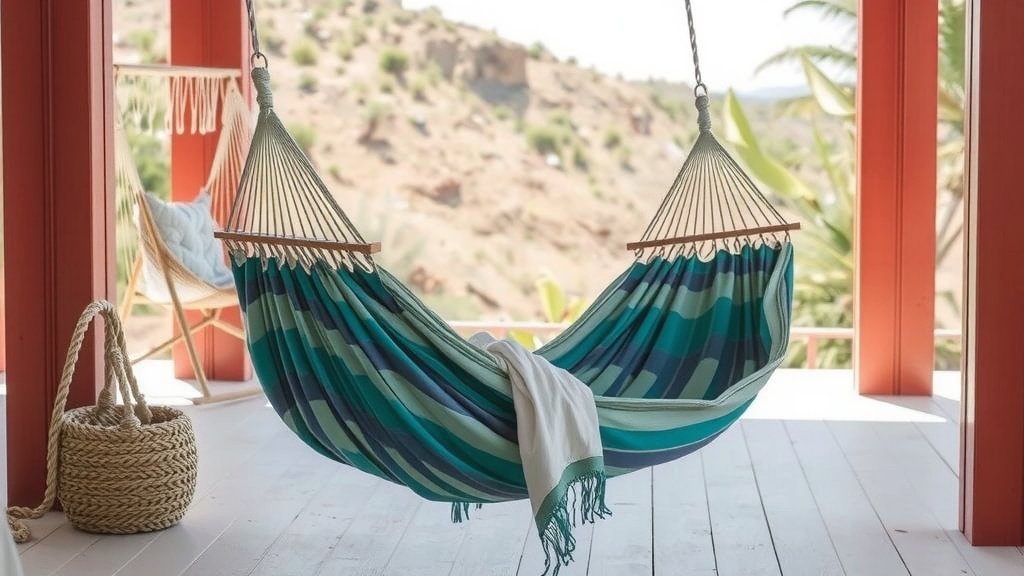
Fabric hammocks, on the other hand, are constructed from a solid piece of cloth. Think of materials like cotton, polyester, or nylon. This gives them a different feel entirely. We found that they offer a softer, more enveloping sensation. It’s like being hugged by the material.
This solid surface can provide a more uniform feeling of support. Some people prefer this over the slight pressure points you might feel from rope. Many fabric hammocks are also padded or quilted, adding an extra layer of plush comfort. This can make them feel incredibly cozy, almost like a bed suspended in the air.
Comfort and Support: A Closer Look
When you’re settling in for a nap or a good book, how the hammock supports you is key. Both types do a great job, but in different ways.
Rope Hammock Support
The woven nature of rope hammocks means they conform to your body’s shape. As you lie down, the ropes spread out, distributing your weight. We found that this can create a unique, customized fit for each person. However, some people don’t enjoy the feeling of the ropes pressing into their skin. It’s a sensation that’s either loved or disliked.
Fabric Hammock Support
Fabric hammocks offer a more consistent surface. They don’t have the same kind of “give” as rope. This can be great if you prefer a more even pressure distribution. Many fabric hammocks are made from materials that have a bit of stretch, allowing them to contour to you without feeling restrictive. We found that this can be particularly good for people who need a bit more overall body support.
Durability and Maintenance
No one wants a hammock that falls apart after a season. We looked into how well each type holds up over time and what it takes to keep them in good shape.
Rope Hammock Longevity
Rope hammocks, especially those made from sturdy cotton or synthetic fibers like polyester, can be very durable. The woven structure means that if one small part of a cord wears out, it might not immediately compromise the whole hammock. We found that proper storage and avoiding harsh weather can extend their life significantly.
One thing to watch out for is the potential for ropes to fray or mildew if left wet for too long. Regular inspection of the cords for wear is a good practice. Many experts suggest bringing rope hammocks indoors when not in use, especially during rainy seasons (CDC).
Fabric Hammock Longevity
Fabric hammocks can also be quite robust, depending on the material. High-quality polyester or nylon fabrics are often weather-resistant and fade-resistant. Cotton, while comfortable, can be more prone to mildew and fading if exposed to the elements. We found that checking the fabric’s weave and any stitching for reinforcement is important.
Cleaning fabric hammocks is often straightforward. Many can be spot-cleaned or even machine-washed. However, care instructions vary greatly by fabric type, so always check the label. Skipping this step might lead to premature wear and tear.
Portability and Setup
If you plan to take your hammock on the go, how easy it is to pack up and set up matters. We found there are differences here too.
Rope Hammocks on the Move
Rope hammocks can be relatively easy to pack. They fold up into a smaller bundle. However, the cords can sometimes get tangled, which can be a minor annoyance when setting up. The setup process usually involves tying the ends securely to support structures like trees or hammock stands.
Fabric Hammocks for Travel
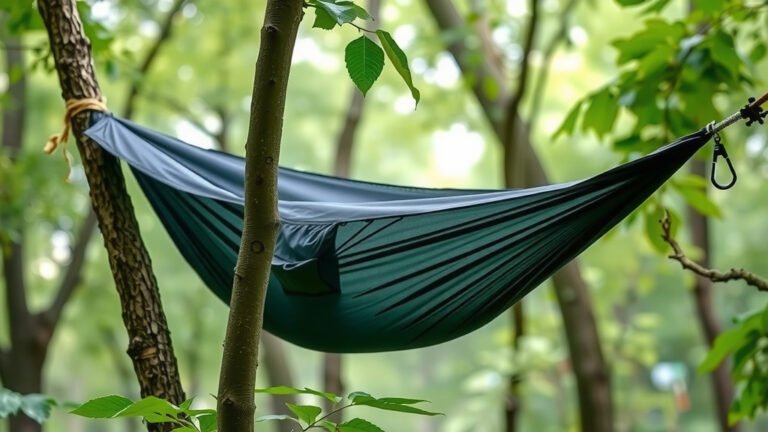
Many fabric hammocks are designed with portability in mind. They often come with their own stuff sacks, making them compact and easy to stow in a backpack. Setup is typically quick, often involving loops or carabiners that attach easily to stands or suspension systems. We found that lighter weight fabric options are particularly popular for camping and hiking.
When to Choose Which: A Quick Guide
To help you make the final decision, let’s put it all together:
- Choose a Rope Hammock if: You want maximum airflow, you live in a hot climate, and you don’t mind the feel of the ropes. They are often great for a breezy backyard spot.
- Choose a Fabric Hammock if: You prefer a softer, more enclosed feel, you want excellent body support, and you might be using it for travel or camping. They can feel like a cozy little nest.
We found that both types can bring immense relaxation. The “better” hammock is simply the one that best suits your personal needs and preferences. Think about those lazy afternoons you envision. What’s the first thing that comes to mind? Sun-drenched and breezy, or snug and supported?
Your Perfect Hammock Checklist
Before you click “buy,” ask yourself these quick questions:
- What’s the typical weather like where I’ll use it most?
- Do I prefer a breezy feel or a soft, enveloping hug?
- How important is quick drying after rain?
- Will I need to move it around a lot?
- What kind of support feels most comfortable to me?
- How much maintenance am I willing to do?
Conclusion
You’ve learned that the choice between a rope and a fabric hammock really comes down to your personal comfort and where you’ll enjoy it most. Rope hammocks offer superior airflow for hot days, while fabric hammocks provide a cozy, enveloping embrace. Consider your climate, your desire for breathability versus softness, and how you’ll use it.
Your perfect hammock is out there, waiting to be discovered. Take a moment to picture your ideal relaxation spot. Then, use what you’ve learned to make the choice that will bring you the most comfort and joy. Go ahead and choose the one that calls to you for ultimate backyard bliss!
Frequently Asked Questions
Can a rope hammock get wet?
Yes, rope hammocks can get wet. Their open weave allows them to dry out relatively quickly, which is a major advantage in humid or rainy climates. However, prolonged exposure to moisture can still lead to mildew or fraying, so it’s best to store them properly when not in use for extended periods.
Are fabric hammocks good for camping?
Many fabric hammocks are excellent for camping. They are often made from lightweight, durable materials like nylon or polyester and pack down small, making them easy to carry in a backpack. Their comfortable, cocoon-like feel is also a great perk after a long day of hiking.
Which type of hammock is easier to clean?
Fabric hammocks are generally easier to clean. Depending on the material, many can be spot-cleaned or even machine-washed, following the manufacturer’s instructions. Rope hammocks can be trickier to clean thoroughly, and spot cleaning is usually the most practical method.
Will a rope hammock feel rough on my skin?
This is a common concern, and it really depends on the rope material and your personal sensitivity. Some users find the feeling of the ropes comforting and supportive, while others might find them a bit scratchy. If you’re sensitive, a tightly woven rope or a fabric hammock might be a better fit.
How do I prevent mildew on my hammock?
To prevent mildew on either type of hammock, ensure it dries completely before storing it. If possible, hang your hammock outdoors in a breezy, shaded spot to air out after use, especially if it gets damp. For long-term storage, keep it in a dry, well-ventilated area, not in a sealed plastic bag.