Best Hammock for Cold Weather: Your Guide
When choosing a hammock for cold weather, you need one made with durable, insulated materials to keep you warm. Look for hammocks with a double-layer design or built-in insulation to block the chill. The best hammocks for chilly temps are those that minimize heat loss, keeping your outdoor relaxation cozy.
Cold weather hammock camping is totally doable with the right gear. It’s not just about the hammock itself; your sleep system plays a huge role. Think about adding an Consider adding an underquilt and a warm sleeping bag for maximum comfort when the temperatures drop.underquilt and a warm sleeping bag for maximum comfort when the temperatures drop. This combo is key to staying toasty.
- Focus on insulated hammocks.
- Consider a double-layer hammock for extra warmth.
- Don’t forget your sleep system: an underquilt and sleeping bag are vital.
- Look for hammocks made with ripstop nylon for durability.
- Proper insulation means you can enjoy your hammock year-round.
Ready to find the perfect cold-weather hammock? We’ve gathered the best options and tips to keep you snug, no matter the season. Let’s get you set up for some chilly comfort!
So, you’re thinking about hammock camping when it’s a bit chilly out. That’s fantastic! Hammocks can be incredibly cozy, even when the temperature dips. But to stay warm and comfortable, you’ll need to think a little differently than you would for a summer night. It’s all about choosing the right hammock and, just as importantly, the right gear to go with it. Let’s break down what makes a hammock great for cold weather.
Choosing Your Cold-Weather Hammock Setup
The right hammock for cold weather isn’t just a hammock. It’s part of a system designed to trap your body heat and keep the cold air out. Think of it like building a cozy nest. Your main goal is to create a barrier between you and the chilly air, both above and below you.
Understanding Hammock Insulation
Your body generates heat, but hammocks can lose that heat to the surrounding air. In cold weather, this heat loss is your enemy. We’re looking for hammocks that actively prevent this. This usually means looking at the materials and construction.
Double-Layer Hammocks: Your Warmth Multiplier
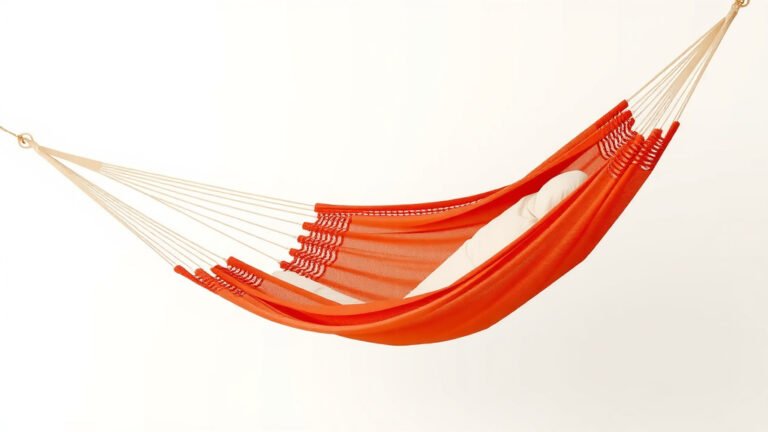
A double-layer hammock is a game-changer for cooler weather. Imagine having two layers of fabric with a small gap in between. You can actually slip extra insulation, like a foam pad, into this gap. This creates an excellent thermal barrier. It effectively stops that cold air from seeping through. Many users find this adds significant warmth without much extra weight.
Built-In Insulation Options
Some hammocks come with integrated insulation. These are often designed with a layer of synthetic fill, similar to what you find in a sleeping bag, sewn right into the hammock fabric. This is a convenient option if you don’t want to fiddle with adding separate insulation. It’s like having a built-in blanket. This can simplify your setup considerably.
Material Matters: Durability and Comfort
The fabric of your hammock plays a big role. For cold weather, you want something that feels comfortable against your skin but is also tough. Ripstop nylon is a popular choice for a reason. It’s strong and resists tears, which is great if you’re camping in wooded areas. It also dries relatively quickly, which is a bonus if any dew or light rain is involved.
While many hammocks use nylon, some might use polyester or even blends. For cold weather, we want materials that don’t feel clammy when damp. They should also be wind-resistant. A tightly woven fabric will offer better protection against breezy nights. This is key to preventing convective heat loss.
The Essential Sleep System for Cold Nights
Honestly, the hammock itself is only part of the story. Your sleep system is where the real magic happens for staying warm. Even the best insulated hammock won’t do much if you’re lying on a cold sleeping bag. Your body will sink through the hammock fabric, compressing your bag and eliminating its loft. This is bad for insulation. Honestly, the hammock itself is only part of the story; your sleep system is where the real magic happens for staying warm.
The Underquilt: Your Hammock’s Best Friend
An underquilt is arguably the single most important piece of gear for cold-weather hammock camping. It’s essentially a quilt that hangs *underneath* your hammock. Unlike a sleeping bag, it doesn’t get compressed by your body weight. This means the insulation stays lofty and continues to trap warmth effectively. Think of it as a cozy blanket wrapping around the outside of your hammock. We found that a good underquilt can make a 30-degree difference in comfort.
Underquilt Temperature Ratings
Underquilts are rated for temperature. You’ll see ratings like 0°F, 20°F, or 40°F. Choose one that matches the coldest temperatures you expect to encounter. It’s often better to go a bit warmer than you think you’ll need. You can always vent it if you get too warm.
Underquilt Styles and Insulation
Underquilts come with either down or synthetic insulation. Down is lighter and compresses smaller, but it loses its warmth when wet. Synthetic insulation is heavier and bulkier but insulates even when damp. For consistently cold and potentially wet conditions, synthetic can be a more forgiving choice. Many experts recommend synthetic for beginners in humid or unpredictable weather (US National Park Service).
The Sleeping Bag: Your Top Layer
You’ll still need a sleeping bag to go *inside* your hammock. This sleeping bag works with the underquilt to create a total insulation cocoon. For cold weather, you’ll want a bag with a low temperature rating. A bag rated for 15-30°F is a good starting point for many shoulder seasons.
Consider a bag that’s not too bulky. A bag that’s too large might leave dead air space. This dead air space can be hard for your body to heat. Some campers opt for a “top quilt” instead of a traditional sleeping bag. This is essentially an underquilt turned upside down, with foot boxes and a way to cinch around your shoulders.
Making Your Cold-Weather Hammock Setup Work
Putting it all together requires a little technique. Your goal is to eliminate as many “cold spots” as possible. These are areas where cold air can sneak in.
Creating a Draft-Free Zone
A hammock sock or bug net with a wind cover can make a huge difference. A sock is like a fitted sleeve that goes over your hammock. It adds another layer of wind protection and traps warm air. Many people find that a sock makes their underquilt perform even better. It’s like adding a cozy sweater to your setup.
Pads Inside and Out
If you have a double-layer hammock, a foam sleeping pad or an insulated air pad can be slid into the pocket between the layers. This adds incredible insulation from below. Even if you don’t have a double-layer hammock, some people use a thin closed-cell foam pad laid across the bottom of their sleeping bag inside the hammock. This can help reduce heat loss to the compressed sleeping bag.
Here’s a quick checklist for your cold-weather hammock kit:
- Insulated hammock or double-layer hammock.
- Underquilt rated for your expected temperatures.
- Warm sleeping bag or top quilt.
- Optional: Hammock sock or wind cover.
- Optional: Closed-cell foam pad.
- Good insulation means year-round comfort.
The combination of a well-chosen hammock and a robust sleep system is your ticket to enjoying the outdoors even when the mercury drops. It takes a little planning, but the reward is a warm, comfortable night’s sleep under the stars.
Conclusion
You’re now equipped to pick a hammock setup that keeps you warm on chilly nights. Remember, it’s about more than just the hammock itself. The combination of a double-layer or insulated hammock with a solid sleep system—an underquilt and a warm sleeping bag—is your key to cozy cold-weather camping. Don’t forget those extras like a hammock sock for added wind protection. Start building your gear list today, and you’ll be ready to enjoy comfortable hammock hangs even when the temperature drops.
Frequently Asked Questions
Can I use my regular summer hammock in the cold?
Using a standard summer hammock in cold weather is possible but not ideal. Your body heat will escape through the single layer of fabric. You’ll need to add significant insulation, like a thick sleeping pad and a very warm sleeping bag, to compensate for the lack of built-in warmth. It’s much easier to use a hammock designed for cooler temperatures.
What’s the difference between an underquilt and a sleeping bag for hammocks?
A sleeping bag inside a hammock gets compressed by your body weight, losing its loft and insulating power. An underquilt hangs underneath the hammock, so it’s never compressed. This allows the insulation to remain fully lofted and effectively trap your body heat from below, which is essential for staying warm in cold weather.
How cold is too cold for hammock camping with the right gear?
With the right gear, including a properly rated underquilt and sleeping bag, you can often comfortably hammock camp well below freezing, even into the 0°F range or lower. It depends heavily on the quality and temperature ratings of your sleep system. Always check the weather forecast and choose gear rated for the coldest conditions you expect.
Is a double-layer hammock enough for cold weather on its own?
A double-layer hammock provides a great start by allowing you to insert a foam pad for insulation. However, it’s generally not enough on its own for true cold-weather comfort. You’ll still need a good underquilt to insulate you from below and a warm sleeping bag or top quilt for insulation from above. The double layer primarily helps prevent heat loss through direct contact with the hammock fabric.
How do I keep my head and feet warm in a cold-weather hammock setup?
Your sleeping bag will help keep your head warm if you cinch it up properly. For your feet, consider wearing warm wool socks or even a down bootie inside your sleeping bag. Some hammock sleepers also use a small insulated pad or quilt specifically for their feet within the sleeping bag. A well-designed underquilt will also cover your feet effectively.