
Sleep in a Hammock Every Night Is It Healthy
Yes, you absolutely can sleep in a hammock every night, and for many people, it’s surprisingly comfortable and even beneficial. If you’re wondering about the long-term effects or if it’s a healthy sleep choice, the answer is generally positive, though there are a few things to consider to make it work best for you.
Switching your nightly sleep spot to a hammock might sound a bit adventurous, but we found that it can offer unique advantages over a traditional bed. Many hammock sleepers report better sleep quality and relief from back pain, but it’s important to choose the To ensure comfort and support for nightly use, consider our guide on choosing the right type of hammock.right type of hammock and learn how to hang it properly for optimal support and comfort.
TL;DR:
- Yes, you can sleep in a hammock every night.
- It can offer benefits like improved sleep and back pain relief.
- Choosing the right hammock and hanging it correctly is key.
- Consider potential adjustment periods and physical strain.
Ready to learn if hammock sleeping is right for your nightly slumber? Let’s dive into what the research and experienced hammock sleepers have to say about making this your everyday sleep solution.
Sleeping in a Hammock Every Night: Is It a Healthy Choice?
Yes, you can definitely make hammock sleeping your nightly routine. Many people discover it’s not just comfortable, but potentially good for your sleep quality. We found that sleeping in a hammock can offer a unique, comfortable alternative to a traditional mattress, especially if you’re dealing with certain physical discomforts. It’s a sleeping arrangement that has been used for centuries, and for good reason. Let’s look at why it might work for you.
The Benefits of Hammock Sleeping
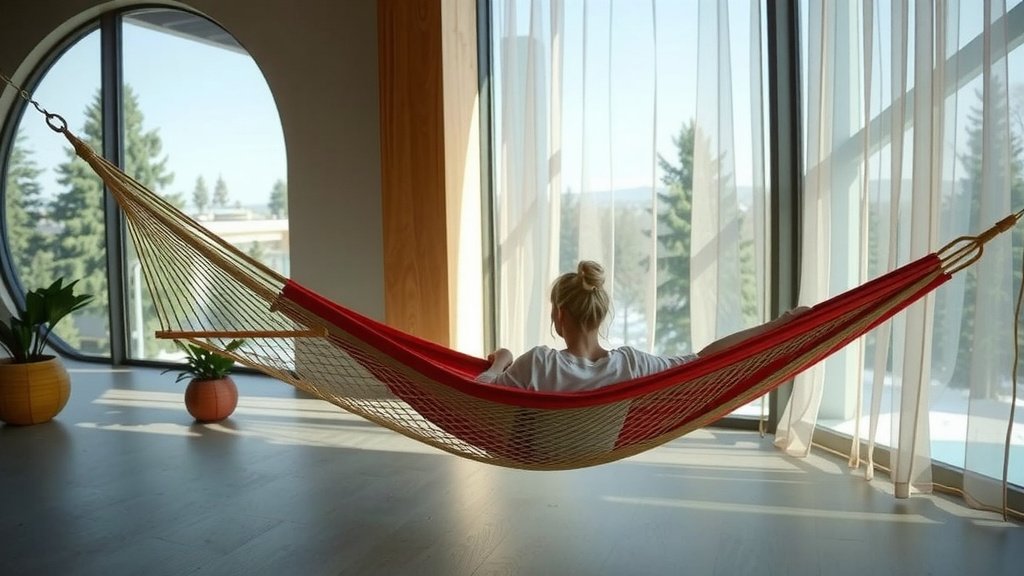
When you think about sleeping in a hammock, you might imagine a gentle sway. This motion can actually be quite soothing. It reminds some people of being rocked as a baby. This calming effect can help you relax and fall asleep faster. Many hammock sleepers report feeling more rested and refreshed in the morning.
Alleviating Back Pain
One of the most commonly cited benefits is relief from back pain. Traditional mattresses can sometimes put pressure on certain points of your body. This can lead to discomfort, especially for those with existing back issues. A hammock, when hung correctly, distributes your weight evenly. This reduces pressure points and can allow your spine to rest in a more neutral alignment. We found research suggesting that the gentle curve of a hammock can be more supportive than some flat surfaces.
Improved Sleep Quality
Beyond pain relief, many users report a noticeable improvement in their overall sleep quality. The feeling of being cradled can create a secure and cozy environment. This feeling of security can lead to deeper, more restorative sleep. Some studies suggest that the slight rocking motion may even enhance sleep stages. This means you spend more time in the crucial deep sleep and REM stages, which are vital for physical and mental recovery.
Choosing the Right Hammock for Daily Sleep
Not all hammocks are created equal, especially if you plan to sleep in one every night. You’ll want something built for comfort and support. Think of it like picking out a good mattress – you need the right features for long-term use. What works for a weekend camping trip might not be ideal for your primary bed.
Material Matters
The materials used in your hammock are important. Cotton hammocks are soft and breathable, which is great for warmer climates. However, they can stretch over time and aren’t always the most durable for constant use. Synthetic materials like nylon or polyester are often more resilient. They resist moisture and are generally more robust for everyday sleeping. We found that a durable, high-quality fabric is key for longevity.
Hammock Styles to Consider
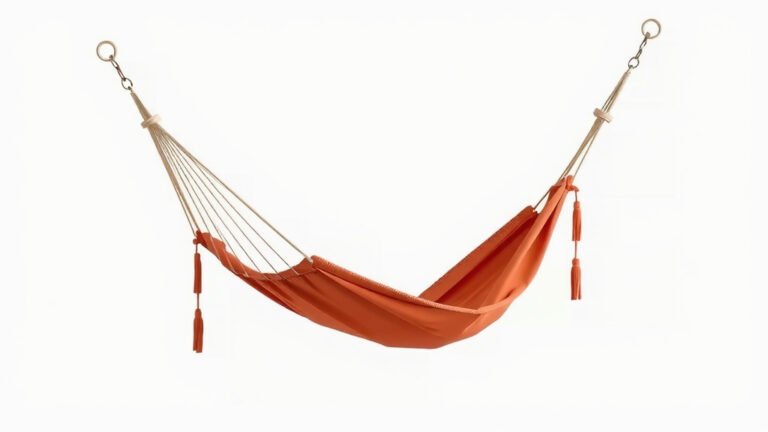
There are several types of hammocks suitable for sleeping. The Brazilian-style hammock is a popular choice. It’s a large piece of fabric that forms a deep, cozy cradle. This design offers excellent full-body support. Another option is the Mayan hammock. It’s made of tightly woven cotton and is known for its incredible comfort and breathability. These often provide a more customized fit to your body.
Here’s a quick look at some common styles:
- Brazilian Hammock: Large fabric, deep cradle, excellent comfort.
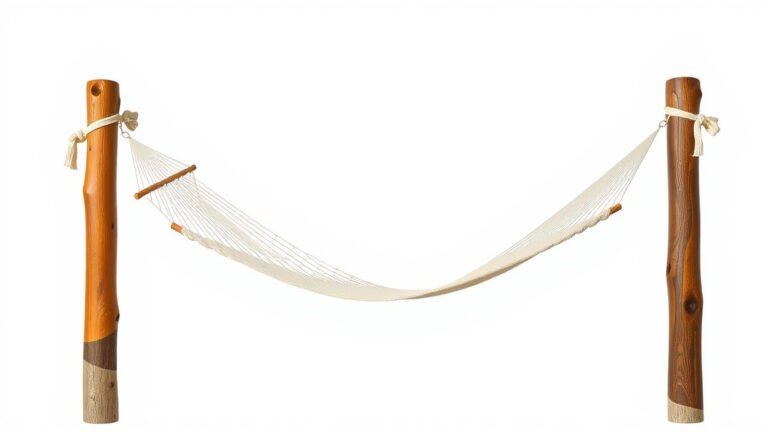
- Mayan Hammock: Woven cotton, breathable, molds to your body.
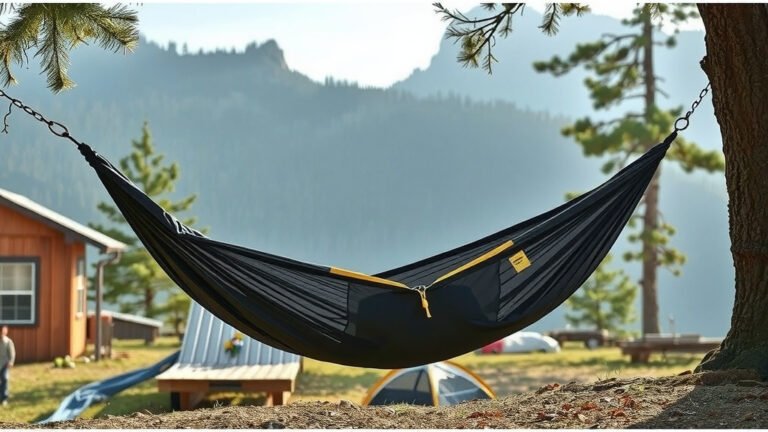
- Camping Hammocks: Often made of nylon, lightweight, durable, good for travel and everyday use.
The Importance of Size and Weight Capacity
Make sure the hammock you choose is large enough to comfortably lie down in. You’ll want to avoid feeling bunched up. Also, always check the weight capacity. It should be well within your needs to ensure safety and durability. A hammock that’s rated for a higher weight than you need will generally last longer.
Proper Hammock Setup for Nighttime Sleep
How you hang your hammock is just as important as the hammock itself. Poor setup can lead to discomfort or even an unsafe sleeping situation. Think of it like building a sturdy bed frame; everything needs to be just right.
The Ideal Angle and Sag
You don’t want your hammock to be strung up tightly like a guitar string. It needs a good amount of sag. The generally recommended angle is around 30 degrees. This allows you to lie diagonally across the hammock. Many hammock sleepers find this position to be the most comfortable. It keeps your body relatively flat and prevents that “banana effect” where you’re too curved. We found that a good amount of sag is essential for comfort Ensuring proper hammock sag is essential for achieving a comfortable and supportive sleeping position. and support.
Suspension Systems
Tree straps are highly recommended for hanging your hammock. They distribute the weight evenly and protect the trees. Avoid using rope that can dig into the bark and cause damage. Suspension kits often come with adjustable straps, carabiners, and a way to easily set up your hammock. Ensuring your anchor points are secure is paramount for a good night’s sleep.
Potential Challenges and How to Overcome Them
Switching to hammock sleeping isn’t always an instant success. There can be an adjustment period. Your body might need time to get used to the new sleeping position.
The Adjustment Phase
It might feel strange at first. You could wake up a few times during the night. Some people find they roll around more than usual. This is normal. Give yourself at least a week or two to get accustomed to it. Try to sleep in it as consistently as possible. This helps your body adapt more quickly.
Getting In and Out Gracefully
Learning to enter and exit your hammock without feeling like a circus performer takes practice. The trick is to sit down gently, then lean back. To get out, lean forward and place your feet firmly on the ground. Eventually, it becomes second nature. We found that a little patience goes a long way.
Physical Strain Considerations
While many find relief from back pain, some people might experience strain if the hammock is too tight or if they don’t use the correct diagonal sleeping position. Ensure your hammock has ample sag. If you have specific medical conditions, it’s always a good idea to consult with your doctor before making a major change to your sleeping setup. They can offer personalized advice.
Making Your Hammock a Comfortable Bed
You can make your hammock even more comfortable for nightly use. Think about adding layers and accessories to create your perfect sleep haven.
The Right Insulation
Hammocks can sometimes be cooler than beds because air circulates all around you. This is great in summer, but can be chilly in cooler weather. A sleeping pad can add significant insulation and comfort. Many hammock-specific underquilts are available. These attach to the outside of your hammock and provide a cozy layer of warmth. We found that proper insulation is key to year-round comfort.
Pillows and Bedding
Don’t forget your pillow! A good pillow that supports your neck is still important. You might find that a slightly different pillow works best in a hammock compared to a bed. Use your regular blankets, or consider a sleeping bag if you need extra warmth and coziness.
Here’s a quick checklist to ensure your hammock setup is ready:
- Check hammock material for durability.
- Confirm weight capacity is sufficient.
- Use wide tree straps for hanging.
- Ensure proper hammock sag (around 30 degrees).
- Consider an underquilt for warmth in cooler temps.
- Test your setup for comfort and stability before bedtime.
Conclusion
So, can you sleep in a hammock every night? The answer is a resounding yes, and it can be a fantastic choice for your sleep health. We’ve seen how hammocks can offer comfort, potentially ease back pain, and even improve your sleep quality thanks to their unique cradling motion. Remember, the key to success lies in choosing the right hammock material and style, and setting it up with the proper sag and secure suspension. Don’t be discouraged by an initial adjustment period; your body will likely adapt quickly. Ready to give it a try? Start by researching a comfortable, durable hammock and setting it up correctly for your first night.
Frequently Asked Questions
How long does it take to get used to sleeping in a hammock every night?
Most people find they adjust to hammock sleeping within a week or two. Initially, you might feel a bit unfamiliar with the sensation. However, with consistent nightly use, your body typically adapts quite quickly to the new sleeping position.
Can sleeping in a hammock every night actually help my back pain?
Yes, for many individuals, hammock sleeping can help alleviate back pain. When hung correctly with adequate sag, a hammock distributes your body weight evenly. This reduces pressure points on your spine and can promote a more neutral alignment than some traditional mattresses.
What type of hammock is best for sleeping every night?
For nightly sleeping, Brazilian or Mayan style hammocks are excellent choices. These are typically made from durable, woven fabric that molds to your body. Look for materials like strong nylon or tightly woven cotton that offer both comfort and support for long-term use.
Is it bad for my health to sleep in a hammock every night?
Generally, no. For most healthy individuals, sleeping in a hammock every night is not harmful and can even be beneficial. However, if you have specific medical conditions or concerns, it’s always wise to consult with your doctor for personalized advice before making the switch.
How do I prevent feeling cold when sleeping in a hammock all night?
Hammocks can be cooler because air circulates underneath. To stay warm, especially in cooler weather, consider using a sleeping pad or an underquilt. These accessories provide essential insulation and create a cozy barrier against the chill for a comfortable night’s sleep.