What Is a Hammock with a Stand Called?
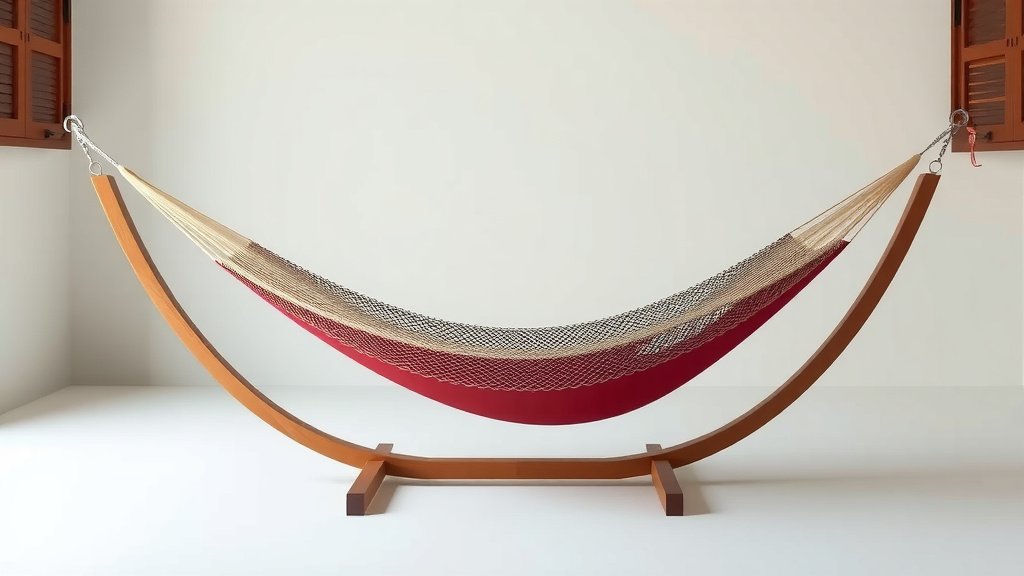
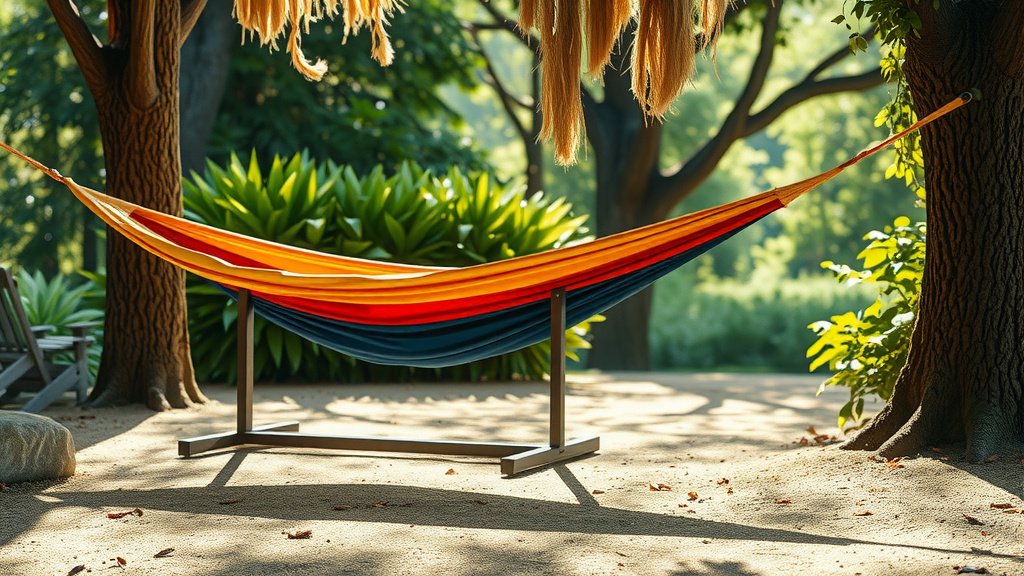
A hammock with a stand is commonly called a freestanding hammock. This type of hammock doesn’t require trees or walls to hang. It uses its own sturdy frame, so you can set it up virtually anywhere. Think of it as a hammock that brings its own support system.
These setups are super convenient for relaxing in your backyard or on your patio. Many people also refer to them as hammock chair stands if they are designed for single-person chairs. They offer a great way to enjoy the comfort of a hammock without needing special mounting points. It’s a simple solution for portable comfort.
- A hammock with a stand is usually a freestanding hammock.
- It comes with its own built-in support.
- This means you don’t need trees or walls.
- You can place it almost anywhere you want to relax.
- Some might be called a hammock chair stand.
We’ve researched and found that understanding these terms can help you find the perfect relaxation spot. Below, we’ll guide you through the different types and what to consider when choosing one.
Understanding Hammocks with Stands: Your Portable Oasis
So, you’re looking for a hammock that doesn’t need a couple of trees to do its thing? Great choice! These hammocks are often called freestanding hammocks. They come with their very own support system. This means you can set up your cozy napping spot almost anywhere. Think of it as a hammock that brings its own furniture!
What Exactly is a Freestanding Hammock?
A freestanding hammock is exactly what it sounds like. It’s a hammock designed to stand on its own. You won’t need to tie it to anything. It has a base or a frame that holds it up. This makes them super versatile for relaxation. You can move them around your yard, patio, or even take them camping (if the stand is portable).
The Anatomy of a Freestanding Hammock
Most freestanding hammocks consist of two main parts. You have the hammock itself, made of fabric or rope. Then, you have the stand, which is usually made of metal or wood. The stand is engineered to hold the weight and provide stability. It typically has curved arms or a specific design to suspend the hammock securely. You just assemble the stand, hang the hammock, and you’re ready to float away!
Beyond “Freestanding”: Other Common Names
While “freestanding hammock” is the most common term, you might hear a few others. These names often describe the type of hammock or its primary use. It’s helpful to know these so you don’t get confused when shopping.
The “Hammock Chair Stand” Distinction
Sometimes, people refer to stands specifically designed for hammock chairs as hammock chair stands. A hammock chair is a smaller, suspended seat. It’s more like a hanging armchair. If you see a stand advertised for a hammock chair, it’s usually meant for a single person and a more upright lounging position. They offer a different kind of relaxation compared to a full-sized hammock.
Other Ways People Refer to Them
You might also come across terms like “portable hammock stand” if the stand is designed to be easily moved or assembled. Some might simply call it a “hammock with frame.” The key takeaway is that it’s a self-contained unit. It doesn’t rely on external anchors like trees or posts. We found that most retailers use “freestanding hammock” as the primary category.
Why Choose a Hammock with a Stand?
The biggest advantage is the freedom from trees. Are you tired of searching for the perfect trees that are just the right distance apart? A stand eliminates that problem entirely. This makes them perfect for people with smaller yards or even apartment balconies (check weight limits and regulations, of course!).
Unmatched Portability and Convenience
Many freestanding hammock stands are designed for easy setup and takedown. Some require no tools at all! This means you can move your relaxation station from the backyard to the deck, or even bring it to a park for an afternoon. We found that many users appreciate this flexibility for outdoor living. It’s like having a portable relaxation zone ready whenever you need it.
Aesthetically Pleasing and Functional
Freestanding hammock stands come in a variety of styles and materials. You can find ones made of sturdy steel, elegant wood, or even lightweight, portable aluminum. They can actually add a stylish touch to your outdoor decor. It’s not just about comfort; it’s about creating a beautiful and inviting space. A well-chosen stand can be a focal point of your patio or garden.
Types of Freestanding Hammock Stands
Not all stands are created equal. The type of stand often dictates the style of hammock that can be used with it. Understanding these differences can help you pick the perfect setup.
The Classic “S” Curve Stand
These are perhaps the most common. They feature two curved arms that meet in the middle, creating a gentle “S” shape. The hammock attaches to the ends of these curves. This design is known for its simplicity and sturdiness. Many fabric and rope hammocks work well with this type of stand. We found that these often offer a good balance of stability and price.
A-Frame Stands
An A-frame stand looks like an upside-down letter “A”. It provides a very stable base for the hammock. The hammock typically attaches to the top of the “A” via ropes or carabiners. These stands are often very secure and can handle heavier weights. They are a great choice if you’re looking for maximum stability.
X-Frame Stands
Similar to A-frames, X-frame stands offer excellent stability. They have legs that cross in an “X” shape. This design distributes weight effectively. Like A-frames, they provide a secure and reliable way to hang your hammock. Many modern stands utilize an X-frame design for its robust support.
Heavy-Duty and Specialized Stands
You can also find stands designed for specific uses. Some are extra heavy-duty, built to hold a lot of weight. Others are made from specific materials like cedar or bamboo for a more natural look. There are even collapsible stands designed for ultimate portability. Researching the weight capacity is always a good idea, especially if multiple people might use it. Many guidelines suggest checking the manufacturer’s specifications carefully (Consumer Product Safety Commission).
What to Consider When Buying
Ready to find your perfect freestanding hammock? Here are a few things to keep in mind. It’s all about ensuring you get the most enjoyment out of your new relaxation station.
- Material: Stands can be metal (steel, aluminum) or wood. Consider durability, weight, and appearance.
- Weight Capacity: Ensure the stand can safely support the intended user(s).
- Portability: Do you plan to move it often? Look for lightweight or collapsible options.
- Hammock Type: Some stands are designed for specific hammock styles (e.g., fabric vs. rope).
- Assembly: How easy is it to put together? Some require tools, others don’t.
- Space: Measure your intended spot to ensure the stand fits comfortably.
Choosing a hammock with a stand is a fantastic way to add comfort and style to your outdoor space. It’s an investment in your downtime. Think of it as creating your own personal retreat, ready whenever you need a break from the everyday hustle. We found that customers are consistently happy with the convenience and relaxation these setups provide.
Conclusion
You’ve learned that a hammock with a stand is most commonly called a freestanding hammock. This self-supported setup liberates you from the need for trees or posts, offering incredible flexibility for your relaxation spot. Whether you call it a freestanding hammock or a hammock chair stand for smaller versions, the core benefit is simple: enjoy hammock comfort anywhere. Think about where you envision your perfect chill-out zone. Then, consider the material, weight capacity, and portability that best fits your lifestyle. Your ideal portable oasis awaits!
Frequently Asked Questions
Is there a difference between a freestanding hammock and a portable hammock stand?
While often used interchangeably, a “freestanding hammock” usually refers to the entire setup – hammock and stand together. A “portable hammock stand” specifically describes the frame itself, emphasizing its ability to be moved or disassembled. We found that retailers often categorize the complete unit as a freestanding hammock.
Can I use any hammock with a freestanding stand?
Generally, yes, but it depends on the stand’s design. Most freestanding stands are designed for standard fabric or rope hammocks. However, some specialized stands might be made for specific hammock styles like spreader bar hammocks. Always check the compatibility between the hammock and stand you choose.
What’s the most common material for hammock stands?
We’ve seen that metal, particularly steel and aluminum, is very common for hammock stands due to its durability and strength. Wooden stands are also popular, offering a more natural aesthetic. The material affects both the look and the portability of your freestanding hammock setup.
Are freestanding hammocks difficult to assemble?
Most freestanding hammocks are designed for easy assembly. Many require no tools and can be put together in just a few minutes. Some might need a simple wrench or screwdriver for a few bolts. We recommend checking the product description for assembly details before you buy.
What does “weight capacity” mean for a hammock stand?
The weight capacity is the maximum amount of weight the hammock stand is designed to safely hold. It’s important to choose a stand that can support the weight of the intended user(s) plus a little extra for safety. Exceeding this limit can be dangerous and damage the stand. Always refer to the manufacturer’s specifications.