
Best Hammocks for Heavy People: Top Picks 2026
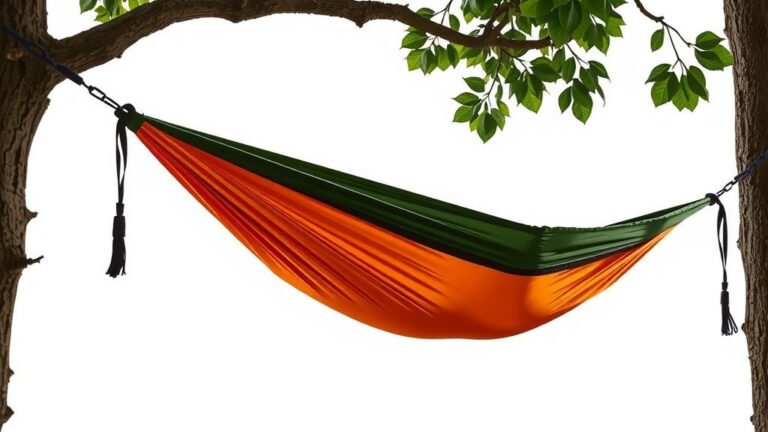
Finding the best hammock for heavy people means looking for strong, supportive designs. You need hammocks made with durable materials and a high weight capacity. Some brands are specifically engineered to hold more weight safely. Your comfort and safety are the top priorities here.
It’s not just about weight capacity, though. We found that the size and design of the hammock also play a big role. Hammocks with wider spans and reinforced stitching often provide better stability. Many users report that a larger surface area distributes weight more evenly. This makes for a much more relaxing experience.
- Focus on weight capacity and sturdy materials.
- Wider hammocks offer better weight distribution.
- Look for reinforced stitching and strong suspension.
- Consider specialized hammocks for heavier users.
- Read reviews from other heavier individuals.
Let’s dive into what makes a hammock truly suitable for heavier individuals, so you can pick the perfect one.
Choosing the Right Hammock for Heavier Individuals
Finding the perfect hammock when you’re on the heavier side isn’t about settling. It’s about finding a hammock that’s built to last and keep you safe and comfortable. You want a hammock that can handle your weight without feeling strained. This means looking closely at the materials, construction, and the stated weight limit.
It’s understandable to feel a bit hesitant. Will it hold? Will it break? We’ve researched this extensively to help you feel confident. The good news is that many manufacturers design hammocks with robust features specifically for those who need a bit more support. Your relaxation shouldn’t come with a side of worry.
Key Features to Look For
When you’re searching for a hammock that can comfortably support a higher weight, a few specific features stand out. These are the non-negotiables that ensure your hammock is both safe and enjoyable. Think of them as your checklist for hammock success.
Weight Capacity is King
This is the most critical factor, no question. Always check the maximum weight capacity listed by the manufacturer. For heavier individuals, it’s wise to aim for a hammock with a weight limit significantly higher than your own weight. This provides a safety margin.
Many standard hammocks are designed for people around 200-250 pounds. If you weigh more than that, you’ll need to specifically seek out hammocks rated for 300, 400, or even 500 pounds. This isn’t just about preventing a collapse; it’s also about comfort. A hammock that’s under less strain will feel more secure and supportive.
Material Matters for Strength
The fabric of your hammock plays a huge role in its durability and weight-bearing ability. You want materials that are known for their strength and resilience.
Durable Fabrics Explained
Ripstop nylon is a popular choice because it’s lightweight yet incredibly strong. It’s woven with a special reinforcing technique that makes it resistant to tearing. If a small rip does occur, it won’t spread easily. This is a fantastic material for longevity and safety.
Polyester is another robust option. It’s known for its resistance to stretching and wear. Hammocks made from heavier-duty polyester blends can offer excellent support. Some hammocks use a combination of materials to achieve the best balance of strength, comfort, and weather resistance. We found that a tight weave indicates higher quality fabric.
Construction and Reinforcement
Beyond the fabric itself, how the hammock is constructed is just as important. Look for features that indicate reinforced stress points.
Stitching and Seams
Examine the stitching. Triple-stitched seams are a sign of superior construction. This means that the critical seams, where the fabric is joined and where suspension loops are attached, have been sewn three times. This distributes the stress more evenly. You’ll often see this on hammocks designed for rugged use.
Suspension System Strength
Don’t forget the suspension! The straps, carabiners, and any included ropes need to be just as strong as the hammock body. Many heavy-duty hammocks come with wide, reinforced suspension straps made from materials like polyester webbing. These are designed to distribute pressure over a larger surface area, reducing the risk of snapping or cutting into trees. Many experts recommend carabiners rated for at least 500 pounds for added security (National Park Service).
Types of Hammocks Suitable for Heavier People
Not all hammocks are created equal, especially when it comes to weight capacity. Some designs are inherently better suited for carrying more weight.
Spreader Bar Hammocks vs. Camping Hammocks
Spreader bar hammocks often have a more stable, couch-like feel. They use wooden or metal bars at each end to keep the fabric spread open. This design can distribute weight more evenly across the fabric. However, the bars themselves can be a point of failure if not constructed robustly. They are generally better for lounging in one spot.
Camping hammocks, often made of parachute nylon, are designed for portability and strength. When set up correctly, they can conform to your body, distributing weight effectively. Many camping hammocks are available in extra-wide and extra-long sizes, which are ideal for heavier individuals seeking more surface area and support.
Specialty Hammocks for Larger Individuals
Some brands focus on creating hammocks specifically for larger users. These hammocks often have the highest weight ratings and are built with extra-durable materials and reinforced stitching from the ground up. They might also be larger in overall dimensions. When researching, look for terms like “heavy-duty,” “XXL,” or “plus-size” in product descriptions.
What to Avoid
There are certain hammock types and features that you should probably steer clear of if you need significant weight support.
Thin, Lightweight Materials
Hammocks made from very thin, lightweight parachute nylon might not be the best choice if they don’t explicitly state a high weight capacity. While ripstop nylon is strong, the thread count and weave density still matter. A thinner fabric might stretch more or wear out faster under heavier loads.
Basic Rope or Thin Cord Suspension
Hammocks that come with thin, basic rope for suspension might not be sufficient. These ropes can dig into trees, fray more easily, and may not have the tensile strength needed for higher weights. Always opt for wider, flatter straps or heavy-duty rope specifically designed for hammock suspension.

Reading Reviews for Confidence
Don’t underestimate the power of other users’ experiences. When you’re looking at hammocks, actively seek out reviews from people who share similar body types or weight requirements.
Reviews can offer real-world insights into how a hammock performs over time. Look for comments about comfort, durability, and how the hammock held up under consistent use. Did it stretch excessively? Did it feel secure? These details are gold. Many reviews will mention if the hammock exceeded their expectations for supporting a heavier weight.
Where to Find Honest Feedback
Check product pages on retailer websites, but also look at independent review sites and forums dedicated to outdoor gear or hammock enthusiasts. Sometimes, people will create videos demonstrating the strength of a hammock. We found that communities online are often very helpful in sharing these experiences.
Making Your Choice: A Quick Checklist
To help you narrow down your options, here’s a quick checklist of the most important things to consider:
- Weight Capacity: Ensure it’s significantly higher than your body weight.
- Fabric Strength: Look for ripstop nylon or heavy-duty polyester.
- Reinforced Stitching: Triple-stitched seams are a great sign.
- Suspension System: Opt for wide, strong straps and reliable hardware.
- Hammock Size: Wider and longer often means better weight distribution.
- User Reviews: Prioritize feedback from heavier individuals.
Conclusion
Finding the best hammock for your needs is all about prioritizing strength and comfort. You’ve learned that weight capacity, durable materials like ripstop nylon, and reinforced construction are key. Don’t forget to check the suspension system and look for wider, longer designs. By focusing on these features and trusting real user reviews, you can confidently choose a hammock that offers safe and relaxing support. Your perfect hang awaits!
Frequently Asked Questions
How much extra weight capacity should I look for in a hammock?
It’s smart to aim for a hammock with a weight limit well above your own. We recommend choosing one rated at least 50-100 pounds more than your body weight. This provides a necessary safety margin and ensures the hammock won’t feel strained.
Are spreader bar hammocks a good choice for heavier people?
Spreader bar hammocks can offer a stable, open feel, which some heavier individuals prefer. However, the bars themselves need to be robust, and the fabric must be strong. We found that while they can distribute weight well, camping-style hammocks with high weight ratings often offer more reliable support.
Can a standard parachute hammock hold more weight if it’s just a bit bigger?
While a larger surface area helps with weight distribution, size alone isn’t enough. You must check the hammock’s explicit weight capacity rating. A bigger hammock made with standard materials might still fail if not designed for heavier loads. Always prioritize the stated weight limit over just the dimensions.
What’s the difference between polyester and ripstop nylon for heavy-duty hammocks?
Both materials can be strong, but ripstop nylon is known for its exceptional strength-to-weight ratio and tear resistance. Polyester is very durable and resistant to stretching. For heavy-duty use, look for a tight weave in either material, often combined with reinforced stitching.
Should I always buy a hammock specifically labeled “for heavy people”?
Not necessarily, but it’s a good starting point. Hammocks labeled “heavy-duty” or “XXL” are often designed with higher weight capacities in mind. However, many standard camping hammocks from reputable brands also offer excellent strength if you check their specifications and reviews carefully.