

How to Wash a Rope Hammock: Easy Cleaning Guide
Yes, you can absolutely wash a rope hammock to keep it looking and feeling great. The key is to use a gentle cleaning solution and allow it to air dry completely. This simple process will help remove dirt and mildew, making your hammock ready for relaxation again.
Over time, your hammock can collect dust, pollen, and maybe even a little mildew. Regular cleaning not only makes it look better but also extends its lifespan. Many people wonder if they can just toss it in the washing machine, but that’s often not the best approach for preserving the fabric and its structure.
- Check hammock care tags first.
- Use mild soap and water.
- Avoid harsh chemicals or bleach.
- Rinse thoroughly to remove all soap.
- Air dry completely, out of direct sun.
Ready to give your hammock a refresh? Let’s walk through exactly how to wash it step by step, ensuring it stays comfortable and durable for all your lounging needs.
Keeping Your Rope Hammock Clean and Cozy
Your rope hammock is a spot for pure relaxation. But what happens when it starts to look a little less than perfect? Dust, pollen, and even mildew can creep in. Don’t worry, cleaning your rope hammock is totally doable! We’ll guide you through the best way to wash it. This will help it last longer and keep it smelling fresh for all your lazy afternoons.
Assessing Your Hammock’s Needs
Before you grab any cleaning supplies, it’s important to take a good look at your hammock. Is it just a bit dusty, or are there noticeable spots of mildew? This will help you decide how much attention it needs. Most rope hammocks are pretty sturdy, but some materials might need a gentler touch.
Checking the Care Tag is Your First Step
The absolute best place to start is with the hammock’s care tag. Manufacturers usually include specific instructions there. They know their product best. If you can find that little tag, follow its advice closely. It might save you a lot of guesswork.
Understanding Hammock Materials
What is your hammock made of? This really matters for cleaning. Most rope hammocks are made from cotton, polyester, or acrylic.
- Cotton is soft and comfortable but can be prone to mildew and takes longer to dry. It needs a gentler approach.
- Polyester is more durable and resistant to mildew. It can handle a bit more vigorous cleaning.
- Acrylic fabrics, like those used in outdoor furniture, are often the easiest to clean. They resist fading and mildew well.
If you don’t have a tag, or it’s faded, don’t fret. We can go with a general approach that works for most common hammock materials.
Gathering Your Cleaning Supplies
You don’t need a lot of fancy stuff for this job. Simple, everyday items work wonders. Having everything ready before you start makes the process much smoother. Think of it like prepping for a recipe; you want all your ingredients measured and ready.
Essential Items for Cleaning
Here’s what you’ll likely need:
- A bucket or large basin
- Mild liquid soap (like dish soap or a gentle laundry detergent)
- A soft brush or sponge
- A garden hose with a spray nozzle
- Clean water
- A dry towel or two
We want to be gentle with the hammock’s fibers. Harsh chemicals can damage them. Many experts suggest avoiding bleach unless absolutely necessary for tough mildew stains. Bleach can weaken fibers over time (Good Housekeeping).
What to Avoid Using
It’s just as important to know what not to use. Abrasive cleaners or stiff brushes can snag or break the ropes. Strong chemicals can strip away protective coatings or cause discoloration. Stick to mild options to keep your hammock in good shape.
The Step-by-Step Washing Process
Now for the main event! We’ll tackle this in a way that’s effective but also kind to your hammock. Let’s get it clean and ready for lounging.
Step 1: Detach and Inspect
First, remove the hammock from its stand or hanging hooks. Lay it out flat on a clean surface. This could be your lawn, a patio, or even a large tarp. Doing this gives you a clear view of the entire hammock. You can spot any particularly dirty areas or stubborn spots.
Step 2: Pre-Rinse to Remove Loose Debris
Use your garden hose to give the hammock a good rinse. Spray it down thoroughly. This will wash away loose dirt, dust, and any cobwebs. Get into all the nooks and crannies. A good initial rinse makes the soap and water treatment more effective.
Step 3: Prepare Your Gentle Cleaning Solution
In your bucket, mix a small amount of mild liquid soap with warm water. You don’t need a lot of suds. About a tablespoon of soap for a gallon of water is usually enough. You want a light, soapy solution. Too much soap is hard to rinse out later.
Step 4: Gently Scrub the Hammock
Dip your soft brush or sponge into the soapy water. Gently scrub the surface of the hammock. Work in small sections. Focus on any stained or dingy areas. For tougher spots, you might need to apply a little more pressure. Remember, be kind to the ropes!
Step 5: Rinse, Rinse, and Rinse Again
This is a critical step. Use your hose to rinse the hammock thoroughly. You need to get all the soap residue out. If you leave soap behind, it can attract dirt and may even cause mildew to return faster. Keep rinsing until the water runs clear and you don’t see any more suds.
Step 6: Air Dry Completely
Once it’s thoroughly rinsed, let the hammock drip dry for a bit. Then, re-hang it or lay it out in a well-ventilated area. A gentle breeze is your best friend here. Crucially, avoid direct, harsh sunlight for extended periods. Sunlight can fade colors and degrade certain materials over time. We found that rotating or moving it periodically helps ensure even drying.
Allow it to air dry completely. This can take 24 hours or even longer, depending on humidity and temperature. Make sure it’s bone dry before storing or using it again. Dampness is mildew’s favorite playground.
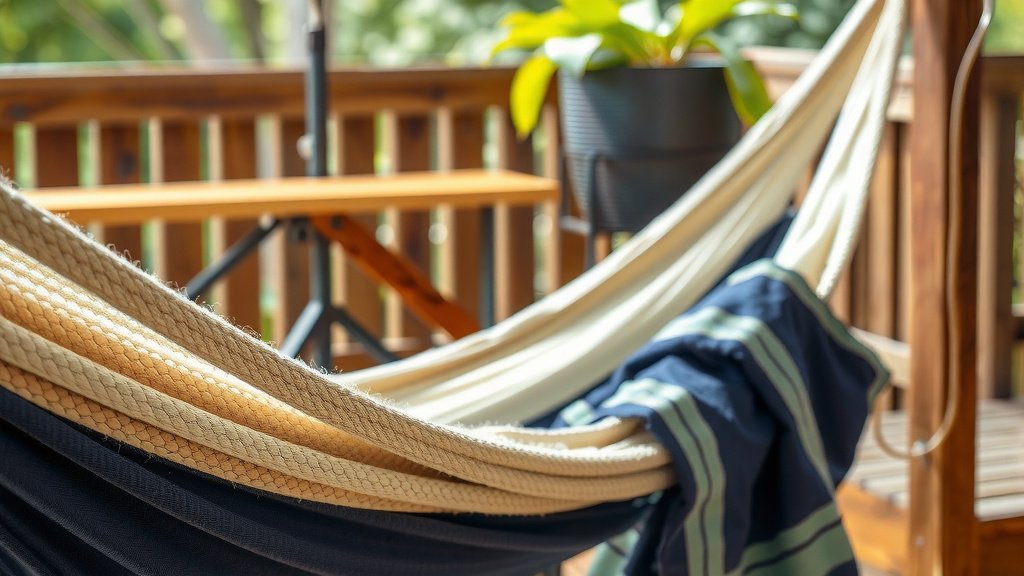
Tackling Stubborn Stains and Mildew
Sometimes, you’ll encounter a stain that just won’t budge with the standard wash. Mildew spots can be particularly persistent. Don’t despair; there are a few extra steps you can take.
Using a Vinegar Solution for Mildew
For mildew or stubborn spots, a solution of equal parts white vinegar and water can be very effective. Many cleaning guides suggest vinegar because its acidity helps kill mold and mildew spores (Environmental Protection Agency).
Apply this solution to the affected areas with a sponge. Let it sit for about 15-30 minutes. Then, scrub gently and rinse the hammock thoroughly as before. Remember to test this solution on an inconspicuous spot first, just in case.
When to Consider Professional Cleaning or Replacement
If your hammock is extremely old, heavily damaged, or has extensive mildew that just won’t come out, it might be time to consider replacing it. A hammock that’s falling apart isn’t safe for lounging. If it’s a very valuable or antique piece, you might consult a professional upholstery cleaner who specializes in outdoor fabrics.
Quick Hammock Cleaning Checklist
Here’s a quick recap to make sure you don’t miss a step:
- Check the care tag first.
- Gather mild soap, a soft brush, and a hose.
- Rinse off loose dirt.
- Wash gently with soapy water.
- Rinse out all soap thoroughly.
- Air dry completely away from harsh sun.
Conclusion
You’ve got this! Washing your rope hammock doesn’t have to be a chore. By following these simple steps, you can easily remove dirt and mildew. You’ll keep your hammock looking great and feeling comfortable for many more relaxing afternoons. Remember to always check the care tag first. Use mild soap and water, and be sure to rinse thoroughly. Most importantly, let it air dry completely away from harsh sun.
Ready to enjoy your refreshed hammock? Go ahead and give it a good wash this weekend!
Frequently Asked Questions
Can I wash my rope hammock in a washing machine?
While some smaller, tightly woven hammocks might be machine washable, most rope hammocks are not. The agitation and spin cycles can damage the ropes and stitching. It’s generally safer to clean them by hand to preserve their structure.
How often should I wash my rope hammock?
You don’t need to wash your hammock after every use. Aim to give it a good cleaning at least once or twice a season, or whenever you notice it’s looking dusty or has visible spots. A quick spot clean can handle minor spills between full washes.
What’s the best way to dry a hammock after washing?
The best method is to let it air dry completely. Re-hang it or spread it out in a well-ventilated area with a gentle breeze. Make sure it’s bone dry before using it or storing it to prevent mildew growth.
My hammock has a musty smell. How can I get rid of it?
A musty smell often indicates mildew. Wash your hammock using a mild soap solution, and consider a soak with a 1:1 white vinegar and water mixture on affected areas before rinsing. Ensuring it dries thoroughly is key to preventing the smell from returning.
Can I use bleach on my rope hammock?
It’s best to avoid bleach if possible. While it can tackle tough mildew, bleach can weaken hammock fibers over time and cause fading. If you must use it for stubborn spots, dilute it heavily and rinse extremely well, testing on an inconspicuous area first.