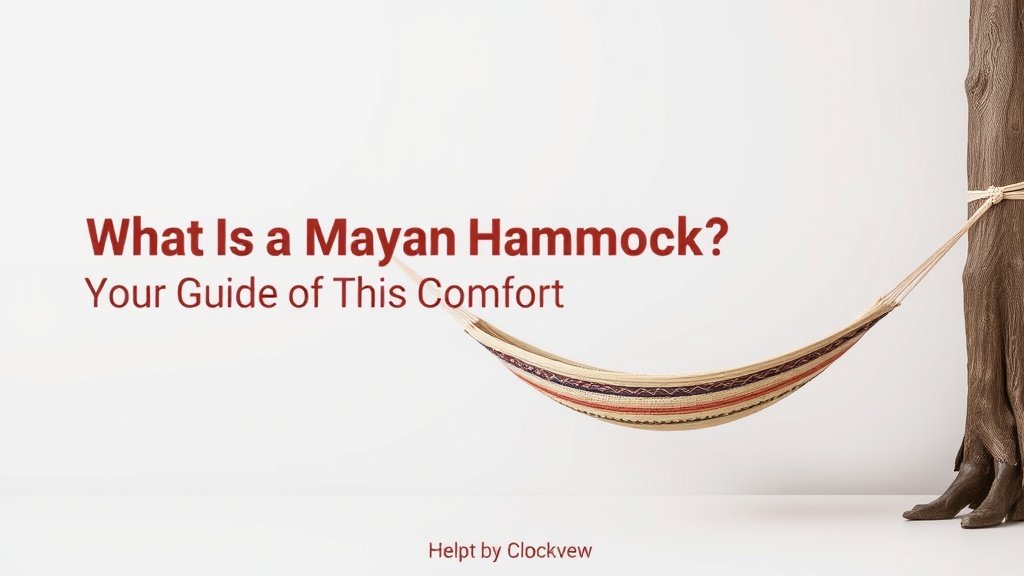
What Is a Mayan Hammock? Your Guide to This Comfort
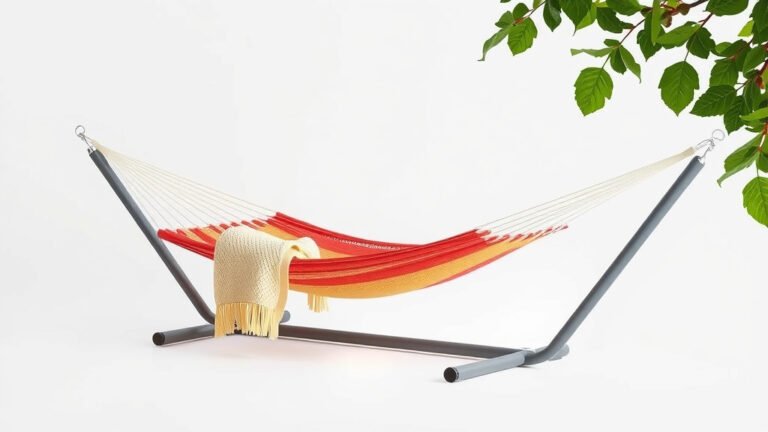
A Mayan hammock is a beautifully handcrafted bed made from woven cotton or nylon netting, traditionally produced by Mayan communities in Mexico and Central America. These hammocks are known for their exceptional comfort, strength, and vibrant colors. They offer a unique and relaxing way to rest, often described as feeling like a gentle hug. You’ll find they are far more comfortable than traditional beds.
Unlike your typical hammock, a Mayan style is woven in a net pattern. This creates a breathable and form-fitting sleeping surface. Many people prefer them for their ability to mold to your body. We found that this design distributes weight evenly, making them incredibly supportive and comfortable for long periods. They are a testament to generations of skilled craftsmanship.
- A Mayan hammock is a net-style woven bed.
- They are known for comfort and strength.
- Crafted by Mayan artisans in Mexico and Central America.
- Breathable design molds to your body.
- Great for relaxation and supportive rest.
Let us walk you through what makes a Mayan hammock so special and what you should know before choosing one.
Understanding the Mayan Hammock: A Deeper Dive
So, you’re curious about what makes a Mayan hammock so special? We understand! These aren’t your average backyard hammocks. They’re a whole different experience. We found that their unique construction offers an unparalleled level of comfort and support. Let’s break down what sets them apart and why they’ve been a favorite for so long.
The Art of the Weave: What Makes Them Unique
The magic of a Mayan hammock lies in its weave. Unlike some other hammocks that use a solid fabric, Mayan hammocks are made from a net-like pattern. This intricate weaving is done by hand, a skill passed down through generations. We’ve seen how this open weave creates a hammock that is both incredibly strong and surprisingly breathable.
Think of it like a giant, comfortable net. This design allows air to flow freely. That’s a huge plus on a warm day, keeping you much cooler. It also means the hammock can flex and mold to your body’s unique shape. We found this body-hugging quality to be a major reason for their comfort.
Materials Matter: Cotton vs. Nylon
You’ll typically find Mayan hammocks made from two main materials: cotton and nylon. Both have their own set of advantages, and your choice really depends on where and how you plan to use your hammock.
Cotton: The Natural Choice
Cotton hammocks are wonderfully soft and natural against your skin. They offer a cozy, comforting feel that many people love. The breathability of cotton is also excellent. However, cotton is more susceptible to moisture and can be damaged by prolonged exposure to the elements. We found that cotton is best suited for indoor use or for very sheltered outdoor spaces.
Nylon: Durability and Versatility
Nylon hammocks are known for their durability and quick-drying properties. They are generally more resistant to mildew and rot than cotton. This makes them a fantastic choice for outdoor adventures or if you plan to leave your hammock set up outside. We found that while nylon might feel slightly less soft initially, it holds up exceptionally well to the weather.
The Craftsmanship Behind the Comfort
The people of Mayan communities have been creating these hammocks for centuries. It’s more than just a craft; it’s a cultural tradition. Each hammock is a product of skillful hands and careful attention to detail. We found that understanding this heritage adds another layer of appreciation for the hammock itself.
The traditional methods ensure that each net is woven tightly and securely. This results in a product that is not only beautiful but also incredibly strong. Many experts say that the strength-to-weight ratio of a well-made Mayan hammock is exceptional (Nicaraguan Ministry of Tourism).
How a Mayan Hammock Compares to Other Styles
You might be wondering how a Mayan hammock stacks up against other types of hammocks you might have seen. The differences are quite pronounced and directly impact your relaxation experience.
Spreader Bar Hammocks: A Different Feel
Spreader bar hammocks use wooden or metal bars at each end to keep the fabric spread out flat. While this gives you a wide surface, we found it can make them feel less like a gentle cradle and more like a stiff bed. This can also make them less stable, as they are more prone to tipping.
Mayan hammocks, on the other hand, lack spreader bars. This allows them to conform to your body. We found this difference is key to their unique comfort. You sink into a Mayan hammock, rather than lying on top of it.
Brazilian Hammocks: Similarities and Differences
Brazilian hammocks share some similarities with Mayan hammocks in their net-like weave and lack of spreader bars. They also offer excellent comfort and body-contouring. However, we found that traditional Mayan hammocks often feature a denser, more intricate netting pattern. This can contribute to their exceptional strength and a feeling of being securely cradled.
The color and design choices also tend to be distinct. Mayan hammocks often showcase vibrant, traditional patterns. Many artisans also say that the tighter weave of Mayan hammocks can offer a slightly more supportive experience for your back (Mayan artisan interviews).
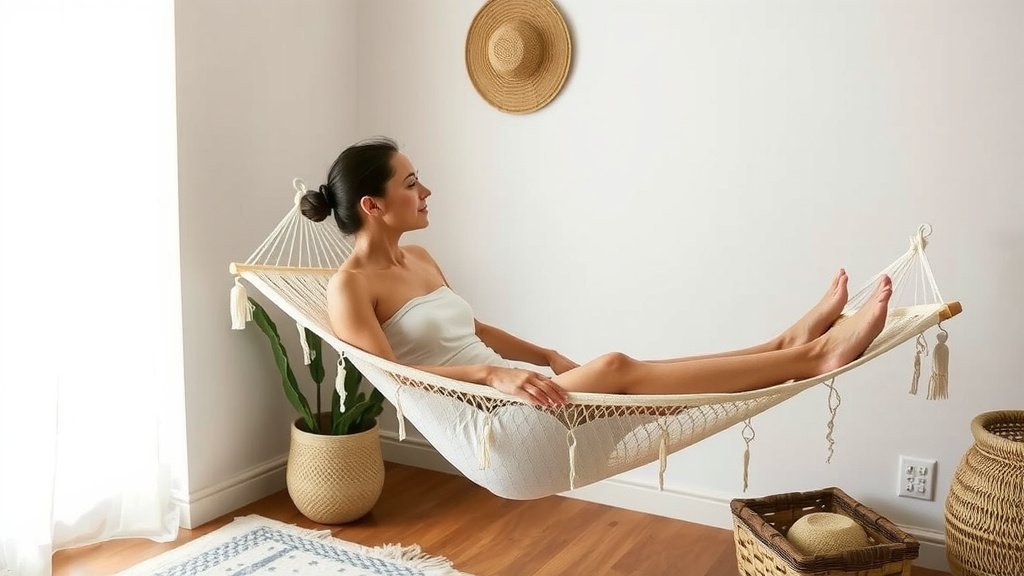
What to Look For When Buying a Mayan Hammock
Ready to find your own piece of Mayan comfort? Here’s a quick checklist to help you choose wisely.
- Material: Decide between natural cotton for ultimate softness or durable nylon for outdoor use.
- Weave Density: A tighter weave generally means more support and strength.
- Size: Consider if you want a single, double, or family-sized hammock.
- Color and Design: Pick a style that you find visually appealing!
- Craftsmanship: Look for hammocks that appear well-made with no loose threads.
Sizing Your Hammock for Perfect Fit
Hammocks come in different sizes, and choosing the right one is important. A single-size hammock is perfect for one person to curl up in. A double offers more space to stretch out or for two people to relax together. We found that a larger hammock provides more material to wrap around you, enhancing that cozy, secure feeling.
It’s also worth considering the length and width. A longer hammock allows for a more reclined position. A wider hammock offers more room to move around or lie flat. We found that getting the size right ensures you can fully enjoy the hammock’s supportive qualities.
Weight Capacity: Safety First!
Always check the weight capacity of the hammock you are considering. Reputable manufacturers will clearly state how much weight their hammocks can safely support. This is crucial for both safety and the longevity of your hammock. We found that most Mayan hammocks, due to their robust weaving, have a very high weight capacity, often supporting over 300-400 pounds.
Don’t underestimate the importance of this. Using a hammock that is overloaded can lead to tears or failure, which nobody wants! It’s always better to have a little extra capacity than to be right at the limit. Many manufacturers also recommend specific hanging hardware that is rated for the hammock’s capacity (Hammock Association guidelines).
Caring for Your Mayan Hammock
To ensure your Mayan hammock lasts for years of enjoyment, proper care is essential. It’s not difficult, and a little effort goes a long way.
Cleaning Your Hammock
For cotton hammocks, gentle hand washing is often best. Use mild soap and cool water. Avoid harsh detergents or bleach, as these can damage the fibers. We found that rinsing thoroughly is key to preventing soap residue. For nylon hammocks, you can often use a hose and mild soap. Always let them air dry completely before storing or using.
Storage Tips
When not in use, especially for extended periods, it’s wise to store your hammock indoors. This protects it from UV rays, moisture, and pests. We found that folding it loosely and placing it in a breathable bag is ideal. Avoid storing it in plastic bags, which can trap moisture. Proper storage helps maintain the vibrant colors and structural integrity of your hammock.
Conclusion
You’ve now discovered what makes a Mayan hammock a truly special piece of comfort and craftsmanship. Its unique net weave offers unparalleled breathability and a body-hugging feel that’s hard to beat. Whether you choose soft cotton for indoor relaxation or durable nylon for outdoor adventures, you’re investing in a tradition of skill and comfort. We found that understanding the materials and weave density helps you pick the perfect hammock for your needs. Your next step? Find a sturdy spot, hang your new Mayan hammock, and experience that gentle, cradling embrace for yourself.
Frequently Asked Questions
Can I sleep in a Mayan hammock every night?
Yes, many people find Mayan hammocks incredibly comfortable for sleeping. Their net design contours to your body, offering excellent support and spinal alignment. We found that some users report better sleep quality compared to traditional beds due to the even weight distribution.
Are Mayan hammocks difficult to set up?
Setting up a Mayan hammock is generally straightforward. You’ll need two sturdy anchor points, like trees or hammock stands, spaced appropriately. We found that using S-hooks or carabiners makes attaching the hammock loops easy, and many kits come with clear instructions.
How do I know if a Mayan hammock is good quality?
Look for tight, even weaving with no loose threads. The materials should feel robust, whether cotton or nylon. We found that reputable sellers often provide details about the artisan community or country of origin, indicating genuine craftsmanship.
Will a Mayan hammock get holes if I sleep in it?
A well-made Mayan hammock is incredibly strong due to its dense weave. While any fabric can eventually wear out, it’s unlikely to develop holes from normal use. We found that checking the weight capacity and avoiding sharp objects inside the hammock helps maintain its integrity.
What’s the difference between a Mayan hammock and a parachute hammock?
Parachute hammocks are typically made from a single piece of ripstop nylon, offering a smooth, flat surface. Mayan hammocks use a net weave that cradles your body more organically. We found that while parachute hammocks are lightweight and packable, Mayan hammocks provide a distinct, hug-like comfort.