How to Fix a Sagging Rope Hammock: 5 Easy Repair Tips
The easiest way to fix a sagging rope hammock is to retension the ropes by soaking them in water and letting them dry under tension, or by retying the knots to shorten the overall length. If the sag is severe, you may need to replace worn ropes or tighten the spreader bars. Either way, it’s a quick fix that usually takes less than an hour.
Why does this happen in the first place? Rope hammocks naturally stretch over time, especially cotton ones, and hanging them too low or too wide makes things worse. Many experts say that most sagging issues come down to two things: rope stretch and improper hanging height. The good news is that both are easy to correct with a few simple adjustments. Our guide to why hammocks sag too much breaks down every common cause.
Here’s the quick version before we get into the details:
- Soak the ropes in water, then dry the hammock under load to tighten them back up.
- Retying knots at the ends can shorten a hammock that’s stretched too long.
- Check your hanging points — the hammock should sit about 18 inches off the ground at its lowest point.
- Replace any frayed or broken ropes before they snap when you least expect it (and you know exactly when that would be).
- Store your hammock indoors during winter to prevent future stretching.
We researched and found the most reliable methods hammock owners swear by, so you don’t have to guess. Below, we walk through each fix step by step, so you can get back to lounging ASAP.
Fixing a Rope Hammock That Sags
The fastest fix is to tighten what’s already there. Soak the ropes, retie the end knots, and check how high the hammock hangs. Most sagging hammocks can be rescued in under an hour with tools you already own.
Why Your Hammock Sags in the First Place
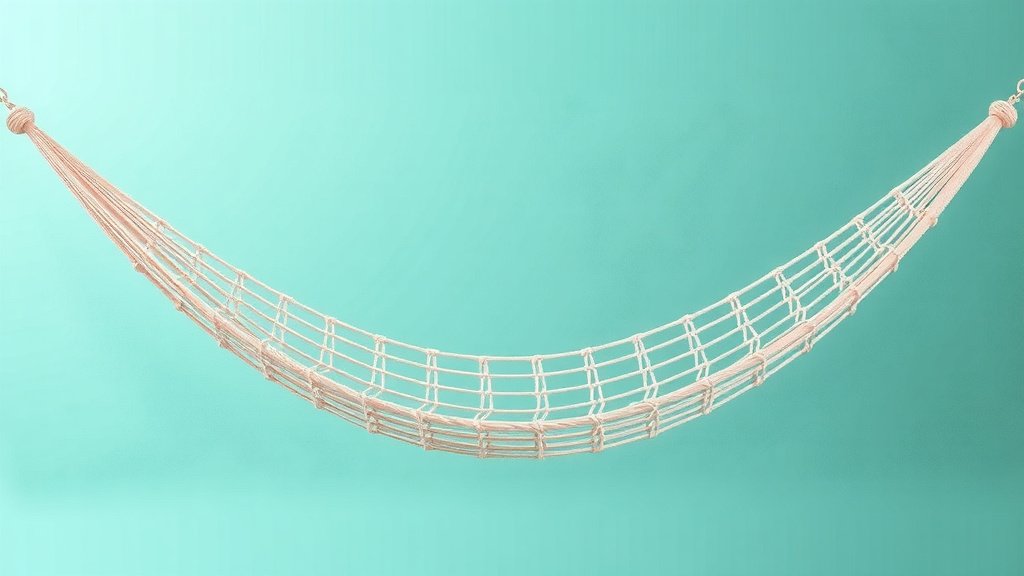
Ever wonder why your hammock felt snug last summer but now dips like a hammock-shaped net? It’s not your imagination. Ropes stretch with use, and a few hanging mistakes can make the problem worse.
Rope Stretch Over Time
Cotton ropes stretch the most. We found that cotton absorbs a lot of moisture and swells, then dries looser than before (USDA textile guidance has long noted this trait). Polyester ropes hold their shape better. Nylon sits somewhere in the middle.
Think of new ropes like new jeans. They feel great on day one, then loosen up after a few wears. Every time you climb in, the weave tightens and the fibers lengthen a little more.
| Rope Material | How Much It Stretches | Weather Tolerance |
|---|---|---|
| Cotton | High — stretches and sags fastest | Poor — mildews and weakens when damp |
| Polyester | Low — holds shape well | Good — handles rain and sun better |
| Nylon | Moderate — some stretch over time | Good — strong but can degrade in sun |
Hanging Height and Angle Problems
Even perfect ropes will sag if the hammock hangs too low. Many experts say the sweet spot is about 18 inches off the ground at the lowest point, with the ends attached around 4 to 5 feet high. Too wide a gap between anchors also flattens the bed and exaggerates the dip.
The Water-Soak Retensioning Method
This is the trick hammock owners rave about, and it costs nothing. Wet cotton ropes shrink slightly as they dry, so drying the hammock under tension pulls everything snug again.
Step-by-Step Instructions
- Soak the whole hammock in a tub, bucket, or with a garden hose until the ropes are fully saturated.
- Hang it immediately at your normal hanging points, still dripping wet.
- Add gentle weight — a couple of pillows or a folded blanket works. Don’t climb in yourself.
- Let it dry completely, which may take a full day in humid weather.
- Repeat once more if the sag improves but isn’t gone.
That’s it. No sewing, no hardware, no drama.
How Tight Is Too Tight?
Don’t crank the tension to drum-skin level. Ropes that dry under extreme stress can snap at the knots later. Aim for snug, not guitar-string tight. If the weave looks distorted or the spreader bars bow hard, back off a notch.
Drying Tips That Speed Things Up
Sunny, breezy days are your friend. Hang the hammock in direct airflow and flip or rotate it halfway through so it dries evenly. Skipping this step risks mildew, which weakens fibers faster than stretching ever could.
Retying the End Knots to Shorten the Hammock
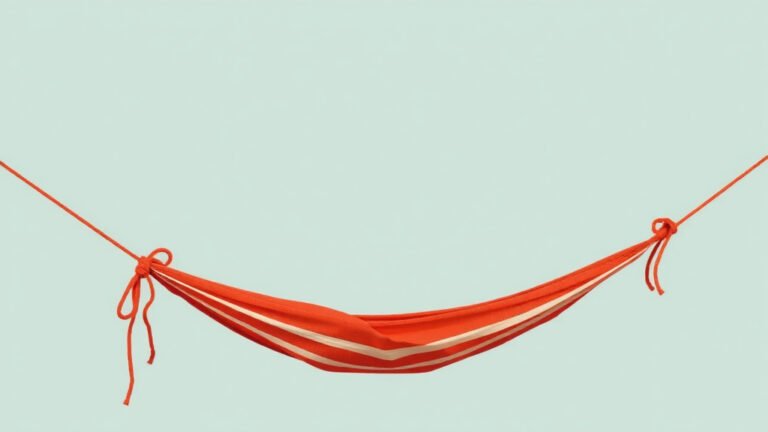
If soaking helped but the hammock still hangs low, shorten the overall length. Untie the loop at each end and re-tie it 2 to 3 inches further in. Test with light weight, then adjust again if needed.
We found that a bowline knot or a simple loop-and-lark’s-head works best here. Both hold firm under load yet come apart easily when you want to adjust again. One warning: measure twice. Tie both ends the same or your hammock will sit crooked, which is somehow worse than saggy.

Checking Your Hanging Setup
Sometimes the hammock isn’t the problem — the anchors are. Posts can lean, tree branches grow, and hardware loosens with the seasons. Before blaming the ropes, do a quick hanging audit.
- Measure the distance between anchor points. Most rope hammocks need 12 to 15 feet.
- Check that each hook or strap is still at the original 4 to 5 foot height.
- Look for leaning posts or bent hooks and straighten or replace them.
- Raise both ends a few inches if the middle still touches down.
When to Replace Ropes or Spreader Bars
There comes a point where every hammock needs an honest talk. If ropes look fuzzy, feel stiff, or show visible fraying and broken strands, no amount of retensioning will save them. A snapped rope under load isn’t just embarrassing — landing on the ground hurts, and falls are a real injury risk, which is why safety reviewers treat worn hammock ropes seriously (CDC injury-prevention guidance covers fall hazards at home).
Replacement rope kits are cheap, and re-weaving a classic rope hammock is easier than it looks. Spreader bars can also crack or warp over the years. A bent or split spreader bar throws off the whole bed and should be swapped out rather than patched.
Your Quick Sag-Free Maintenance Checklist
Want this problem to never happen again? Run through this list a few times a season.
- Inspect ropes monthly for frays, stiffness, or dark mildew spots.
- Hang dry after rain — never store a damp hammock.
- Re-soak and retension at the start of each lounging season.
- Bring it indoors before winter frost and snow arrive.
- Keep the 18-inch clearance and re-measure after any adjustment.
- Retire worn ropes early — a new rope kit beats a bruised tailbone.
Do these small things, and your hammock will keep that inviting curve instead of a sad droop. A little upkeep now means many lazy afternoons later, and honestly, your back will thank you for it.
Conclusion
A sagging rope hammock isn’t a lost cause — it’s just a hammock asking for a little attention. Start with the water-soak retensioning method, since it costs nothing and works for most stretched ropes. If that doesn’t fully fix it, retie the end knots to shorten the length, then double-check your anchor height and spacing. And if the ropes are frayed or the spreader bars are warped, swap them out before they fail on you. Grab a hose, set aside an hour this weekend, and give your hammock the tune-up it deserves. You’ll be back to that perfect, comfortable curve in no time.
Frequently Asked Questions
Can I fix a sagging hammock without taking it down?
Yes, for minor sags you can soak the ropes with a garden hose while the hammock stays hung, then let it dry under tension. This works best with cotton ropes. For bigger sags, though, you’ll want to take it down so you can retie the knots properly.
Why does my hammock sag more in the middle than at the edges?
The center takes the most weight and carries the longest rope runs, so it stretches first. It can also mean your anchor points are too far apart, which flattens the bed. Try narrowing the gap or raising both ends to fix the dip.
How long should a rope hammock last before needing new ropes?
It depends on the material and how you care for it. Well-maintained polyester can last several seasons, while cotton left out in the weather may need replacing after one or two. We found that storing it dry and indoors makes the biggest difference.
Is it safe to sleep overnight in a sagging hammock?
It’s not recommended. A deep sag puts extra strain on the ropes and knots, and a bad drop angle can throw you off balance when you shift in your sleep. Fix the sag first, then enjoy your overnight stays with peace of mind.
Can I use a hammock stand if my posts are too far apart?
Absolutely. A good hammock stand lets you set the exact width and height you need, and many are adjustable. Just make sure the stand is rated for your weight plus a healthy margin, and position the hanging points 4 to 5 feet high.