Is Your Tree Hammock-Ready? Safety Check Guide
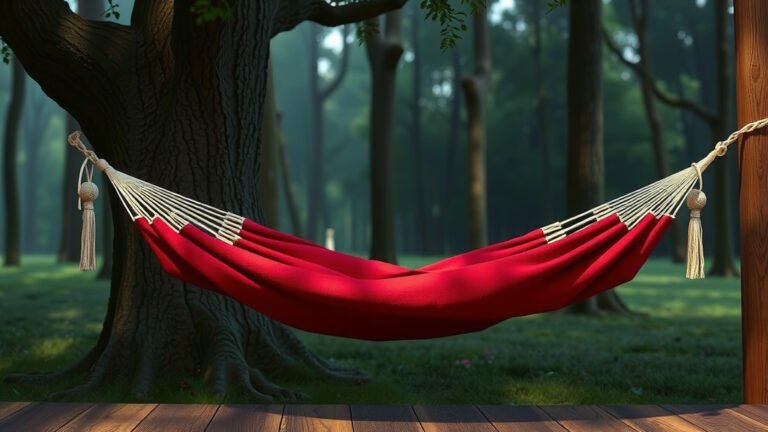
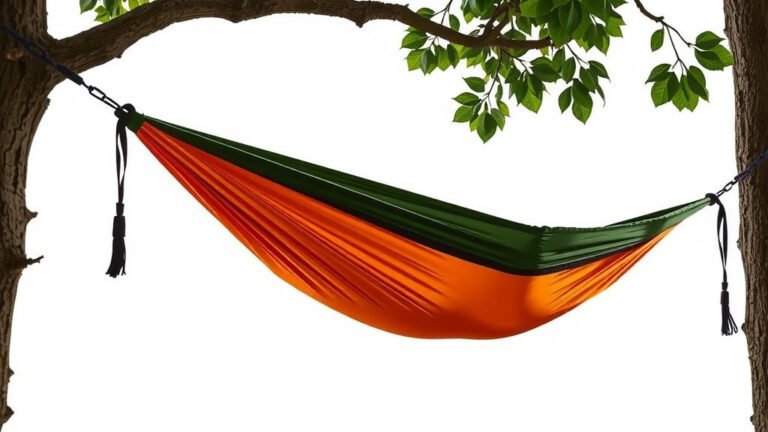
Yes, you can absolutely hang a hammock from a tree, but you need to check its health and strength first. A strong, healthy tree is essential for safe hammock use. We found that looking for signs of decay or damage is key to preventing accidents.
Choosing the right tree means more than just finding a sturdy trunk. You also need to consider the tree’s species and its overall condition. Many experts recommend avoiding trees with shallow root systems or visible problems. Your safety and the tree’s well-being are both important.
- Look for healthy bark and a solid trunk.
- Check for signs of disease or insect damage.
- Consider the tree species; hardwoods are generally stronger.
- Inspect the branches you plan to use.
- Ensure the tree is firmly rooted.
Ready to find the perfect tree for your relaxing escape? Let’s walk through exactly how to check if a tree is safe for your hammock.
Choosing the Right Tree for Your Hammock Hang
Hanging a hammock from a tree is a fantastic way to relax. But before you string it up, you need to make sure the tree can handle the weight. Your safety is the top priority. We found that a little inspection goes a long way.
Assessing the Tree’s Overall Health
The first step is to look at the tree like you’re checking on a friend’s well-being. Is it vibrant and strong, or does it look a bit tired? A healthy tree will show signs of life all around. It should look sturdy and well-established in its spot.
Signs of a Healthy Tree
Healthy trees typically have **vibrant green leaves** during the growing season. Their bark should be mostly intact, without large patches missing or deep cracks. The branches should look strong and reach outwards, not droop heavily. Think of a healthy tree as one that’s standing tall and proud.
Warning Signs to Watch For
On the flip side, there are definite red flags. Look for trees with **dead branches**, especially large ones. These can be brittle and break easily. You might also see mushrooms or fungus growing on the trunk or around the base. This often means there’s decay happening inside the tree (Arbor Day Foundation).
Pest infestations are another common problem. Holes in the bark, sawdust-like material at the base, or peeling bark can all indicate insect damage. These issues weaken the tree’s structure. A tree that looks sickly is not a good candidate for supporting your relaxation time.
Examining the Trunk and Bark
The trunk is the main support for your hammock. You need to be sure it’s solid and sound. Imagine the trunk as the tree’s spine; it needs to be strong and unbroken.
Checking the Trunk’s Stability
Give the trunk a gentle push or shake. Does it sway excessively? A little movement is normal, especially in windy conditions. However, if it feels very wobbly or loose, it might have weak roots or an unstable base. It should feel firmly planted in the ground.
Inspecting the Bark for Damage
Run your hands over the bark. Are there large, deep cracks that go all the way around the trunk? Are there areas where the bark is completely missing? These can be entry points for disease and pests, weakening the wood underneath. Small, superficial cracks are usually not a concern, but large ones are a definite problem.
Evaluating the Branches You’ll Use
If you’re not using a hammock stand, you’ll be relying on branches. Not all branches are created equal, and choosing the right ones is key.
Branch Diameter Matters
Experts generally recommend using branches that are at least 6 inches in diameter. This provides enough strength to hold your weight. Thinner branches are much more likely to snap. You can often estimate diameter by eye, or use your hands to get a feel for how thick it is.
Branch Health and Attachment
Look closely at where the branch meets the trunk. Is this attachment point strong and solid? You don’t want to see any signs of rot, cracks, or separation there. Also, check the branch itself for any signs of disease or damage we discussed earlier. A branch that looks healthy and is well-attached is your best bet.
Understanding Tree Species and Their Strength
Did you know that different types of trees have different strengths? Some are naturally more robust than others. Knowing a little about tree types can help you make a better choice.
Hardwoods like oak, maple, and hickory are generally considered stronger and more durable than softwoods like pine or fir. Hardwoods have a denser wood structure, making them better suited for bearing weight. While a very large and healthy pine might work, a hardwood of similar size is usually a safer bet.
Root System Check: The Foundation of Strength
Even the strongest trunk and branches are useless if the tree isn’t firmly rooted. The roots anchor the tree and provide stability.
Look around the base of the tree. Can you see any large roots that appear exposed, damaged, or have been cut? Is the ground around the base unusually soft or waterlogged? These could be signs of a compromised root system. A tree that feels unsteady or has visible root damage is a risk.
A Quick Hammock Tree Checklist
Here’s a handy checklist to run through when you’re out inspecting potential hammock trees:
- Is the trunk thick and solid with no large cracks?
- Is the bark mostly intact and free of fungus?
- Are there any dead branches hanging from the tree?
- Do the branches you plan to use look healthy and strong?
- Does the tree feel firmly planted in the ground?
Conclusion
You’re now ready to find the perfect tree for your hammock! Remember, a safe hang starts with a healthy tree. We found that carefully inspecting the trunk, bark, and branches is your best bet. Pay attention to signs of decay or damage. Also, consider the tree’s species and its root system for a strong foundation. Trust your instincts and choose a tree that looks and feels robust. Your relaxing hammock experience awaits with a little bit of careful checking!
Frequently Asked Questions
How can I tell if a tree is too old or dying?
Look for significant signs of decline. Dead branches, especially large ones, are a major red flag. You might also see mushrooms or fungus growing on the trunk or near the base, which often indicates internal decay. A tree that appears generally unhealthy or brittle is not a safe choice.
What if I can’t tell the exact diameter of a branch?
Estimating is often sufficient for hammock hanging. You can use your hands to gauge thickness; a branch that feels as thick as your wrist or larger is usually a good starting point. When in doubt, err on the side of caution and choose a thicker branch or a different tree.
Can I hang a hammock from a young tree?
It’s generally not recommended to hang a hammock from a young or immature tree. Young trees often have thinner trunks and less developed root systems. They may not be strong enough to support the weight, and hanging a hammock could potentially harm the tree as it grows.
What should I do if I find suspicious signs on a tree?
If you notice warning signs like deep cracks, extensive fungus, or a very wobbly trunk, it’s best to avoid that tree for your hammock. Your safety and the tree’s health are the priorities. It’s always better to find another sturdy, healthy tree.
Are there specific times of year that are better for checking trees?
The growing season, typically spring and summer, is often the best time to assess a tree’s health. Vibrant green leaves and healthy foliage make it easier to spot signs of vitality or distress. However, you can inspect trunk and branch structure year-round.