Hammocks for Better Sleep: Science and Benefits
Yes, hammocks can absolutely help you sleep better, especially if you struggle with falling asleep or staying asleep. The gentle rocking motion of a hammock helps to calm your nervous system and lull you into a deeper, more restorative sleep. Many people find it feels like a cozy, secure hug.
Researchers have found that sleeping in a hammock can lead to a quicker sleep onset and a more stable sleep pattern. This swaying sensation mimics the feeling of being rocked as a baby, which is naturally soothing. It’s not just about comfort; it’s about a physiological response.
TL;DR:
- Hammocks can improve sleep quality for many.
- The rocking motion helps you fall asleep faster.
- It creates a calm, secure feeling.
- Research supports faster sleep onset in hammocks.
Ready to see if a hammock is your ticket to better sleep? Let’s dive into how this simple piece of fabric might just change your nights.
Could a Hammock Improve Your Sleep?
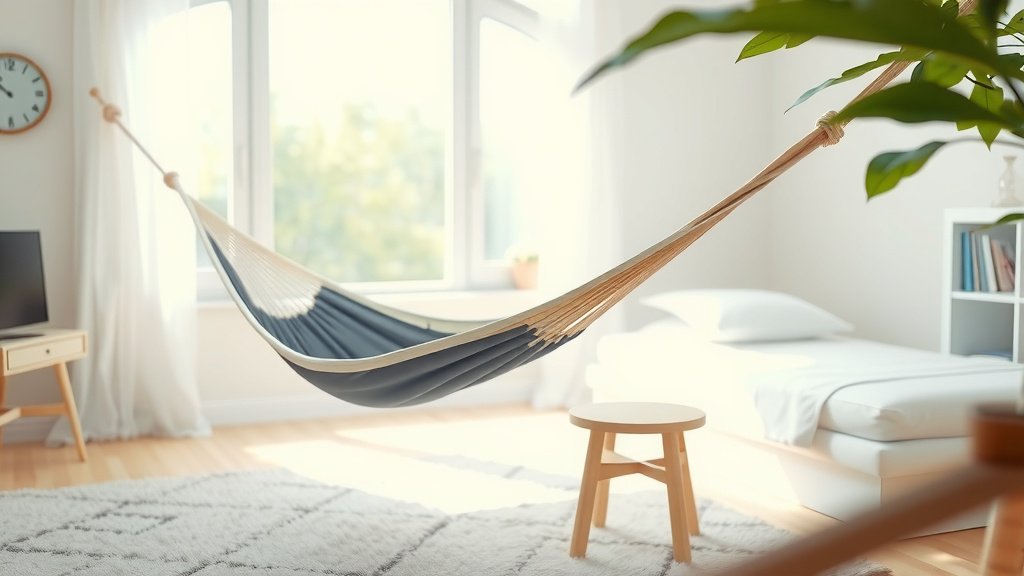
You might be wondering if a hammock is just a fancy hammock or if it can genuinely help you sleep better. The answer is a resounding yes for many people. It’s not just about a cozy place to nap; it’s about how a hammock interacts with your body’s natural rhythms. If you’re considering a hammock for sleep, learn about choosing a hammock for sleeping.
The gentle swaying motion is key. This feeling is incredibly soothing. It can calm your busy mind and prepare you for rest. Think of it like being rocked as a baby. That motion is designed to help us relax and drift off to sleep.
The Science Behind Hammock Sleep
Researchers have looked into why hammocks might be so good for sleep. They found that the constant, gentle rocking can actually speed up the time it takes to fall asleep. This is often referred to as sleep onset latency.
The Rhythmic Rocking Effect
The swaying motion of a hammock creates a predictable rhythm. This rhythm can help synchronize brain waves. Think of it like a gentle lullaby for your brain. This synchronization is important for entering different sleep stages. It can lead to a more stable sleep pattern throughout the night.
Creating a Cocoon of Comfort
Hammocks often wrap around you. This creates a feeling of being held or hugged. This secure feeling can be very comforting. It helps reduce feelings of anxiety or restlessness. Many users report feeling more secure and safe in a hammock.
Impact on Sleep Stages
Studies have suggested that sleeping in a hammock can lead to deeper sleep. This means spending more time in the most restorative stages of sleep. These stages are vital for physical and mental recovery. You wake up feeling more refreshed and energized. This is a major benefit for overall well-being.
| Feature | Hammock Sleep | Traditional Bed Sleep |
|---|---|---|
| Sleep Onset | Often faster due to rhythmic motion | Variable, can be slower if restless |
| Feeling of Security | High due to cocoon-like wrap | Moderate, depends on mattress/bedding |
| Restorative Sleep | Potentially deeper stages | Can be restorative, but can also be interrupted |
| Napping Quality | Often leads to quicker naps | Can be good, but can also lead to grogginess |
Who Can Benefit Most from Hammock Sleep?
While many people find hammocks helpful, some may see even greater advantages. If you often toss and turn at night, a hammock could be a solution. People who struggle with racing thoughts or anxiety might find the calming effect particularly useful.
Trouble Falling Asleep?
If you lie awake for a long time before drifting off, the rocking motion can be a game-changer. It actively works to calm your mind. This makes it easier to transition from wakefulness to sleep. You might find yourself nodding off much more quickly.
Waking Up Frequently?
Some hammocks can help you sleep more soundly. The gentle sway can prevent you from shifting too much during the night. This can lead to fewer awakenings. A more consistent sleep cycle means better rest. It’s like having a personal lullaby all night long.
The Comfort Factor
Let’s be honest, hammocks are incredibly comfortable. They conform to your body shape. This can relieve pressure points that might bother you in a traditional bed. For some, this unique comfort is enough to improve their sleep immensely. It’s a simple, yet effective, form of support.
Tips for Maximizing Hammock Sleep Quality
To get the best sleep experience from your hammock, a few things can help. It’s not just about hanging it up and jumping in. A little planning goes a long way.
Proper Setup is Key
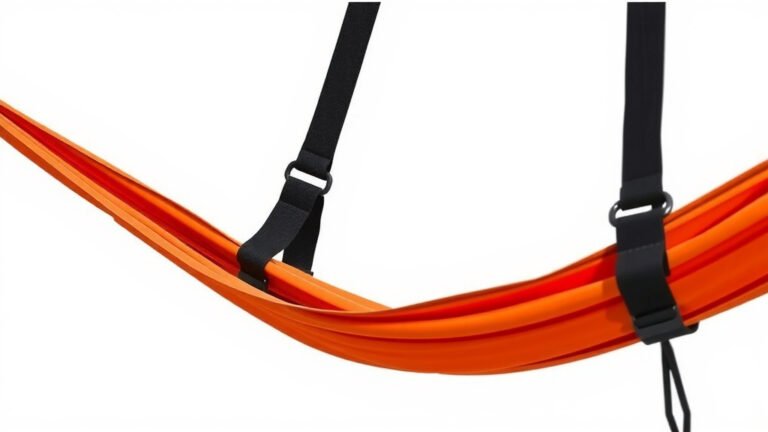
Make sure your hammock is hung at the right height and angle. Too tight, and it’s flat and uncomfortable. Too loose, and you might feel like you’re falling out. A good rule of thumb is the “7-point hang.” This means the ends should be about 7 feet apart, and the hanging ropes should form a 30-degree angle with the ground. This creates that perfect hammock curve. Many experts suggest this angle for optimal comfort (NOLS). To get the best sleep experience from your hammock, ensure it’s hung at the right height and angle.
Consider a Hammock with a Spreader Bar
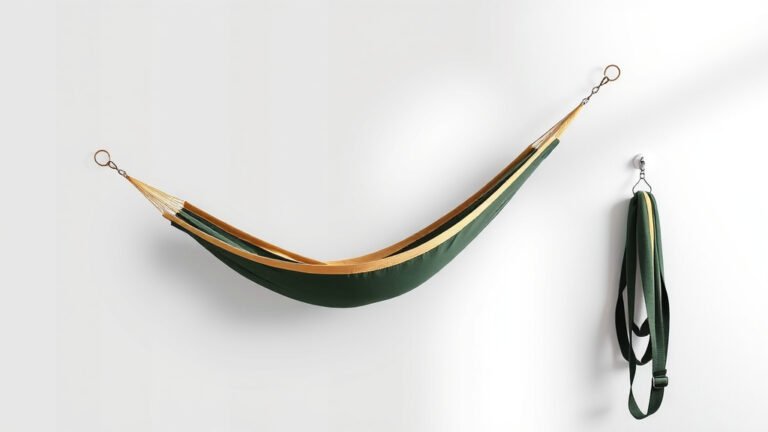
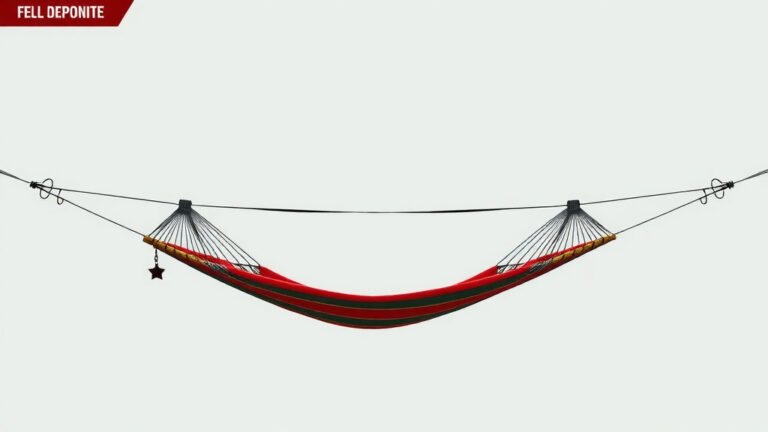
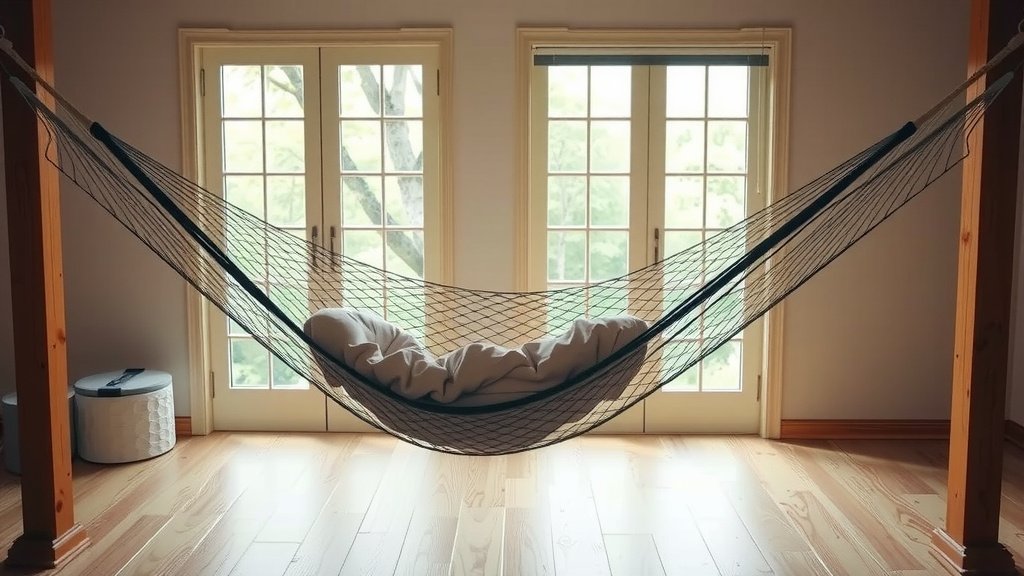
Some hammocks have spreader bars. These keep the fabric flatter. While they might seem more bed-like, they can sometimes be less stable. A traditional, non-spreader bar hammock often offers more of that secure, cradling feeling. This might be better for sleep. It depends on your personal preference, though.
Adding Comfort Layers
While hammocks are comfy on their own, you can add layers. A light blanket or a special hammock sleeping bag can enhance the experience. This is especially true if you plan to sleep in cooler temperatures. Think of it as creating your perfect sleep nest.
Are There Any Downsides to Hammock Sleep?
While hammocks offer many benefits, they aren’t for everyone. Some people might find them difficult to get used to. It can take a little time to adjust to sleeping at an angle. Also, getting in and out might require some practice.
Potential for Motion Sickness
For a very small number of people, the constant motion can be unsettling. It might even trigger feelings of motion sickness. If you’re prone to this, start with short naps to see how you feel. It’s rare, but worth considering.
Temperature Regulation
In cooler weather, your back can get cold because the air circulates beneath you. Hammocks don’t offer the same insulation as a mattress. You might need a sleeping pad or an underquilt to stay warm. Many backpackers use these for cold-weather camping. You can adapt this for home use too.
Learning Curve
Getting comfortable and finding your sleeping position might take a few nights. Don’t give up if your first night isn’t perfect. Your body needs time to adapt to this new way of sleeping. Many people find the effort is well worth it for the improved sleep quality they gain.
Your Hammock Sleep Checklist
- Hang your hammock at the correct angle.
- Ensure it’s securely anchored.
- Experiment with sleeping positions.
- Use extra layers for warmth if needed.
- Give your body a few nights to adjust.
- Listen to your body’s comfort cues.
Conclusion
You’ve seen how a hammock isn’t just for lazy afternoons. For many, it’s a powerful tool for achieving truly restorative sleep. The unique cradling sensation and gentle rocking motion can help calm your mind and body. Research supports that this can lead to falling asleep faster and enjoying deeper sleep stages. If you’ve struggled with restless nights, a hammock might be the simple, natural solution you’ve been seeking. Give it a try and discover the difference a well-hung hammock can make for your well-being.
Frequently Asked Questions
Can I use a hammock as my primary bed?
Yes, many people successfully use hammocks as their main sleeping surface. While it might take some adjustment, the benefits of improved sleep onset and deeper rest can make it a worthwhile transition. Ensure your hammock is set up securely for nightly use.
How long does it take to get used to sleeping in a hammock?
Most people find they adjust to hammock sleeping within a few nights to a week. Initially, you might feel a bit unusual or need to experiment with your position. Don’t be discouraged if your first night isn’t perfect; persistence often leads to better sleep.
Will a hammock make me feel motion sick?
It’s rare, but a small number of individuals might experience motion sickness from the constant gentle sway. If you’re prone to this, try starting with short naps in the hammock to gauge your reaction before committing to overnight sleep.
What’s the best type of hammock for sleeping?
Most experts recommend a traditional gathered-end hammock without spreader bars for sleeping. These tend to offer a more secure, cocoon-like feel that promotes deeper rest. Spreader bar hammocks can be less stable and may not provide the same cradling effect.
How do I stay warm in a hammock during colder weather?
Because air circulates underneath, hammocks can get chilly. To stay warm, use a sleeping pad to insulate your back or invest in a hammock underquilt. Layering blankets also helps create a cozy sleep environment.