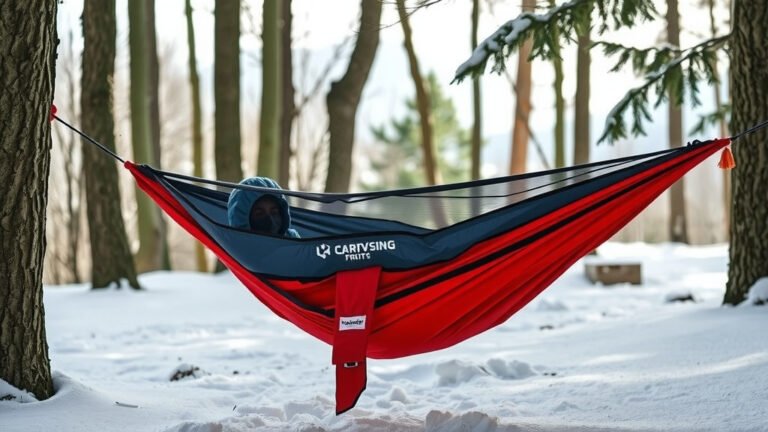

Stay Dry in Your Hammock: Essential Gear and Tips
You can absolutely stay dry in a hammock, even when it rains! The key is using the right hammock rain fly. This waterproof tarp acts as your personal shelter above the hammock, keeping you nice and dry. With a little preparation, a rainy camping trip doesn’t have to mean a soggy nap.
Beyond just a rain fly, choosing a water-resistant hammock and setting up properly makes a big difference. Think of it like building a mini-fortress against the elements. Many campers have found that proper site selection and a few simple gear choices prevent any unwelcome dampness. You’ll want to protect both yourself and your hammock itself from moisture.
- Use a waterproof hammock rain fly.
- Choose a hammock made of water-resistant material.
- Set up your fly to create a steep angle for water runoff.
- Position your hammock to avoid direct water drips.
- Consider using stuff sacks to keep your gear dry.
Let’s walk through exactly how to set up your hammock and rain fly to ensure you stay cozy and dry, no matter what the clouds are doing.
Keeping Your Hammock Dry in Wet Weather
Staying dry in your hammock during a rain shower might seem like a challenge, but it’s definitely achievable. The secret lies in setting up a good shelter above your hammock. Think of it like creating a personal, portable roof. With the right gear and a bit of know-how, you can enjoy your hammock even when the weather isn’t cooperating.
Choosing the Right Gear for Rainy Days
Your first line of defense against rain is your gear. Not all hammocks and rain protection are created equal, especially when water is involved. We found that investing in a few key items makes a huge difference in your comfort.
The Importance of a Waterproof Rain Fly
The hammock rain fly is your most critical piece of equipment for staying dry. This is essentially a tarp designed to go over your hammock. Its main job is to shed water away from you and your hammock.
What to Look For in a Rain Fly
When you’re choosing a rain fly, look for materials that are advertised as waterproof, not just water-resistant. Fabrics like silnylon (silicone-impregnated nylon) or Dyneema Composite Fabric (DCF) are excellent choices. We found that a larger rain fly offers better coverage. Aim for one that extends well beyond the sides of your hammock. This provides a bigger dry zone. Also, check the weight and packability, especially if you’re backpacking.
Selecting a Water-Resistant Hammock
While your rain fly does the heavy lifting, the material of your hammock itself can also contribute to staying dry. Some hammock fabrics are naturally more water-repellent than others.
Fabric Types and Their Performance
Many standard camping hammocks are made from nylon or polyester. These materials can absorb moisture over time. We found that hammocks made with tightly woven nylon, often called ripstop nylon, tend to be more resistant to water soaking through quickly. Some manufacturers also treat their hammock fabrics with DWR (Durable Water Repellent) coatings. This helps water bead up and roll off. However, research and found that even the most water-resistant hammock will eventually get damp if exposed to prolonged rain without adequate overhead protection (Mayo Clinic).
Understanding Hammock Suspension and Water
Your hammock’s suspension system – the straps or ropes that connect it to trees – can also be a pathway for water. If the straps are constantly wet, they can act like a wick, drawing moisture down to your hammock. Many experts recommend using waterproof webbing or coated rope for your suspension in wet conditions. We found that keeping your suspension points as high as possible can also help. This creates a better angle for water to run down the straps and away from your sleeping area.
Strategic Setup for Maximum Dryness
Simply having the right gear isn’t enough; how you set it up is just as important. Proper setup ensures your rain fly works effectively and directs water away from you.
Positioning Your Hammock and Rain Fly
The angle of your rain fly is key to shedding water. We found that setting up the rain fly with a steep pitch is crucial. This allows water to run off quickly rather than pooling or dripping through. Think of it like a well-designed roof on a house. You want the water to flow down and away from your hammock. Aim for a tension that is firm but not so tight that it warps the fabric. This ensures the best water runoff.
Creating a Dry Zone Under the Fly
Your goal is to create a generous dry space. The rain fly should extend well past the edges of your hammock. This creates an area where you can sit up, get dressed, or store gear without getting wet. Many users find that a hexagonal or asymmetrical rain fly offers excellent coverage and can be set up in various configurations to suit different conditions. We found that positioning your hammock slightly lower within the fly can create a larger protected space. Just ensure it’s not so low that it touches the fly when you lie down.
Site Selection Matters
Where you choose to hang your hammock can also impact how dry you stay. Look for sites that offer natural protection. Dense tree canopies can provide an extra layer of defense against light rain. Avoid hanging your hammock directly under any branches that might collect water and drip. We found that areas with good drainage are also preferable, reducing the chance of your immediate surroundings becoming a muddy mess.
Protecting Your Gear from the Elements
It’s not just you and your hammock that need to stay dry; your gear does too. Wet sleeping bags or clothes can ruin a camping trip.
Using Waterproof Stuff Sacks
The simplest way to keep your essential items dry is to use waterproof stuff sacks or dry bags. Pack your sleeping bag, extra clothes, and electronics in these. Even if the rain is heavy, your gear inside these bags will remain dry. We found that brightly colored stuff sacks can also make it easier to find things quickly in low light conditions.
Creating a Gear Hammock or Storage Area
Many campers use a small, separate hammock designed for gear. This can be hung near your main hammock and kept under the rain fly. Alternatively, you can create a small storage area at the foot or head of your hammock, ensuring it’s well within the protected zone of your rain fly. This keeps items off the potentially damp ground. Many guidelines suggest keeping food items in sealed containers even when stored under cover (CDC).
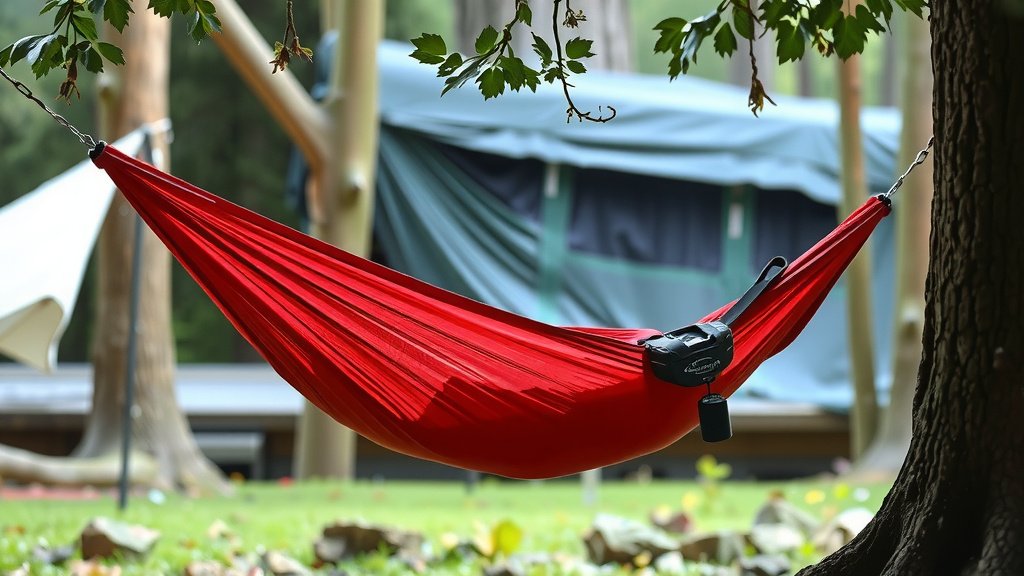
Quick Checklist for Staying Dry
Here’s a simple checklist to ensure you’re prepared for damp weather:
- Confirm your rain fly is fully waterproof and has no holes.
- Practice setting up your rain fly at home for a steep water-shedding angle.
- Pack essential gear in waterproof stuff sacks.
- Choose a campsite with natural cover if possible.
- Ensure your hammock suspension is set high to encourage water runoff.
- Check that your rain fly extends far beyond the edges of your hammock.
Maintaining Your Hammock After Rain
Once the rain stops, it’s important to dry out your gear properly. Leaving a damp hammock or rain fly packed away can lead to mildew and damage the fabric. Always hang your hammock and rain fly out to dry completely before storing them. We found that a quick wipe-down with a dry cloth can remove surface moisture. This small step helps extend the life of your gear and ensures it’s ready for your next adventure.
Conclusion
You can absolutely stay dry and comfortable in your hammock, even when it’s raining! The secret is smart preparation and the right gear. A good waterproof rain fly is your best friend, set up at a steep angle to ensure water runs right off. Choosing a water-resistant hammock material and protecting your gear in waterproof stuff sacks adds extra layers of defense. With these steps, you’ll be ready to enjoy your hammock no matter what the weather forecast says. Your next adventure awaits, rain or shine!
Frequently Asked Questions
What’s the difference between a water-resistant and waterproof rain fly?
A water-resistant rain fly can handle light moisture for a short time. A waterproof rain fly, however, is designed to completely block water penetration. For guaranteed dryness in a downpour, you’ll want a fly that’s truly waterproof. We’ve found materials like silnylon and DCF offer the best protection.
Can I use a regular tarp as a hammock rain fly?
You can, but a tarp designed specifically for hammocks often has better features. Hammock tarps are usually shaped to provide optimal coverage and rigging points. While any waterproof tarp can offer some protection, a dedicated hammock fly is usually easier to set up effectively. We’ve seen users have great success with both, but specialized gear often simplifies the process.
How steep does my rain fly need to be?
Your rain fly should have a steep pitch to encourage water runoff. Think of it like a good roof angle on a house. A pitch of at least 30-45 degrees is often recommended. This prevents water from pooling and finding its way through or around your fly. Proper tensioning of your guy lines is key to achieving this.
What if my hammock suspension straps get wet?
Wet suspension straps can act like a wick, drawing moisture down to your hammock. We’ve found that using waterproof webbing or coated rope for your suspension helps significantly. Keeping your suspension points as high as possible also aids water runoff. Some campers even use small “drip rings” or tape wrapped around the straps just above the hammock connection.
How do I dry my hammock and rain fly after it gets wet?
After rain, always hang your hammock and rain fly out to dry completely before packing them away. Lay them flat or hang them over a clothesline or sturdy branches. Even a quick wipe-down with a dry towel can remove surface moisture. Storing damp gear can lead to mildew and damage the fabric over time.