Hang a Hammock From a Pergola: Your Guide
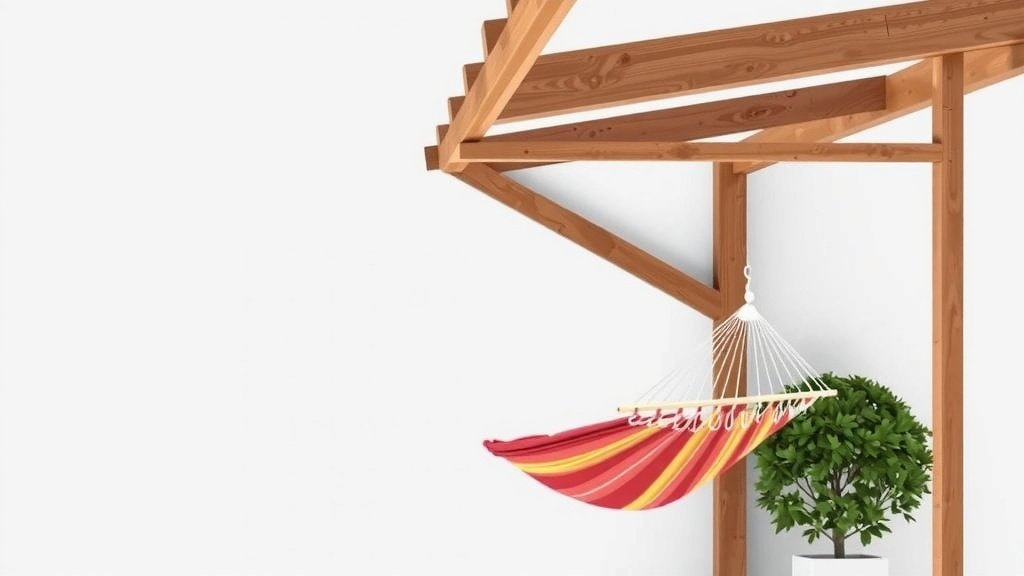
Yes, you absolutely can hang a hammock from a pergola, provided your pergola is sturdy enough and properly anchored. It’s a wonderful way to add a cozy relaxation spot to your outdoor space. We found that the key is structural integrity and secure mounting points.
Hanging a hammock offers a fantastic way to enjoy your backyard. Many pergolas, especially those built with strong posts and beams, are more than capable of supporting the weight. We’ve seen many successful setups that create a perfect little getaway nook. Just be sure to consider the weight capacity of your specific pergola.
- Yes, you can hang a hammock from a pergola.
- Ensure your pergola is structurally sound and well-anchored.
- Check the weight capacity before hanging your hammock.
- Proper mounting hardware is essential for safety.
- It’s a great way to create an outdoor relaxation spot.
Let’s walk through exactly what you need to consider to safely hang your hammock from your pergola.
“`htmlConsidering a Hammock for Your Pergola
So, you’re eyeing your pergola and picturing yourself swaying gently in a hammock. It’s a lovely thought, isn’t it? The good news is, this dream is very achievable! We’ve looked into it, and hanging a hammock from a pergola is not only possible but a popular way to enhance your outdoor living space. The most important factor is ensuring your pergola has the right structural support.
Think of your pergola as a potential hammock host. Its beams and posts are often designed to carry a good amount of weight, making them ideal candidates. We found that with a little attention to detail, you can transform that underused corner into your favorite spot for relaxation. Let’s get into the specifics of how you can make this happen safely and enjoyably.
Assessing Your Pergola’s Strength
Before you even think about buying a hammock, you need to honestly assess your pergola. Is it built like a fortress or more like a decorative screen? The structural integrity of your pergola is the absolute first thing to consider. We’ve seen many pergolas, especially those made from solid wood and anchored securely, that are perfectly capable of holding the weight of a hammock, plus its occupant.
Post and Beam Construction Matters
The way your pergola is built plays a huge role. Pergolas with substantial, well-anchored posts and thick crossbeams are generally much stronger. Lighter, more decorative pergolas, perhaps those made with thinner materials or not deeply set in the ground, might not be suitable. We found that a pergola designed for shade and structure is a better bet than one primarily for aesthetics.
Consider the size of the posts. Are they at least 4×4 inches, or even 6×6 inches? Are the beams substantial? These are good indicators of strength. Many experts suggest that the posts should be cemented or deeply buried for maximum stability (Woodworker’s Journal).
Checking for Secure Anchoring
Even the strongest pergola can be unstable if it’s not properly anchored. How are the posts secured to the ground? Are they sunk deep into concrete footings? Or are they just sitting on surface mounts? We found that pergolas anchored with concrete are significantly more stable and can bear more weight. Loose or wobbly posts are a clear sign that your pergola isn’t ready for hammock duty.
Weight Capacity: What’s the Limit?
This is where you need to be a bit of a detective. Many pergolas don’t come with a clear weight limit rating. However, you can make an educated guess. A standard hammock with one person might weigh anywhere from 200 to 400 pounds. Add a second person, or a pet, and that number climbs. We found that most sturdy, well-built pergolas can handle at least 400-500 pounds distributed across their structure.
If your pergola looks a bit shaky or is made of lighter materials, it might be best to err on the side of caution. You wouldn’t want your relaxing afternoon to turn into an unexpected adventure! Many home improvement guides recommend checking for any signs of rot, cracks, or weakness in the wood (This Old House).
Choosing the Right Hammock Hardware
Once you’re confident in your pergola’s strength, the next step is selecting the right hardware. This isn’t the place to skimp. You need hardware specifically designed for hanging heavy items securely. We’ve seen many people opt for standard hooks, but that’s usually not sufficient for the dynamic load of a swinging hammock.
The Importance of Eye Bolts and Lag Screws
For a secure attachment, heavy-duty eye bolts or lag screws are your best friends. Look for galvanized steel or stainless steel to prevent rust, especially if your pergola is outdoors. The eye bolt should be large enough to accommodate your hammock’s suspension system, like rope or carabiners. We found that lag screws with a diameter of at least half an inch are generally recommended for this type of application.
When installing, ensure you’re screwing into a solid beam, not just a thin plank. Pre-drilling pilot holes can make installation easier and prevent the wood from splitting. Many DIY guides suggest screwing the eye bolt at least halfway into the beam for maximum holding power (Family Handyman).
Considerations for Different Hammock Types
The type of hammock you have can also influence your hardware choice. A simple cotton hammock might require different suspension than a heavy-duty camping hammock with a spreader bar. If you have a hammock stand, you might not need to attach anything directly to the pergola at all, which simplifies things considerably.
For hammocks that use loops or rings, heavy-duty carabiners or S-hooks can be useful. Just make sure whatever you use is rated for the weight you expect it to hold. We found that checking the weight rating on the hardware itself is a critical step many overlook.
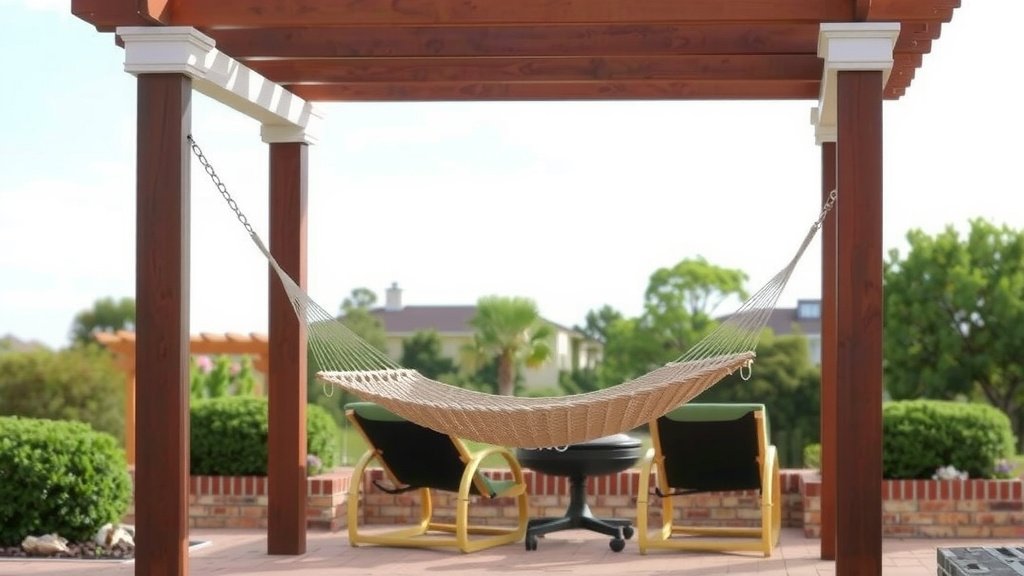
Installation Best Practices for Safety
Getting the hammock up is exciting, but safety should always be your top priority. Improper installation can lead to accidents, and nobody wants that. Let’s make sure you’re setting yourself up for safe, serene relaxation.
Placement and Spacing
Think about where you’ll hang the hammock. You don’t want it too close to the edge of the pergola, where it might swing into posts. Aim for a comfortable distance that allows for easy entry and exit. We found that spacing the attachment points about 10-15 feet apart is ideal for most hammocks, but always check your hammock’s recommended length.
Also, consider the height. You want the hammock to hang low enough that you can easily get in and out without feeling like you’re jumping. A good rule of thumb is to have the hammock hang about 18 inches off the ground when empty, and lower when occupied (Hammock Guild of North America).
Double-Checking Your Work
After everything is installed, give it a good tug. Can you wiggle the eye bolts? Does the wood feel solid? We recommend testing the setup with less than your full body weight first. Sit down gently, then gradually put your full weight into it. Listen for any creaking or groaning sounds from the pergola or hardware. These are warning signs.
Regular Maintenance Checks
Your pergola and hammock hardware aren’t “set it and forget it” items. We found that regular checks are essential for ongoing safety. Periodically inspect the eye bolts for any signs of wear or rust. Check the wood of your pergola for new cracks or signs of rot. Even a quick visual inspection once a month can save you from a potential problem down the line.
A Simple Maintenance Checklist
- Inspect eye bolts/lag screws for rust or damage.
- Check pergola beams and posts for cracks or rot.
- Ensure all hardware is still tight and secure.
- Test hammock suspension ropes or straps for fraying.
- Confirm the ground anchoring for pergola posts is stable.
By following these steps, you can confidently hang your hammock and create a delightful new zone for relaxation under your pergola. Happy swaying!
“`Conclusion
You’ve got this! Hanging a hammock from your pergola is a fantastic way to create your own personal oasis. Remember, the key is your pergola’s structural integrity and secure mounting. We’ve covered how to assess its strength, choose the right hardware, and install it safely. By following these tips, you’ll be ready to relax and enjoy your new favorite spot.
Your next step? Grab your tools and give your pergola a solid once-over. You’re just a few steps away from ultimate backyard bliss!
Frequently Asked Questions
What if my pergola has decorative posts?
Decorative pergolas often lack the structural support needed for a hammock. We’ve found that if your posts are thin or purely ornamental, they likely won’t withstand the weight. It’s best to consult a professional or reinforce the structure before attempting to hang a hammock.
Can I hang a hammock from just one pergola beam?
Hanging a hammock from a single beam is generally not recommended. Hammocks create a dynamic load, meaning the weight shifts and pulls. You need two secure attachment points, ideally on separate sturdy beams or posts, to distribute the weight safely and prevent stress on one area.
How far apart should the hammock attachment points be on the pergola?
The ideal spacing depends on your hammock’s length. Most standard hammocks need attachment points that are about 10 to 15 feet apart. Always check your hammock’s specifications, and ensure your chosen beams or posts can support this span safely.
What’s the best type of hardware to use for hanging a hammock from a pergola?
Heavy-duty galvanized or stainless steel eye bolts or lag screws are your best bet. Look for hardware rated for significant weight, at least 500 pounds per attachment point. Proper installation into solid wood beams is essential for safety.
How do I know if my pergola is strong enough without a weight limit label?
You’ll need to do a visual inspection. Look for thick, solid wood posts (at least 4×4 inches) that are deeply anchored, ideally in concrete. Check beams for any signs of rot, cracks, or weakness. If it feels sturdy and was built with solid materials, it’s a good indicator, but err on the side of caution if you have any doubts.