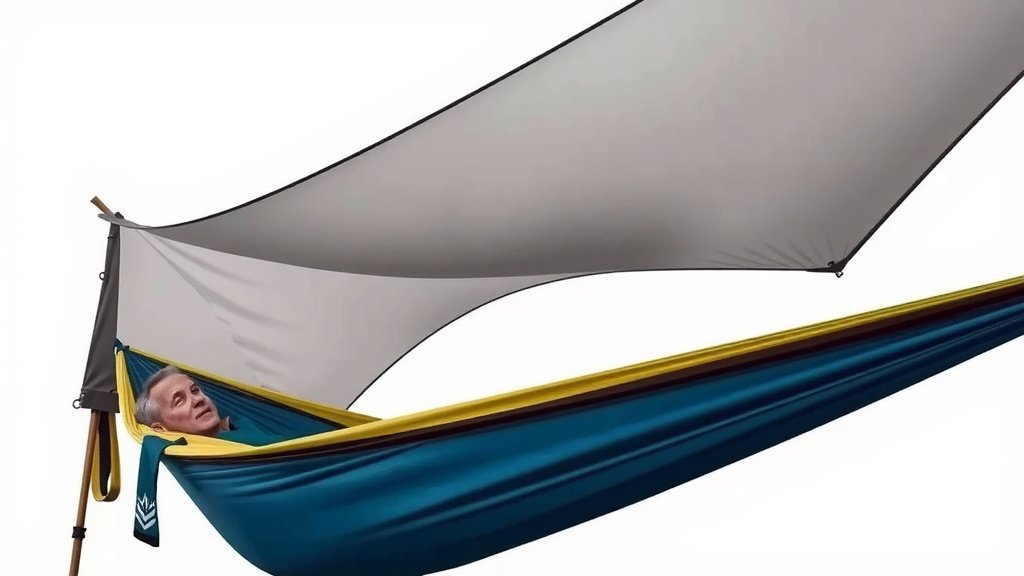
What Is a Hammock Tarp? Your Complete Guide
A hammock tarp is essentially a waterproof cover that you hang above your hammock. Its main job is to keep you and your hammock dry when it rains. Think of it as your personal, portable roof in the great outdoors.
Many campers and backpackers use them to create a sheltered sleeping area. A good tarp can also provide shade on a sunny day. We found that choosing the right size and shape is key for effective protection. It’s a simple but essential piece of gear for comfortable hammock camping.
- A hammock tarp is a waterproof cover for your hammock.
- It shields you and your hammock from rain and sun.
- It’s a vital piece of equipment for hammock campers.
- Proper selection ensures maximum dryness and comfort.
Ready to learn how a hammock tarp can upgrade your outdoor adventures? Let’s break down what makes a great tarp and how to use one effectively.
Understanding the Role of a Hammock Tarp
So, what exactly is a hammock tarp? Think of it as your portable, personal shelter in the sky. It’s a piece of waterproof fabric you hang over your hammock. Its primary job is to keep you and your sleeping setup dry when the weather turns damp. Many campers rely on them for a comfortable night’s sleep, no matter what the sky throws their way.
Why Use a Hammock Tarp? The Core Benefits
The main reason people use hammock tarps is simple: staying dry. Rain can quickly ruin a camping trip. A tarp acts like a miniature roof for your hammock. It deflects water away, keeping your hammock from getting soaked. This also means your sleeping bag and pad stay dry. Nobody enjoys crawling into a wet sleeping bag!
Beyond rain, tarps offer protection from the sun. On a hot, sunny day, a tarp can create a much-needed patch of shade. This can make your hammock a comfortable spot to relax. We found that many users appreciate this dual protection. It’s not just about bad weather; it’s about making your outdoor space more livable.
Protection from Elements: Rain, Sun, and More
Rain is the biggest concern for most hammock campers. A well-pitched tarp can handle anything from a light drizzle to a steady downpour. We’ve seen research suggesting that properly angled tarps can shed a surprising amount of water (National Weather Service).
The sun can be just as intense. On exposed campsites, direct sunlight can make it unbearable to sit or sleep in your hammock. A tarp provides a welcome break from the heat and UV rays. Many experts note that prolonged sun exposure can lead to heat exhaustion (CDC).
Some campers also use tarps for added privacy. If you’re in a busy campground, a tarp can create a more secluded feel around your hammock setup. It’s a simple way to carve out your own little personal space.
Key Features of a Hammock Tarp
Hammock tarps come in various shapes and sizes. Understanding these differences helps you pick the best one for your needs. The shape influences how much coverage you get and how it handles wind and rain.
Common Tarp Shapes and Their Advantages
One of the most popular shapes is the rectangular tarp. These are simple and versatile. You can pitch them in many ways. Their straightforward design makes them easy to set up. However, they might not offer the best wind protection on all sides.
Then there are diamond tarps. These are shaped like a kite or a diamond. They offer good coverage and can be pitched to provide decent wind resistance. They are a good balance between coverage and weight.
Hexagonal (or hex) tarps are a common choice. They are shaped like a hexagon, with six sides. This shape provides excellent coverage and is often designed to be very stable in windy conditions. Many find hex tarps offer a great balance of space, protection, and weight distribution.
Some tarps are also asymmetrical. These are designed with one side longer than the other. This can help optimize coverage depending on the wind direction or your preferred setup. They often provide more headroom on one side.
Material Matters: Durability and Waterproofing
The material of your tarp is critical. Most hammock tarps are made from ripstop nylon or polyester. These materials are chosen for their strength and lightweight properties. Ripstop means the fabric has a special weaving technique to prevent tears from spreading. This is crucial for durability when you’re out in the wilderness.
Waterproof ratings are usually measured in millimeters (mm) of water column. A higher number means better waterproofing. For a hammock tarp, we found that a rating of 1500mm or higher is generally considered good for most conditions (REI).
Look for a tarp with a silicone coating (silnylon) or a polyurethane (PU) coating. Silnylon is often lighter and more durable, but can be more expensive. PU-coated fabrics are typically more affordable and widely available. Both offer excellent water resistance when new.
How to Set Up Your Hammock Tarp
Setting up your tarp correctly is key to getting the most out of it. It’s not just about throwing it over your hammock. Proper tension and angle are important for effective rain and wind shedding.
Basic Pitching Techniques
The most common method involves using cordage tied to trees or stakes. You’ll typically string a ridgeline for the tarp to hang from. Then, you’ll use guy lines to secure the corners and edges to the ground. This creates a taut, stable shelter.
Consider the weather when pitching. If rain is coming from a specific direction, angle your tarp to deflect it. For windy conditions, pitch your tarp lower to the ground. This reduces the surface area for the wind to catch. Many campers practice setting up their tarp at home first. This helps them feel confident in the field.
Choosing the Right Location
Where you pitch your tarp matters just as much as how you pitch it. Always look for two sturdy trees spaced appropriately for your hammock. Ensure there are no dead branches overhead that could fall. This is a common safety concern for many outdoor organizations.
Also, consider the ground. You’ll need spots to stake out your guy lines. Check for any rocks or roots that might make staking difficult. Being mindful of drainage is also smart. Avoid pitching in low-lying areas that might collect water if it rains heavily. We found that a little pre-planning can save a lot of discomfort.
Choosing Your Ideal Hammock Tarp: A Quick Checklist
Selecting the right tarp can seem daunting. But focusing on a few key aspects makes it easier. Here’s a simple checklist to guide your decision:
- Size: Do you need coverage just for your hammock, or also for your gear?
- Shape: Do you prefer the simplicity of a rectangle or the superior coverage of a hex?
- Weight: How important is a lightweight setup for your backpacking style?
- Material: Are you looking for durable silnylon or a more budget-friendly PU coating?
- Durability: Does the material feel strong? Does it have a good waterproof rating?
- Ease of Setup: Does it look like something you can pitch quickly, even in the dark?
Beyond Rain: Other Uses for Your Tarp
While rain protection is the primary function, your hammock tarp can serve other purposes. It’s a versatile piece of gear.
Creating a Dry Gear Storage Area
If you pitch your tarp correctly, you can create a dry space at either end of your hammock. This is perfect for storing your backpack, boots, and other essentials. Keeping your gear dry overnight is a huge win. It means you don’t have to deal with wet items in the morning.
A Communal Shelter or Picnic Spot
On a sunny day, a larger tarp can create a shaded area for a small group. You can hang it higher to provide a gathering spot. It’s nice to have a place to sit out of the sun with friends. It makes a campsite feel more like home.
Windbreak and Privacy Screen
In exposed campsites, a tarp can act as a windbreak. By angling it strategically, you can block the wind from your hammock. It can also offer a sense of privacy if you’re camping near others. It helps create your own little world.
Table: Comparing Popular Hammock Tarp Shapes
| Shape | Pros | Cons | Best For |
|---|---|---|---|
| Rectangle | Simple, versatile, easy to pitch | Can be less wind-resistant, may require more stakes | Beginners, variable weather |
| Diamond | Good coverage, decent wind protection | Can be less spacious than hex | General use, balance of features |
| Hexagon (Hex) | Excellent coverage, great wind resistance, stable | Can be slightly heavier, more complex pitching | Harsh weather, maximum protection |
| Asymmetrical | Optimized coverage, good headroom | Less traditional, can be confusing to pitch initially | Specific wind conditions, maximizing space |
We found that many hammock campers start with a hex or rectangle tarp. As they gain experience, they might try other shapes to see what fits their camping style best. The key is to understand how each shape performs in different conditions.

Conclusion
You now understand that a hammock tarp is your essential shield against the elements. It’s your personal roof, providing dryness from rain and shade from sun. Choosing the right shape, material, and knowing how to pitch it effectively will transform your hammock camping experience. It’s more than just an accessory; it’s a key component for comfort and enjoyment in the outdoors. Now it’s time to select your tarp and plan your next adventure with confidence!
Frequently Asked Questions
Do I really need a hammock tarp if I only camp in good weather?
While tarps are primarily for rain, they also offer excellent shade on sunny days. Many campers find they make their hammock setup much more comfortable during hot weather. Even a quick shower can make your hammock unusable if you don’t have cover.
How large of a tarp do I need for my hammock?
Tarp size depends on how much coverage you want. A common size is around 10-12 feet long. Consider if you want extra space for gear storage at the ends of your hammock. Taller individuals often prefer longer tarps for more headroom.
Can I use a regular camping tarp instead of a hammock tarp?
Yes, you can use a general camping tarp, but hammock-specific tarps are often designed with tie-out points and shapes that integrate better with a hammock setup. Hammock tarps are typically lighter and pack down smaller too, which is great for backpacking.
What’s the difference between silnylon and PU-coated tarps?
Silnylon tarps use a silicone coating, making them lighter, stronger, and more water-repellent. PU-coated tarps typically have a polyurethane coating, which is often more affordable and durable against abrasion but can be heavier. Both offer good waterproofing.
How do I know if my tarp is pitched correctly?
A properly pitched tarp will be taut with no sagging. The ridgeline should be tight, and the guy lines should be securely staked to the ground at an angle. Ensure the tarp sheds water effectively, with no puddles forming on the surface.