Lighten Your Load: Reduce Hammock Weight for Backpacking
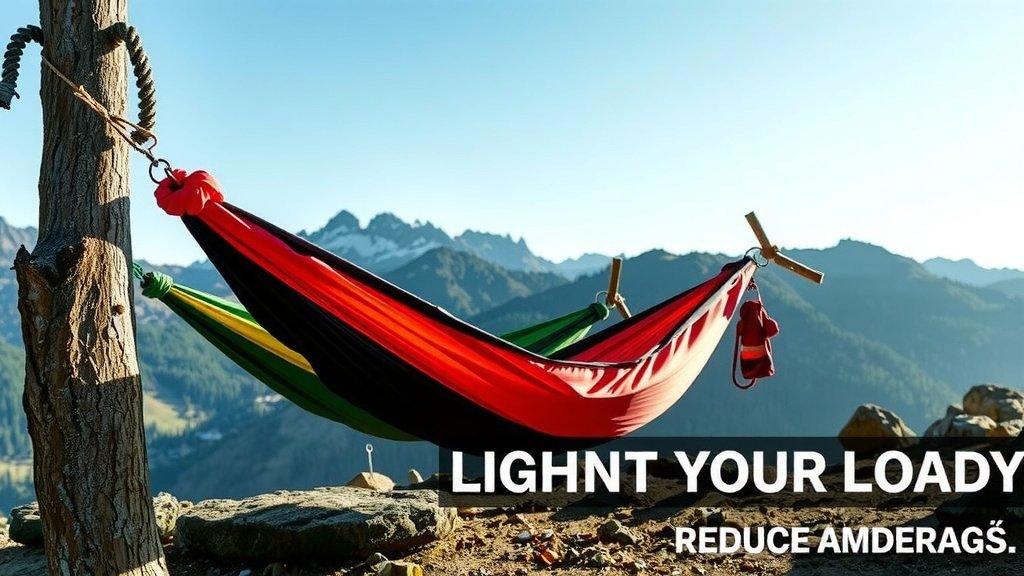
Reducing your hammock weight for backpacking is totally doable by focusing on lightweight materials and choosing versatile gear. You can shave off pounds by swapping out heavier components for ultralight options and packing only what you truly need. It’s all about smart choices to lighten your load.
When you’re hitting the trail, every ounce matters. We found that the hammock system itself can be a major weight contributor, but there are many ways to lighten it up. Think about your sleeping bag, insulation, and even your suspension system – these are key areas for weight reduction. Many backpackers are looking for ways to achieve this.
- Choose ultralight hammock materials.
- Opt for a lighter bug net and tarp.
- Consider a down sleeping bag or quilt.
- Use lightweight suspension straps.
- Pack only essential accessories.
Let’s walk through exactly how you can make these smart swaps to lighten your backpacking hammock setup.
Your hammock setup can be a dream for sleeping outdoors. But sometimes, that dream comes with a hefty price tag in terms of weight. When you’re backpacking, every single ounce feels heavier the farther you hike. Fortunately, you can trim down your hammock’s weight without sacrificing comfort or essential protection. Let’s look at how you can lighten your load for happier trails.
Slimming Down Your Backpacking Hammock Setup
Reducing your hammock weight for backpacking is all about making smart choices. You want to swap out heavier items for lighter ones. We found that focusing on a few key areas can make a big difference. This approach helps you enjoy the journey more.
Choosing a Lighter Hammock Body
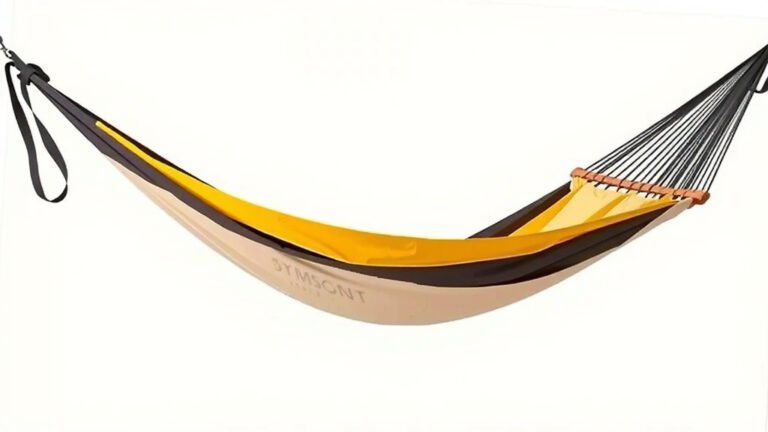
The main body of your hammock is where much of the weight comes from. Many standard hammocks are made from durable nylon fabrics. These are great, but they can add up in ounces. You can find hammocks made from much lighter materials.
Ultralight Fabric Options
Look for hammocks constructed from ripstop nylon or polyester in lighter deniers. Denier refers to the fabric’s thickness. A lower denier means a thinner, lighter fabric. For example, a 40-denier fabric is heavier than a 20-denier one. Many manufacturers now offer hammocks in the 1.0 to 1.5 ounce per square yard range.
We found that fabrics like Dyneema Composite Fabric (DCF) are incredibly light. They are also very strong and waterproof. However, DCF hammocks can be quite expensive. They are often the top choice for serious ultralight backpackers who prioritize weight above all else.
Another good option is a 100% polyester fabric. It’s often less expensive than DCF. It also has good strength-to-weight properties. You can find many comfortable and lightweight polyester hammocks available today. These are great for reducing weight on your back.
Reducing Weight in Your Suspension System
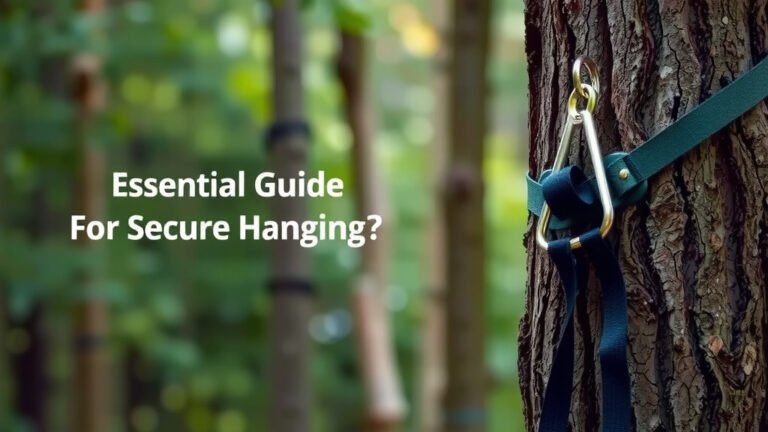
How you hang your hammock also adds weight. Straps that connect your hammock to trees are essential. Many come with heavy-duty buckles or carabiners. These add unnecessary bulk and weight.
Webbing Straps vs. Rope
Traditional polyester or nylon webbing straps are common. They are strong and generally easy to use. However, they can still be a bit heavy. For a lighter system, consider using whoopie slings or ultralight webbing.
Whoopie slings are made from incredibly strong and lightweight synthetic ropes, like Amsteel. They are adjustable and very strong. We found that a pair of whoopie slings can weigh significantly less than standard webbing straps. This is a popular swap among backpackers seeking to shave ounces.
Lightening Your Hardware
Carabiners are convenient but can add a surprising amount of weight. Many hammock suspension systems include them. You can often replace heavy steel carabiners with lighter aluminum ones. Even better, consider using a whoopie sling system that doesn’t require carabiners at all. This eliminates that weight entirely.
Your Sleep System: A Key Area for Weight Savings
Your sleeping bag or quilt is often one of the heaviest items in your pack. Hammock camping presents unique challenges for staying warm. The air circulates underneath you, making it colder than sleeping on the ground.
The Quilt Advantage
Many hammock campers find that a quilt is lighter than a traditional sleeping bag. Quilts don’t have sleeves or a full back. This saves on fabric and down fill. They are designed to wrap around you and create a warm pocket.
We found that quilts often pack down smaller, too. This is helpful for maximizing space in your backpack. Look for quilts with a good temperature rating for the conditions you expect. Down fill offers the best warmth-to-weight ratio.
Down Fill Power
When choosing a quilt or sleeping bag, pay attention to the fill power of the down. Higher fill power (e.g., 800 or 900) means the down is loftier and provides more warmth with less weight. We discovered that synthetic fills are warmer when wet, but down is generally much lighter for the same warmth rating when dry.
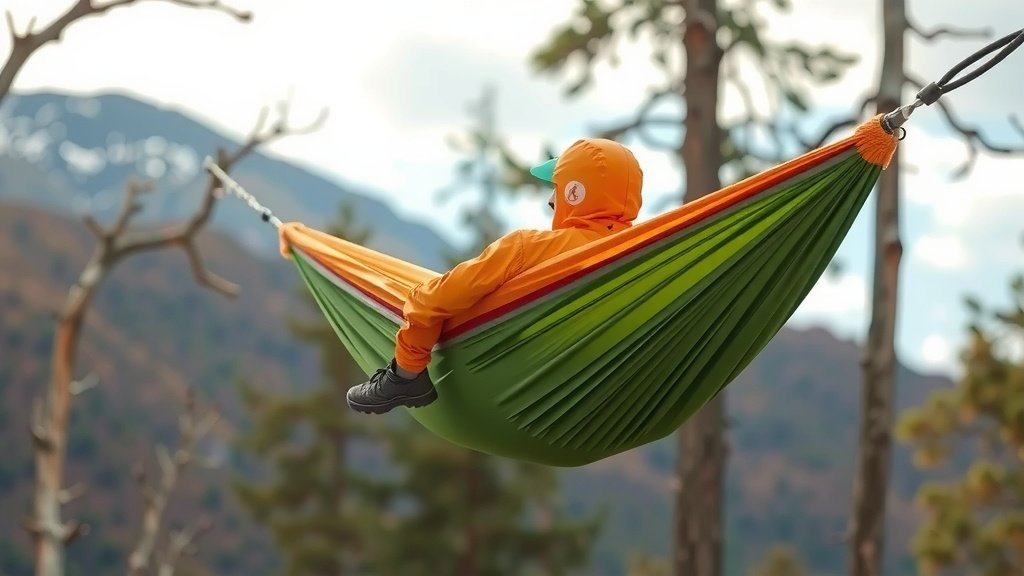
Lighter Protection: Bug Nets and Tarps
You need protection from bugs and the elements. However, these items can add significant weight. Smart choices here are important.
Ultralight Bug Nets
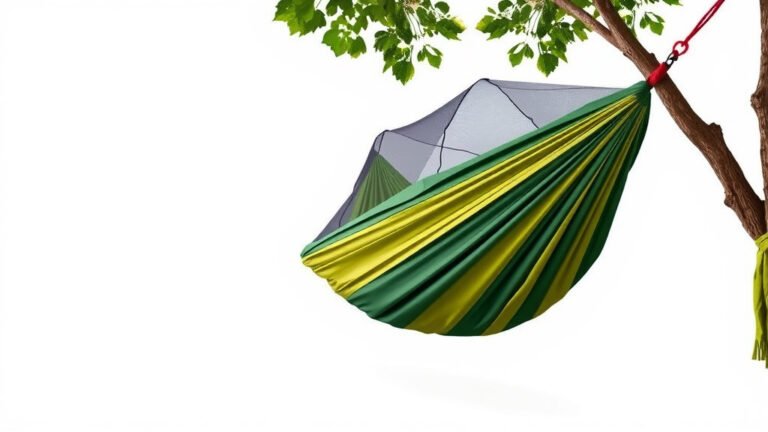
Many hammocks come with integrated bug nets. These can be heavy. Consider a separate, ultralight bug net. These are often made from very fine mesh materials. They can be hung inside or outside your hammock. We found that some models weigh only a few ounces.
Featherlight Tarps
Your tarp is crucial for rain and sun protection. Traditional silnylon tarps are good but can be heavy. For weight savings, look for tarps made from SilPoly or even DCF. SilPoly is a silicone-coated polyester that is lighter and more water-resistant than silnylon.
DCF tarps are the lightest and most waterproof option. However, they are also the most expensive. Many backpackers choose a lightweight SilPoly tarp. They offer a good balance of weight, durability, and cost. We found that a well-designed tarp can weigh under 10 ounces.
Essential Accessories: Pack Smart
Think about everything you bring along. Do you really need it all? Every little item adds up.
Minimizing Your Gear List
Leave behind non-essential items. Do you need a pillow, or can you use a stuff sack filled with clothes? Consider multipurpose items. For example, a bandana can be used for many things. Research your gear and choose the lightest option for each need.
We found that many campers bring extra items “just in case.” While a little preparedness is good, overpacking will slow you down. Make a list and review it critically before your trip. Ask yourself if each item truly serves a necessary purpose on the trail. This critical review often reveals items that can be left at home.
Here’s a quick checklist to help you lighten your hammock load:- Swap heavy straps for ultralight whoopie slings.
- Consider a down quilt instead of a bulky sleeping bag.
- Choose a hammock body made from lightweight ripstop nylon or polyester.
- Opt for a minimal, lightweight tarp.
- Bring only the most essential accessories and multipurpose items.
- Investigate ultralight bug nets if your hammock doesn’t have one.
Conclusion
You’ve learned how to significantly lighten your backpacking hammock setup. By focusing on ultralight materials and choosing versatile gear, you can make a big difference. Swapping heavier components for lighter options, like a down quilt and whoopie slings, directly reduces your load. Remember, every ounce counts when you’re on the trail. Take these tips and apply them to your gear for a more comfortable hike. Your next adventure will feel much lighter!
Frequently Asked Questions
Will switching to an ultralight hammock ruin my comfort?
Not at all! Many ultralight hammock fabrics are surprisingly comfortable and durable. Manufacturers focus on high strength-to-weight ratios. You can often find options that are just as cozy, if not more so, than heavier alternatives.
Are down quilts really much lighter than sleeping bags for hammocks?
Yes, down quilts are generally lighter. They use less material and fill compared to traditional sleeping bags. This design is perfect for hammock camping, where insulation from below is key but extra fabric adds weight.
How much weight can I realistically save by upgrading my suspension?
You can save a surprising amount, often several ounces, by switching to ultralight suspension systems like whoopie slings. These are made from strong, thin cordage and often eliminate the need for heavy carabiners.
Is Dyneema Composite Fabric (DCF) worth the high cost for a hammock?
DCF is incredibly light, waterproof, and strong, making it a top choice for ultralight enthusiasts. However, its high cost means it’s best for backpackers prioritizing weight above all else and have the budget for it. Lighter polyester options offer a good balance.
Can I use my ground camping gear with a hammock to save weight?
While some items can be adapted, dedicated hammock gear is usually lighter and more efficient. For example, a hammock quilt is designed for better insulation in suspension. Using ground gear might not provide the same comfort or warmth for your hammock setup.