How to Attach a Bug Net to Your Hammock Seamlessly
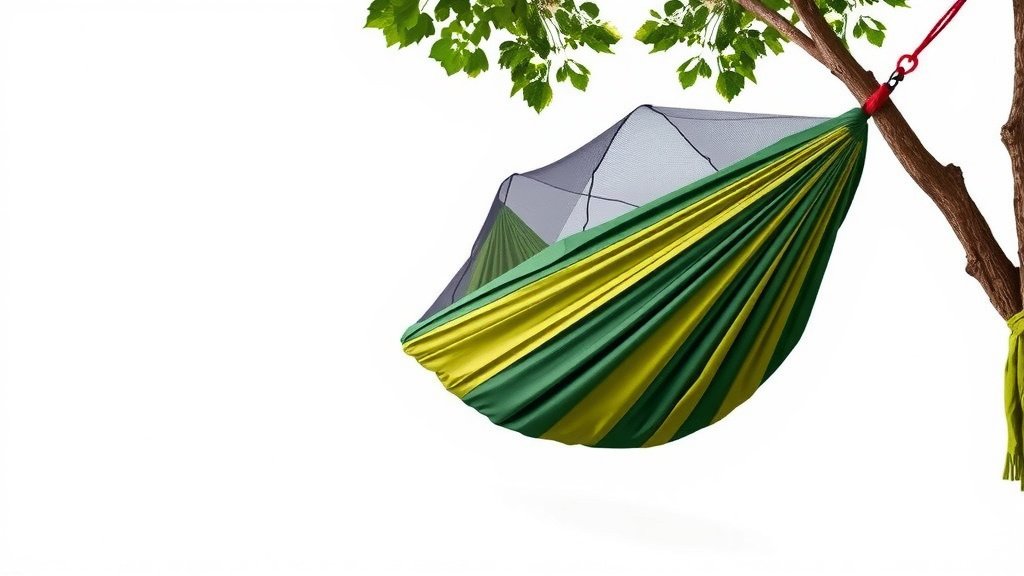
Attaching a bug net to your hammock is surprisingly simple. You can easily do it by tying the net’s ridgeline to your hammock suspension or by using dedicated clips and toggles. This creates a cozy, bite-free sanctuary wherever you hang your hammock. It’s a common setup many campers use.
A well-attached bug net protects you from pesky insects. It also adds a layer of privacy. Many hammock systems are designed with this in mind. We found that the best methods ensure the net stays taut and doesn’t sag. This keeps mosquitoes and other bugs out effectively. Proper attachment is key for comfort.
- Use the net’s built-in ridgeline.
- Attach the ridgeline to your hammock suspension.
- Consider using specialized clips or toggles.
- Ensure the net is snug and bug-proof.
- This makes for a more enjoyable camping trip.
Ready to keep those buzzing nuisances at bay? Let’s walk through the most common and effective ways to attach your bug net to your hammock so you can relax in peace.
Securing Your Bug Net: The Hammock Camper’s Guide
Keeping those buzzing insects away from your cozy hammock setup is a common concern for campers. Fortunately, attaching a bug net is usually a straightforward process. We found that the most effective methods focus on creating a taut barrier. This prevents mosquitoes and other critters from finding their way in. You’ll want a net that stays in place, even if you toss and turn a bit. Our guide can help you learn how to keep bugs out of your hammock.
Understanding Your Bug Net’s Anatomy
Most hammock bug nets share a few key features. Understanding these will make attachment much easier. Your net likely has a ridgeline. This is a cord running from one end of the net to the other. It helps maintain the net’s shape and keeps it away from your face. Many nets also have toggles, loops, or grommets. These are points where you can attach additional cords or carabiners.
The Importance of the Ridgeline
Think of the ridgeline as the backbone of your bug net. It’s designed to be suspended. This creates a more spacious interior. Without proper ridgeline tension, the net can sag. This creates gaps where bugs can enter. We found that a tight ridgeline is essential for a truly bug-free experience.
Types of Bug Net Attachments
There are a few primary ways people attach their bug nets. Each method works well depending on your hammock system and personal preference. We’ll cover the most common and effective approaches.
Method 1: Ridgeline to Hammock Suspension
This is perhaps the most common and simplest method. It relies on connecting your bug net’s ridgeline directly to your hammock’s suspension system. Your hammock suspension might be tree straps, whoopie slings, or a combination of ropes and carabiners.
Here’s how it generally works:
- First, hang your hammock as you normally would.
- Next, take the ridgeline cord of your bug net.
- You’ll want to attach each end of the ridgeline to a point on your hammock suspension. This could be where your tree straps connect to your hammock, or a separate loop on your suspension system.
- Use a secure knot, like a taut-line hitch or a bowline, to fasten the ridgeline. You want it to be snug.
- Ensure the ridgeline is level and doesn’t sag. This provides good headroom inside the net.
We found that using a separate, slightly longer ridgeline cord can give you more flexibility. This allows you to adjust the net’s position independently of your hammock. Some hammock manufacturers include dedicated loops on their suspension systems specifically for bug net ridgelines. Always check your gear!
Method 2: Using Dedicated Clips and Toggles
Many modern bug nets come with built-in features for easier attachment. These often include small toggles or clips. These are designed to connect to specific points on your hammock or suspension. It’s like a puzzle piece system designed for convenience.
The process usually looks like this:
- Hang your hammock and its suspension.
- Locate the attachment points on your bug net. These might be small loops, webbing tabs, or even built-in carabiners.
- Many bug nets have toggles that slide into a loop or grommet. You simply push the toggle through the attachment point.
- If your net has clips, you can often clip them directly onto your hammock suspension straps or the loops where your hammock attaches to the suspension.
- Adjust for a snug fit. You want to eliminate any gaps.
We found that this method is often quicker than tying knots. It’s great for when you’re setting up camp in the dark or when you’re in a hurry. Some campers like to add extra small carabiners or S-biners to these attachment points for a more secure connection. It’s a small change that can make a big difference.
Achieving a Bug-Proof Seal
No matter which attachment method you choose, the goal is the same: a complete seal. You don’t want any tiny gaps where mosquitoes can sneak in. They can be incredibly persistent!
Ensuring a Tight Fit Around the Hammock
Once the ridgeline is attached, pay attention to the bottom edges of the bug net. These edges often have elastic or drawstring closures. You’ll want to cinch these down tightly around the sides of your hammock. Think of it like closing a drawstring bag.
Here’s a quick checklist for a bug-proof seal:
- Tug on the ridgeline to ensure it’s taut.
- Check the bottom edges. Are they fully cinched?
- Look for any gaps along the sides or ends of the net.
- Use extra cordage or clips to secure any loose areas.
- Make sure the netting isn’t touching your skin inside the hammock.
We found that sometimes the net can sag in the middle. This might require adjusting the ridgeline tension. Adding a couple of extra tie-out points to the ground using small stakes or rocks can also help. This keeps the net pulled away from your body.
Common Challenges and How to Solve Them
Even with the best intentions, you might run into a few snags. Don’t worry, these are usually easy to fix. We’ve seen campers solve these common issues quite effectively.
Net Sagging in the Middle
If your ridgeline isn’t holding tension, the net can droop. This makes it feel smaller inside and can create openings. Try tightening your ridgeline knots. If that doesn’t work, consider using a slightly stiffer cord or a dedicated ridgeline organizer. Some people even use a shock cord for their ridgeline. This offers a bit more flex and tension adjustment.
Gaps at the Ends
The ends of your hammock can be tricky spots. Ensure the elastic or drawstring at the bottom of the net is pulled tight. You can also use a short piece of cord to tie the bottom edge of the net to a structural ridgeline or even a carabiner on your suspension. This helps seal off those escape routes.
Net Touching Your Face or Body
This is a surefire way to let bugs in, even if the net is intact. A well-tensioned ridgeline is your best friend here. Extending your hammock slightly can also help. If your net has tie-out loops along its sides, use them to pull the net away from the hammock. Anchoring these to the ground can create more interior space.
Research from outdoor gear experts often highlights the importance of a properly tensioned ridgeline. This simple cord is key to a comfortable, bug-free sleep. With a little practice, you’ll be attaching your bug net like a pro. You’ll be ready to enjoy peaceful nights under the stars, bite-free!

Conclusion
You’ve learned that attaching a bug net to your hammock is a simple yet essential step for a comfortable outdoor experience. We covered the two main methods: using your net’s ridgeline with your existing hammock suspension and utilizing specialized clips or toggles for a quicker setup. Remember, the key is to achieve a taut, bug-proof seal all around. With a little practice, you can confidently set up your bite-free sanctuary. Your next adventure awaits, so go ahead and get that net attached for peaceful nights under the stars!
Frequently Asked Questions
Can I use my hammock’s suspension instead of the bug net’s ridgeline?
While you can connect your bug net directly to points on your hammock suspension, most nets are designed with a ridgeline for optimal shape and tension. Using the net’s ridgeline, connected to your suspension, is generally the most effective way to keep the net taut and away from your face.
What if my bug net doesn’t have a ridgeline?
If your bug net lacks a built-in ridgeline, you can often add one. You might be able to thread a lightweight cord through existing loops or channels on the net. Alternatively, consider using an aftermarket hammock ridgeline and attach your net to that. We found this offers great flexibility.
How do I stop bugs from getting in through the bottom of the net?
Most bug nets have an elastic or drawstring closure at the bottom. You need to cinch these down tightly around the sides of your hammock. For extra security, you can use small stakes or rocks to anchor the bottom edges to the ground, ensuring no gaps remain.
Is it okay if the bug net touches my skin inside the hammock?
No, you should avoid having the bug net touch your skin. This can allow small insects to bite through or crawl inside. Ensure your ridgeline is well-tensioned and consider using side tie-outs if your net has them, to keep the netting pulled away from you.
Can I use a single tree strap for both my hammock and the bug net ridgeline?
It’s generally best to have separate attachment points for your hammock suspension and your bug net ridgeline. While you might be able to loop the ridgeline through a carabiner on the tree strap, this can compromise tension. Dedicated attachment points on the suspension or separate tie-offs provide a more secure and taut setup.