What Is A Tree Strap: Essential Guide For Secure Hanging
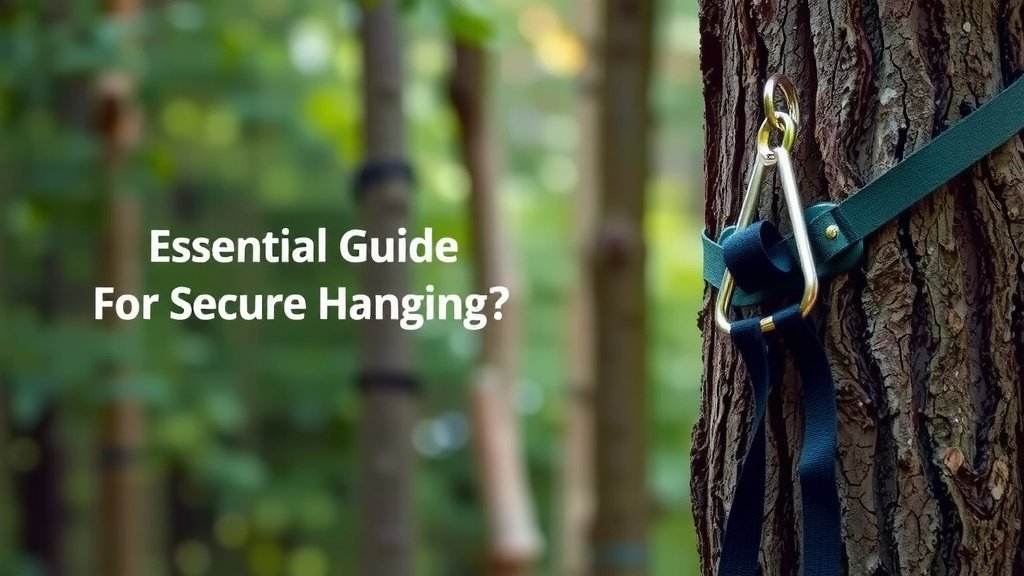
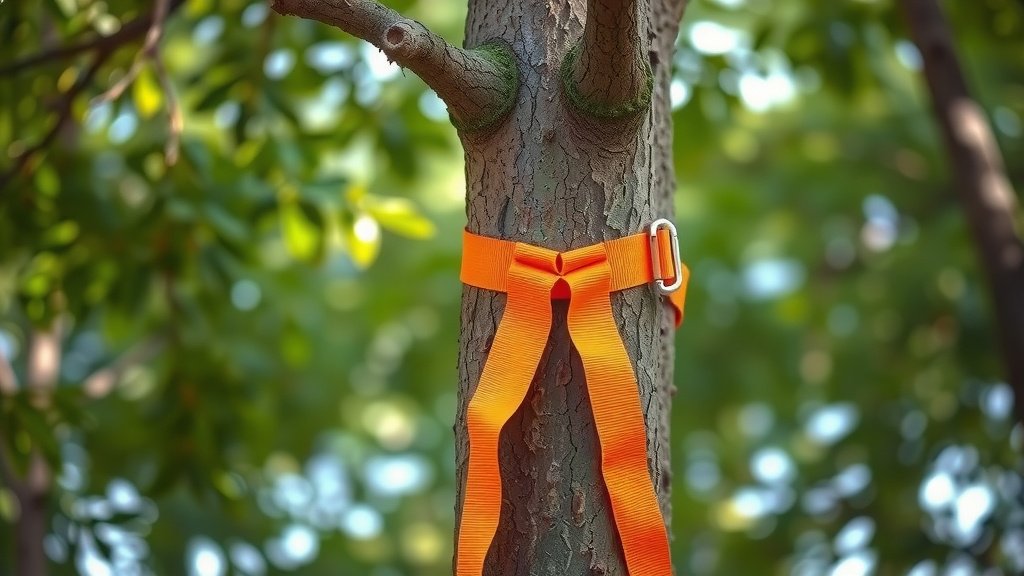
A tree strap is a specialized webbing or rope designed to hang items, like a hammock or a tire swing, from a tree branch. It’s made to be gentle on tree bark while holding weight securely. You might also hear them called hammock straps or tree savers.
Unlike nails or screws, which can harm the tree, tree straps provide a safer attachment method. They distribute the weight evenly, reducing the risk of damage. Many outdoor enthusiasts rely on them for their camping and relaxation gear.
Here’s a quick rundown of what tree straps are all about:
- They are straps for attaching things to trees.
- They protect the tree’s bark.
- They are safer than using nails or screws.
- They are commonly used for hammocks.
Ready to learn more about how these handy straps work and why they’re a great choice for enjoying the outdoors? Let’s get into the details.
Understanding Tree Straps: Your Guide to Safe Hanging
So, what exactly is a tree strap? Think of it as a super-strong, yet super-gentle, belt for your favorite tree. It’s designed to help you hang things from a tree branch without causing any harm. These aren’t just any old ropes; they are made from durable webbing material.
The main job of a tree strap is to distribute the weight of whatever you’re hanging. This means it won’t dig into the bark like a thin rope might. Keeping your trees healthy is a big part of enjoying the outdoors. Tree straps help you do just that.
The Anatomy of a Tree Strap
Let’s break down what makes up a typical tree strap. It’s a simple tool, but its design is smart.
Material Matters: Webbing vs. Rope
Most tree straps are made from strong, synthetic webbing. Nylon or polyester are common choices. This material is chosen for several reasons. It’s incredibly durable and resistant to stretching. It also spreads pressure evenly across a wider surface area.
You might sometimes see ropes used, but dedicated tree straps almost always use webbing. This is because a narrow rope can cause girdling. Girdling is when the rope cuts into the tree’s vital inner layers. That’s something we definitely want to avoid.
Key Features for Tree Health
A good tree strap has a few important features. First, it’s wide. Wider straps mean less pressure on the tree’s bark. Many are 1 inch wide or even wider. This helps prevent damage. Second, they are designed to be abrasion-resistant. This means they won’t fray easily, even with constant use.
Look for straps with strong stitching. This ensures they can handle a lot of weight. Some straps also come with loops or rings. These make attaching your hammock or other item much easier. It’s all about creating a secure connection that respects the tree.
Why Choose Tree Straps Over Other Methods?
You might wonder why you shouldn’t just tie a rope directly to a branch. The answer lies in protecting the tree. Using nails, screws, or even thin ropes can really hurt a tree.
Protecting the Bark and Inner Layers
The bark is like the tree’s skin. It protects the inside from insects and disease. When you puncture it or wrap something too tightly, you create an open wound. This can lead to infections. Many sources agree that avoiding tree damage is key to their long-term health (U.S. Forest Service).
Tree straps, with their wide design, minimize this risk. They act as a buffer. They prevent the strap from digging into the bark. This is a gentle approach that keeps the tree happy and healthy for years to come. Think of it like wearing a wide belt instead of a thin wire.
Weight Distribution is Key
A significant benefit of tree straps is how they distribute weight. Instead of concentrating all the force on one small point, the weight is spread out. This reduces stress on the branch and the tree trunk.
This even distribution is vital for preventing breakage. It ensures that both the strap and the tree can handle the load safely. This is a core principle in rigging and load-bearing applications, even on a small scale like hanging a hammock (Occupational Safety and Health Administration).
Common Uses for Tree Straps
You’ll find tree straps are incredibly versatile. They are designed for outdoor enjoyment and relaxation.
Hammocks: The Classic Choice
Hammocks are perhaps the most popular item to hang with tree straps. They provide a quick and easy way to set up a comfortable spot to relax. You can hang your hammock between two trees in your backyard or at a campsite.
The ease of use is a big draw. You can set up your hammock in minutes. When you’re done, you can take it down just as quickly. No tools are needed, and no trees are harmed. It’s a win-win situation for campers and backyard loungers.
Beyond Hammocks: Swings and More
Tree straps aren’t just for hammocks. They are perfect for hanging tire swings, hanging chairs, or even decorative items like lanterns. If you can find a sturdy branch, a tree strap can help you hang it securely.
For a tire swing, a tree strap offers a much safer alternative to drilling holes. It distributes the weight of children swinging. This is crucial for safety. Always ensure the branch you choose is strong enough for the intended use.
What to Look for When Buying Tree Straps
Not all tree straps are created equal. Here’s what you should consider to make a good choice.
Weight Capacity: How Much Can It Hold?
Always check the weight capacity of the tree strap. Most are rated for hundreds of pounds, often 500 lbs or more. Make sure the strap’s capacity exceeds the weight of the item you plan to hang, plus the weight of anyone using it. It’s better to have more capacity than you need for added safety.
Length and Width: Ensuring a Good Fit
Consider the length of the straps. Longer straps give you more flexibility in choosing where to hang your item. They are especially useful if the trees are far apart. Width is also important for protecting the tree. Aim for straps that are at least 1 inch wide, with 1.5 inches or more being even better.
Ease of Use and Durability
Look for straps that are easy to use. Features like pre-sewn loops or carabiner-friendly rings can make setup a breeze. Check reviews for comments on durability and how well the straps hold up over time. Materials like reinforced stitching and UV-resistant webbing are good indicators of quality.
A Quick Checklist for Your Tree Strap Setup
Ready to get your tree strap and start hanging? Here’s a quick checklist to keep in mind:
- Choose straps with a high weight capacity.
- Opt for wide webbing to protect tree bark.
- Inspect stitching for reinforcement.
- Select a length that suits your needs.
- Always use sturdy, healthy tree branches.
- Double-check your setup before use.
Conclusion
You’ve learned that tree straps are essential tools for anyone who loves hanging things from trees. They offer a safe and tree-friendly way to enjoy hammocks, swings, and more. By choosing wide webbing and checking weight capacities, you ensure both your safety and the tree’s health. Remember, using tree straps means you can relax knowing you’re making a responsible choice for your outdoor adventures. So, go ahead and hang something fun, guilt-free!
Frequently Asked Questions
Can any rope be used as a tree strap?
While you can tie a rope, it’s generally not recommended for long-term tree health. Thin ropes can dig into the bark, causing damage called girdling. Dedicated tree straps are designed with wide webbing to spread pressure evenly and protect the tree’s bark.
How wide should a tree strap be?
For optimal tree protection, look for straps that are at least 1 inch wide. Many popular options are 1.5 inches or even 2 inches wide. This wider surface area distributes the weight more effectively, reducing stress on the tree.
What is the weight limit for a typical tree strap?
Most tree straps are designed to hold a substantial amount of weight, often rated for 500 pounds or more per strap. Always check the manufacturer’s specifications to ensure the strap’s weight capacity exceeds the combined weight of the item you’re hanging and the people using it.
Are tree straps safe for young or old trees?
Yes, tree straps are considered safe for trees of all ages. Their design prioritizes the tree’s health by avoiding punctures and minimizing pressure on the bark. This makes them a preferred method over nails, screws, or thin ropes for any tree.
How do I set up a tree strap correctly?
To set up a tree strap, wrap it around a sturdy, healthy tree branch. Then, thread the end through its loop or connect it to your hammock or item using a carabiner or S-hook. Ensure the strap is snug but not excessively tight, and double-check the connection before putting weight on it.