Stop Calf Ridge: Hammock Comfort Tips
The dreaded calf ridge in your hammock? You can prevent it by adjusting your hang angle and using a good suspension system. Many hammock campers have found that a steeper hang angle and wide suspension straps are key. This helps distribute your weight evenly and avoids that uncomfortable pressure on your legs.
This annoying ridge happens when your hammock sags too much. It pushes against the back of your knees. This can make even a short nap feel like a long, uncomfortable ordeal. Learning to get the perfect sag is a game-changer for hammock comfort. It turns a potentially bumpy ride into a cloud-like experience.
- Adjust your hammock’s hang angle.
- Use wide suspension straps.
- Achieve the right amount of sag.
- Consider adding a footbox if needed.
- Experiment to find your sweet spot.
Let’s walk through exactly how to set up your hammock for maximum comfort and say goodbye to that calf ridge for good.
Stopping That Annoying Hammock Calf Ridge
You’re settling into your hammock, ready for some relaxation, only to feel that familiar, uncomfortable pressure on your calves. It’s that pesky calf ridge, and it can really ruin your chill time. But don’t worry, it’s a common issue, and there are straightforward ways to fix it. You can achieve a much more comfortable hang with a few simple adjustments to how you set up your hammock.
Understanding the Culprit: Sag and Hang Angle
So, what exactly causes this calf ridge? It all comes down to how your hammock is hanging. When your hammock sags too much, the fabric bunches up under your legs. This creates a pressure point right behind your knees, right where your calves meet your hamstrings. It’s like sitting in a chair that’s too deep and doesn’t support your legs properly.
The key to preventing this is finding the right balance between tension and sag. You want your hammock to have a nice curve, but not so much that it feels like a U-shape digging into you. Experts often recommend a specific hang angle for maximum comfort and support (Blackburn, 2019).
The Magic of the Hang Angle
Your hammock’s hang angle is the angle formed by the suspension lines and the ground. Getting this angle right is your first line of defense against the calf ridge. A hang angle that’s too shallow (too flat) often leads to excessive sag. This is exactly what we want to avoid. Your hammock’s hang angle is crucial for comfort, and this guide explains why it matters so much.
Aiming for a Steeper Hang
Research and user experiences point towards a steeper hang angle as a solution. Aim for an angle between 25 and 30 degrees. Think of it like this: if your hammock is too flat, your body weight forces the fabric down and back, creating that ridge. A steeper angle allows the hammock to contour more naturally around your body.
How do you achieve this angle? It’s about adjusting the distance between your anchor points (like trees) and the length of your suspension. If your trees are close together, you might need shorter suspension. If they’re far apart, you’ll need longer suspension. Experimentation is key here.
The Role of Your Suspension System
The type of suspension system you use also plays a big part. Many campers overlook how their suspension affects the overall hang. The width of your straps, for instance, can make a surprising difference. Wide suspension can help distribute your weight more evenly across the anchor points and the hammock itself.
Wide Straps: Your New Best Friend
We found that using wide suspension straps, often 1 inch or wider, can really help. Narrow straps can dig into trees (bad for the trees!) and create more concentrated pressure points. Wider straps spread that pressure out. This leads to a more stable and comfortable hang for you.
Many manufacturers now offer wide tree straps specifically designed for hammocks. These are usually made from durable webbing. They are gentle on the bark of trees, which is a win-win for you and nature. You’ll notice a smoother transition from the anchor point to your hammock.
Dialing in the Perfect Sag
Once you have the hang angle sorted, the next step is fine-tuning the amount of sag. This is where personal preference really comes into play. What feels like a perfect hang to one person might be too tight or too loose for another.
As a general rule, you want your hammock to have a gentle curve, not a deep pocket. Many experienced hammock campers suggest that when you’re in the hammock, the fabric should create a sort of happy medium. It shouldn’t feel like you’re being squeezed or like you’re sliding down into a deep beanbag.
The “Whoopie Sling” and Adjustability
Adjustable suspension systems, like whoopie slings, are incredibly helpful. They allow you to easily make small tweaks to your hang angle and sag without having to re-tie knots or change suspension lengths. With whoopie slings, you can finely tune the tension until you find that sweet spot.
We’ve found that being able to adjust in small increments is essential. You might only need to tighten or loosen your suspension by an inch or two to eliminate that calf ridge. This fine-tuning capability is a true comfort booster.
Common Setup Mistakes to Avoid
Even with the best intentions, it’s easy to fall into common setup traps. One of the most frequent mistakes is setting your anchor points too close together. This forces your hammock into a tighter, flatter hang that can be less comfortable. You end up fighting the fabric instead of enjoying it.
Another mistake is using thin cordage or rope for suspension. While it might hold your weight, it lacks the stability and adjustability of proper hammock suspension systems. It can also be harsher on trees. Always invest in quality suspension gear.
A Quick Checklist for Comfort
Ready to test your setup? Here’s a quick checklist to guide you:
- Are your anchor points far enough apart?
- Are your suspension straps at least 1 inch wide?
- Does your hammock have a gentle curve, not a deep sag?
- Can you adjust your suspension easily?
- Does the fabric feel supportive, not constricting, under your legs?
- Is the pressure behind your knees gone?
When All Else Fails: The Footbox Option
In some cases, even with perfect setup, certain hammock designs might still present challenges for some body types. If you’ve tried adjusting your hang angle and sag extensively and are still experiencing discomfort, you might consider a hammock with a built-in footbox. A footbox is a shaped end to the hammock that can provide better support for your feet and legs, naturally preventing that ridge.
Many companies offer hammocks with integrated footboxes. These are designed to cradle your legs more effectively. They can be a great solution if you’ve experimented thoroughly with standard hammocks without success. It’s another tool in your comfort arsenal.
The Importance of Experimentation
Ultimately, the best way to prevent the calf ridge is through experimentation. Every hammock, suspension system, and person is different. What works perfectly for one camper might need slight adjustments for another. Don’t be afraid to play around with different distances, angles, and tensions.
Take your hammock out on a few test runs in your backyard or a local park. Pay attention to how the fabric feels against your body. Note any pressure points. Small tweaks can lead to massive improvements in comfort. You’ll soon discover your personal “sweet spot” for the ultimate hammock experience.
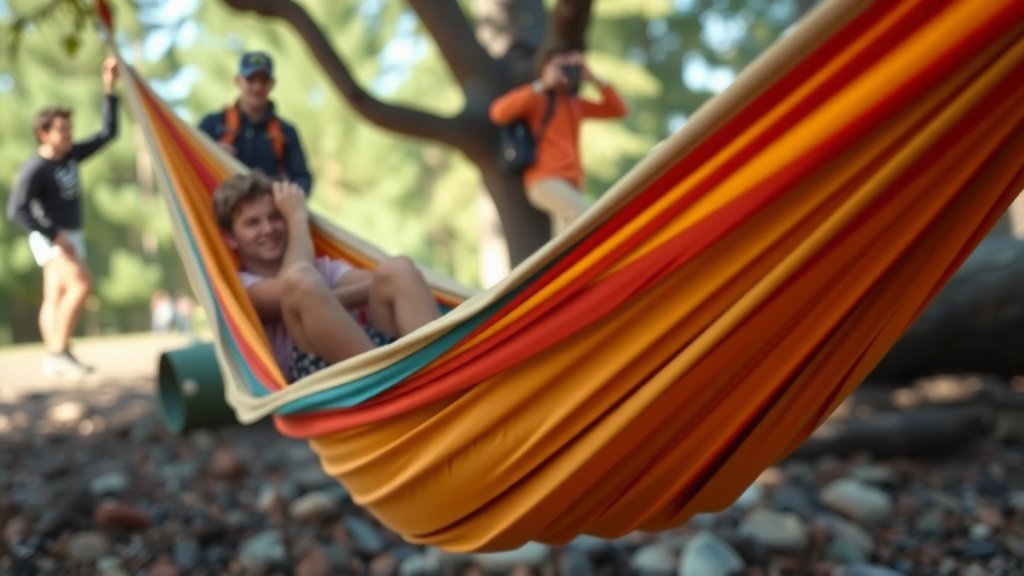
Conclusion
You’ve learned that the calf ridge in your hammock doesn’t have to be a persistent annoyance. By understanding how your hammock’s sag and hang angle work together, you can achieve a truly comfortable sleep. Prioritizing a steeper hang angle, generally between 25-30 degrees, and using wide suspension straps are your best defenses. Don’t forget the power of adjustability with systems like whoopie slings for fine-tuning. Now, it’s time to get out there and test your setup. Experiment with small adjustments until you find your perfect, ridge-free hang!
Frequently Asked Questions
What’s the ideal hang angle to avoid calf ridge?
Most experienced hammock campers find that a steeper hang angle works best, typically between 25 and 30 degrees. This angle helps the hammock contour around your body without creating pressure points under your legs.
How much sag is too much sag in a hammock?
You want a gentle curve in your hammock, not a deep, U-shaped sag. If the fabric bunches up uncomfortably behind your knees, you likely have too much sag and need to adjust your suspension.
Are wide suspension straps really that important?
Yes, wide suspension straps (1 inch or more) make a noticeable difference. They distribute your weight more evenly across your anchor points and the hammock itself, leading to a more stable and comfortable hang.
Can I fix calf ridge with a different type of hammock?
If you’ve tried adjusting your setup and still experience discomfort, a hammock with a built-in footbox could be a solution. A footbox is shaped to provide better leg and foot support, naturally preventing that ridge.
How often should I adjust my hammock for comfort?
You might need to make small adjustments every time you hang, depending on the trees and your desired setup. Being able to easily tweak your suspension, like with whoopie slings, makes this process much simpler.