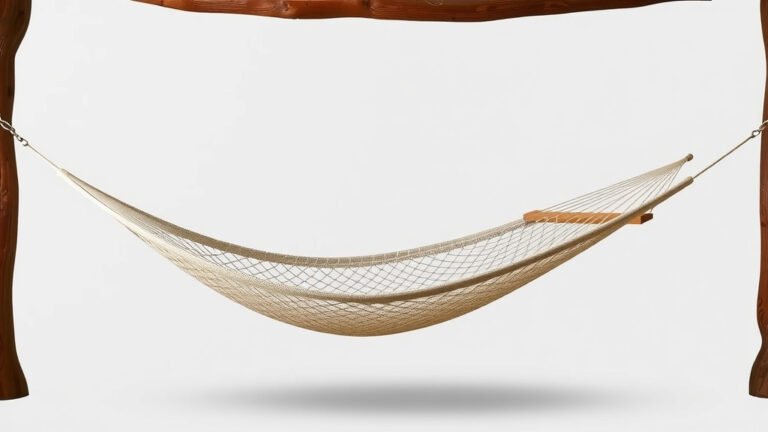

What Is a 12 Foot Hammock Tarp? Sizes and Uses Explained
A 12 foot hammock tarp is a large, weatherproof cover that hangs over your hammock to block rain, wind, and sun. The “12 foot” refers to its length, which gives you extra coverage from head to toe and beyond. Think of it as a rain jacket for your hammock, only much bigger.
So why does size matter? We researched this question and found that a 12 foot tarp covers longer hammocks and gives more ridge line overhang on both ends. That means fewer wet feet when the rain blows in sideways. It’s a favorite among campers and backpackers who don’t want to wake up damp at 3 a.m.
TL;DR — Quick takeaways:
- A 12 foot hammock tarp is a rain and wind cover that sits above your hammock. Wondering if you need one at all? Our guide to when to use a hammock tarp breaks down the weather and trip types that justify carrying one.
- The extra length protects longer hammocks and blocks sideways rain better.
- Most are made of lightweight nylon or polyester with a waterproof coating.
- They come in shapes like rectangles, hexagons, and asymmetrical designs.
- Choosing the right one comes down to weight, coverage, and your budget.
Below, we break down everything you need to know about 12 foot hammock tarps — what they do, when you need one, and how to pick the right fit for your setup. Let’s dive in.
Why a 12 Foot Tarp Beats Smaller Sizes
A 12 foot tarp wins because it gives you overhang on both ends of your hammock. That extra fabric acts like an umbrella that actually covers your whole body, not just your torso. We found that campers with 8 foot tarps often deal with wet gear bags and damp foot ends.
Here’s the simple math. Most camping hammocks run 9 to 11 feet long. Add ridgeline overhang of a foot or more on each side, and a 12 foot tarp fits just right. Smaller tarps force you to pitch them lower, which blocks your view and traps less airflow.
There’s a comfort angle too. A wider, longer tarp creates a livable space, almost like a tiny porch. You can sit up, cook under it in light rain, and store your pack dry.
Common Shapes and How They Differ
Shape changes how your tarp handles wind and rain. We found three main styles dominate the market, and each has a personality of its own.
Rectangle (Square) Tarps
The rectangle tarp is the do-it-all option. Think of it as the duct tape of tarps. You can pitch it in a dozen different ways, from a low storm mode to a high, airy canopy.
The trade-off? It’s usually a bit heavier and has more corners to stake out. For car camping, that’s no big deal. For long hikes, every ounce counts.
Hex Tarps
A hex tarp has six sides, which cuts weight and stake count. It’s shaped to hug the hammock’s curve, so coverage stays solid where it matters. Many backpackers start here.
Asymmetrical and Door Tarps
Asymmetrical tarps angle over one side of your hammock, which works well for side sleepers who want a quick exit. Some models add “doors” that wrap around for near-total coverage. These feel more like a tent, but they cost more and weigh more too.
Materials: What Your Tarp Is Made Of
Most 12 foot tarps use nylon or polyester with a waterproof coating like silicone (silnylon) or polyurethane. Silnylon is light and packs small. Polyester stretches less when wet, so it stays taut overnight.
A newer option is Dyneema composite fabric. It’s waterproof, ultra-light, and expensive. We found that weekend campers are usually happy with coated nylon, while thru-hikers tend to splurge on the fancy stuff.
One more thing to check: reinforced tie-out points. Cheap tarps fail at the seams and guy-out loops first. Many experts say bar-tacked or taped reinforcements are worth the small price bump.
How to Choose the Right 12 Foot Tarp for You
Shopping gets easy when you narrow it down to three questions. Ask yourself these before clicking “buy.”
Weight vs. Coverage
Heavier tarps (over 20 ounces) usually mean tougher fabric and better storm performance. Ultralight options drop below 10 ounces but can feel flimsy in gusts. Decide what your trips actually demand.
Weather You’ll Face
Camping in the Southeast during storm season? Go bigger and go low. Dry Southwest deserts? A simple hex tarp gives shade and breeze. Research from the National Weather Service shows that sudden storms can dump heavy rain fast, so it pays to pitch properly the first time.
Quick Buy Checklist
- Measure your hammock length before ordering.
- Check the packed size fits your pack or trunk bin.
- Confirm it comes with guy lines and stakes (or budget for them).
- Look for reinforced tie-outs and double-stitched ridgeline seams.
- Match the waterproof rating to your weather — 1500mm or higher is a solid baseline.
- Read recent reviews for real-world wind performance.
How to Pitch a 12 Foot Tarp the Right Way
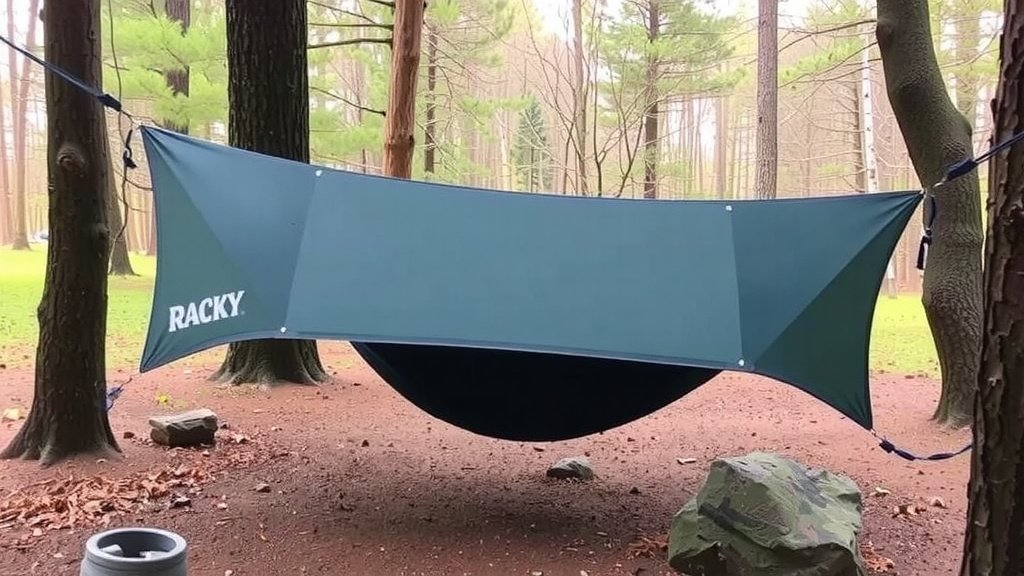
The classic setup is an A-frame ridgeline. Tie your ridgeline between two trees at head height, then drape the tarp over it and stake the corners. Done in ten minutes with practice.
Want better rain protection? Drop the windward side low. This “storm mode” blocks sideways rain that would soak your quilt. On calm nights, raise everything up for airflow and views.
Pitch angle matters more than people think. A steep angle sheds water; a flat angle collects it like a bowl. Many guidelines suggest at least a 30-degree side angle when rain is in the forecast (National Weather Service).
Common Mistakes to Avoid
Even seasoned campers slip up sometimes. Here are the errors we see most often, plus easy fixes.
Pitching Too High
A tarp pitched at eye level looks pretty until rain blows in. Keep the edges lower than you think you need when weather threatens.
Ignoring Wind Direction
Set your tarp so the solid side faces the wind. Arrive early, check the forecast, and pick your trees with intention.
Skipping Drip Lines
Untreated guy lines funnel water straight to your hammock. Add small drip knots or rubber guides on each line. It’s a two-minute job that saves your night.
Care and Storage Tips to Make It Last
Treat your tarp well and it’ll treat you well for years. Always let it dry completely before packing it away. Storing it damp invites mildew, and mildew smells like a forgotten gym bag.
Wash it with plain water and a soft cloth when needed. Skip the harsh detergents, since they can strip the waterproof coating. For long-term storage, keep it loosely folded in a cool, dry spot rather than crammed in a stuff sack.
Inspect tie-outs and seams at the start of each season. A $5 tube of seam sealer beats replacing a $150 tarp any day.
Cost: What You Can Expect to Pay
Prices vary a lot, and honestly, you get what you pay for. Here’s a quick breakdown to set expectations.
| Tier | Price Range | What You Get |
|---|---|---|
| Budget | $25–$60 | Coated polyester, basic shape, decent for casual trips |
| Mid-range | $60–$150 | Silnylon or silpoly, better tie-outs, lighter weight |
| Premium | $150–$400+ | Dyneema, ultralight, storm-tested designs |
For most campers, the mid-range tier hits the sweet spot. You get reliable weather protection without the sticker shock.
When a 12 Foot Tarp Isn’t the Right Pick
Sometimes bigger isn’t better. If you run a short hammock or camp mostly in calm, dry weather, a 10 or 11 foot tarp may be plenty. It’ll pack smaller and cost less.
Also, ultralight backpackers counting every gram might prefer a smaller hex. And if you mostly camp in established sites with wooden posts or stands, a giant tarp can feel like overkill.
Ask yourself one honest question: where do you actually camp, and what does the sky usually do there? Match the tarp to your real trips, not your dream ones. Your back, and your wallet, will thank you.
Conclusion
A 12 foot hammock tarp is the upgrade that turns a good hammock setup into a dry, comfortable one. You now know why the extra length matters, which shapes suit which campers, and what materials hold up in real weather. You also know how to pitch it right, care for it, and what a fair price looks like.
Here’s our honest advice: measure your hammock, be honest about the weather you actually camp in, and pick the tier that matches your budget. Then take it on a local overnight before a big trip. Practice your pitch at home first, and you’ll be glad you did when the rain rolls in for real.
Frequently Asked Questions
Can I use a 12 foot tarp with a tent instead of a hammock?
You can, and some campers do. It works well as a group shelter over a picnic table or a two-person tent in light rain. Just know the coverage is shaped for a hammock’s ridgeline, so pitching it over a tent takes more creativity and stakes.
Do 12 foot tarps come with stakes and guy lines included?
Sometimes, but not always. Budget and mid-range tarps often include basic stakes and cord, while premium models frequently sell them separately. Always check the product list before you order so you’re not caught short at the campsite.
Is a 12 foot tarp too big for solo backpacking?
It depends on your priorities. A silnylon or Dyneema 12 footer can weigh under 12 ounces, which many solo hikers find acceptable. If you count every gram and camp in dry regions, a smaller hex tarp may serve you better.
How high should I hang the ridgeline for a 12 foot tarp?
Start with the ridgeline roughly at chest or shoulder height, then adjust from there. You want enough headroom to sit up, but edges low enough to block blowing rain. With a 12 foot tarp, you have slack to play with, so experiment.
Will a 12 foot tarp work with a hammock stand or posts?
Usually, yes. Many stands include attachment points for tarps, and some posts let you clip a ridgeline on top. If yours doesn’t, you may need a separate tarp frame or nearby trees to anchor the ridgeline properly.