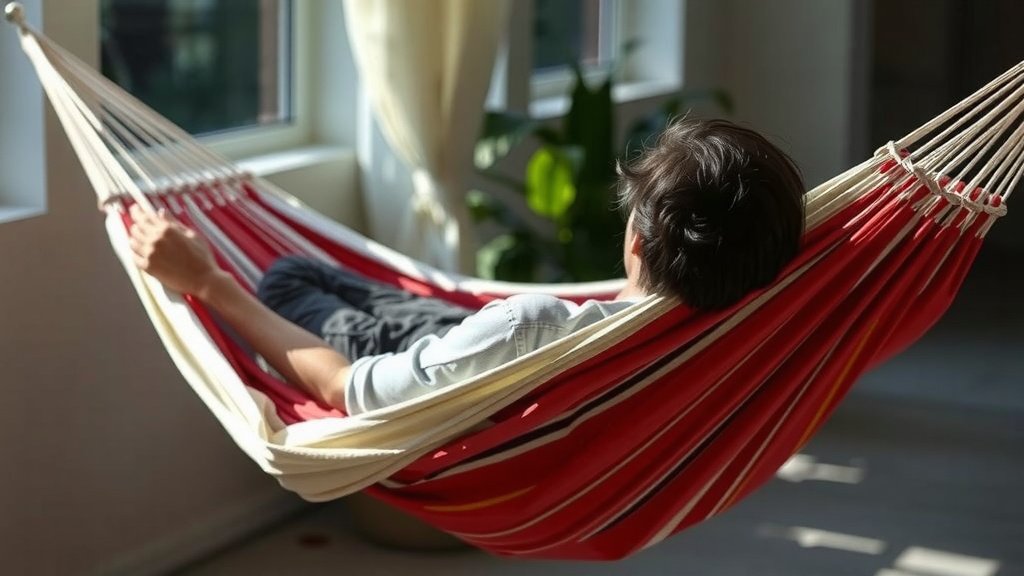
Hammock Sleeping: Is It Bad For Your Health
Sleeping in a hammock is not necessarily bad for you, and can even be quite comfortable for many. While it’s not ideal for everyone’s sleep posture, hammocks offer unique benefits like gentle rocking and reduced pressure points. We found that for short naps or occasional sleeping, hammocks are generally fine.
The key is how you position yourself. A poorly set-up hammock can lead to back pain or discomfort. However, when used correctly, many people find hammocks promote a deeper, more restful sleep. It’s less about the hammock itself being “bad” and more about how your body interacts with it.
- Hammocks can be comfortable for short sleeps.
- Proper setup is important for avoiding pain.
- Gentle rocking may help you fall asleep faster.
- Some people find hammocks better than beds for naps.
So, is your hammock trying to sabotage your sleep? Let’s break down what the research says and how you can get the best sleep possible in your cozy cocoon.
Can Sleeping in a Hammock Hurt Your Back?
Your spine might not be screaming for mercy when you sleep in a hammock. Many people worry about back pain, but research shows it’s often about how you set up your hammock. When done right, a hammock can actually support your natural curves.
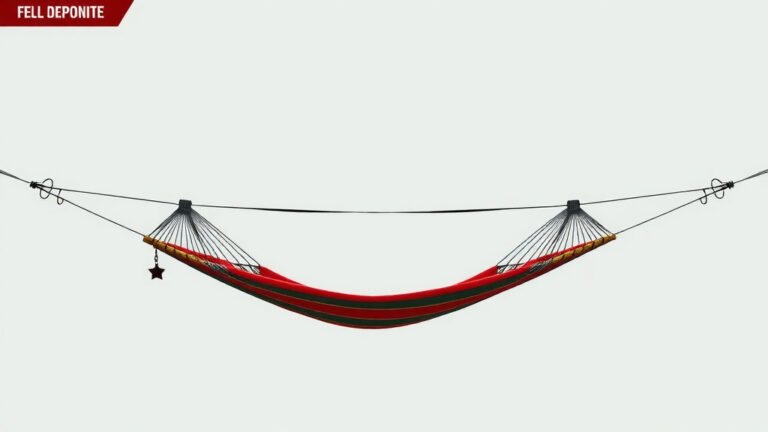
The key is achieving a good hang. This means your hammock shouldn’t be too tight or too loose. Experts suggest a hang angle of around 30 degrees. This allows your body to lie flatter, reducing pressure on your spine. The ideal hang angle is crucial for comfort and support.
The Science Behind Hammock Comfort
Unlike a flat mattress, a hammock conforms to your body. This can distribute your weight more evenly. This is especially good for side sleepers who often get pressure points on their hips and shoulders.
Reducing Pressure Points
Think of a mattress. It’s firm and can push back against your body. This creates areas of high pressure. A hammock, however, cradles you. It reduces these concentrated spots. This can lead to a more comfortable and less disturbed sleep.
The Gentle Rocking Motion
Have you ever been rocked to sleep as a child? That gentle sway is incredibly soothing. Hammocks offer this naturally. This rhythmic motion can calm your nervous system. It may even help you fall asleep faster.
Potential Downsides and How to Avoid Them
While hammocks offer benefits, they aren’t perfect for everyone. Some people find them uncomfortable. This is often due to poor setup or personal sleep habits. Let’s look at common issues.
The “Banana” Effect and Spinal Alignment
If your hammock is hung too tightly, you can end up in a C-shape. This is sometimes called the “banana effect.” This position forces your spine into an unnatural curve. It can lead to back stiffness and pain. To avoid this, ensure your hammock has a relaxed hang. You should be able to lie mostly flat.
Side Sleepers and Hammock Angles
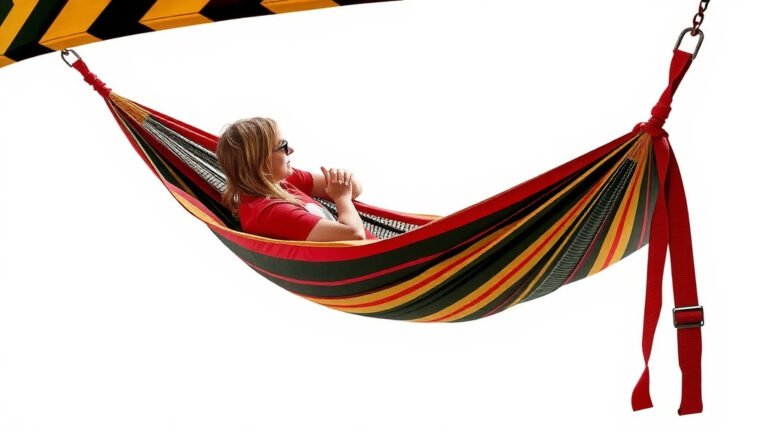
Side sleepers can sometimes find hammocks tricky. They might feel pressure on their hips. The trick is finding the right angle. You want to lie across the hammock diagonally. This flattens the bed of the hammock. It creates a more comfortable surface for your body.
Getting In and Out Safely
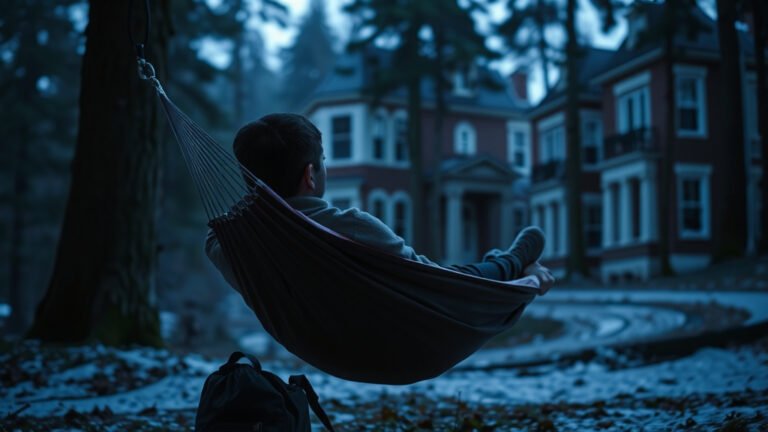
Waking up and rolling out of a hammock can be an adventure. Some people end up tumbling out. This can cause injury. Always sit up slowly. Use your hands to brace yourself. It’s a bit like getting out of a comfortable armchair.
Who Benefits Most from Hammock Sleeping?
Hammocks seem to be a good fit for certain individuals. Nappers often love them. People seeking a unique sleep experience also find joy. Travelers also appreciate their portability.
Napping Pros
For a quick afternoon nap, a hammock can be fantastic. The gentle rocking can lull you to sleep quickly. You often wake up feeling refreshed. Many users report deeper naps than on a bed. This is probably due to the reduced stimulation and calming motion.
Travelers and Outdoor Enthusiasts
Hammocks are lightweight and easy to pack. This makes them ideal for camping or backpacking. They offer a comfortable place to sleep off the ground. This can be better than a sleeping pad in some conditions. You avoid bumps and rocks. Plus, you get that wonderful fresh air.
Tips for a Better Hammock Sleep Experience
Ready to give hammock sleeping a try? Here’s how to make it work for you. Small adjustments can make a big difference.
- Check your hang angle: Aim for about 30 degrees.
- Lie diagonally: This flattens the hammock for better support.
- Use a pillow: A small pillow can support your head and neck.
- Consider a sleeping pad: For cooler nights, a pad adds insulation.
- Test it out: Don’t expect perfection the first night. Adjust as needed.
Conclusion
Sleeping in a hammock isn’t inherently bad for you; it can even offer a unique comfort. We found that the key to a good night’s sleep in a hammock lies in proper setup and positioning. Achieving the right hang angle and lying diagonally can prevent discomfort and back strain. For many, the gentle rocking motion promotes relaxation and faster sleep onset. So, if you’re looking for a cozy spot for naps or an occasional night’s rest, a hammock might be a great option for you. Give it a try and adjust until it feels just right. Choosing the right hammock for sleeping can enhance your rest.
Frequently Asked Questions
Can I sleep in a hammock every single night?
While hammocks can be comfortable, sleeping in one every night might not be ideal for everyone’s long-term spinal health. Research suggests that prolonged, improper use could lead to strain. It’s often best to alternate with a traditional mattress to ensure varied support for your body.
What’s the best type of hammock for sleeping?
For sleeping, a gathered-end hammock is generally recommended. These hammocks are designed to conform closely to your body. Look for one made from durable, breathable fabric. Ensure it’s large enough to allow you to lie relatively flat.
How do I avoid feeling cold in a hammock at night?
To stay warm, consider using an underquilt. This is an insulated layer that hangs beneath your hammock. It prevents cold air from circulating underneath you. Adding a sleeping pad can also provide extra insulation and comfort.
Is a hammock better than a bed for back pain sufferers?
For some people with specific types of back pain, a properly set-up hammock might offer relief. Its ability to contour to the body can reduce pressure points. However, if your hammock is hung incorrectly, it can worsen pain. It’s wise to consult with a healthcare provider.
How long does it take to get used to sleeping in a hammock?
Most people find they can adjust to sleeping in a hammock within a few nights. The feeling is different from a bed, so some initial adjustment is expected. Pay attention to how you position yourself and make small changes to improve comfort over time.