
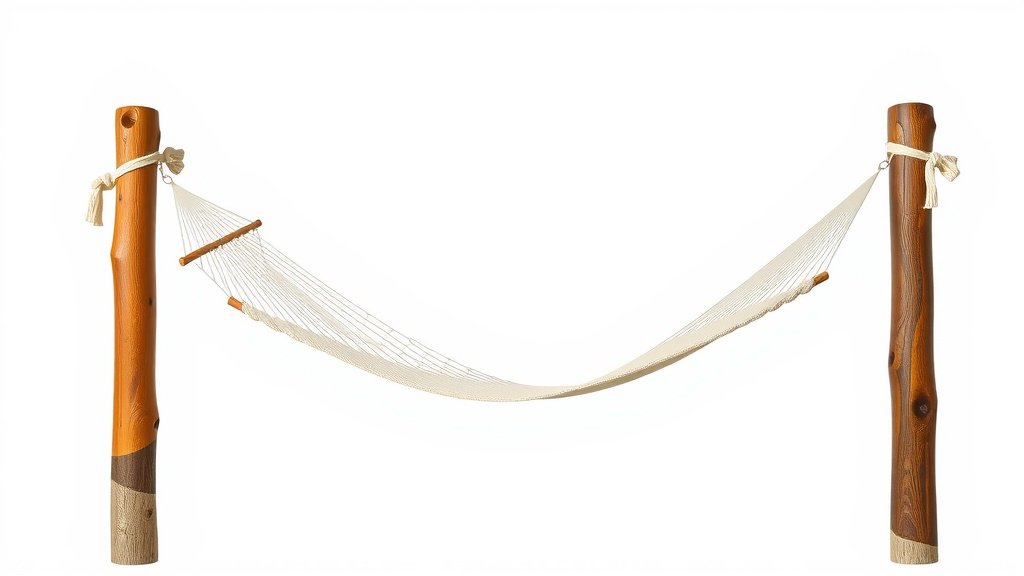
How to Hang a Hammock Between Posts: A Simple Guide
Hanging a hammock between posts is totally doable with the right approach. You can easily set up a relaxing hammock by securing it to sturdy posts using **strong hardware** and ensuring the correct **hanging distance and height**. This setup offers a fantastic way to enjoy your backyard oasis.
This simple backyard addition can transform your outdoor space into a haven of relaxation. When you choose the right posts and hardware, you create a **safe and secure spot** for lounging. Many people find hanging a hammock is a surprisingly **straightforward DIY project**.
- Pick sturdy posts (wood or metal).
- Use heavy-duty hammock hooks or straps.
- Measure the distance and height carefully.
- Ensure the hammock is taut but has a gentle sag.
- Test its strength before fully relaxing.
Ready to kick back in your new hammock? Let’s walk through exactly how to get it hung up securely.
Setting Up Your Hammock Between Posts
You’re ready for some serious relaxation! Hanging a hammock between two sturdy posts is a fantastic way to create your own backyard oasis. It’s more accessible than you might think. With the right steps, you’ll be swaying in no time. We’ve gathered the essential information to guide you through this enjoyable DIY project.
Choosing the Right Posts for Your Hammock
The foundation of your hammock setup starts with your posts. They need to be strong and stable to safely support your weight and the hammock itself. Think of them as the anchors for your chill zone.
Wood Posts: Natural Strength
Wood posts are a popular choice for their natural look and strength. You’ll want to use posts that are at least 4×4 inches thick. Longer posts are better, especially if you plan to bury them deep in the ground. Many guidelines suggest burying wooden posts at least a third of their total length for maximum stability (University of Missouri Extension). Make sure the wood is treated to withstand outdoor conditions, like cedar or pressure-treated pine.
Metal Posts: Durability and Modern Style
Metal posts, often made of steel, offer incredible durability and a modern aesthetic. Look for posts specifically designed for outdoor structures or swing sets. They are often pre-treated to prevent rust. Ensure they are thick and strong enough to handle the load. Metal posts might require different mounting hardware compared to wood.
Post Placement: Distance and Stability
The distance between your posts is critical. It should be roughly the length of your hammock plus a little extra for the sag. A good rule of thumb is to measure the length of your hammock when it’s laid flat. Then, add about 2 to 4 feet to that measurement for the post-to-post distance. For example, a 10-foot hammock might need posts set 12-14 feet apart. This spacing allows the hammock to hang with a comfortable curve, not pulled taut like a tightrope.
Stability is key. If you are setting posts in the ground, dig holes at least 2 feet deep for standard-sized posts. Consider using gravel at the bottom of the hole for drainage. Then, set the posts in concrete. This extra step ensures they won’t budge, even with vigorous hammock swinging. Many experts recommend a concrete base at least 12 inches in diameter around the post.
Selecting the Right Hammock Hardware
Once your posts are in place, it’s time for the hardware that will actually hold your hammock. This is not the place to skimp! You need hardware that is strong, durable, and safe.
Hammock Hooks: The Classic Choice
Heavy-duty hammock hooks are designed for this purpose. Look for hooks made of strong metal, like stainless steel or galvanized steel, to prevent rust. They usually have a screw-in end for wood posts or require a bolted solution for metal posts. Ensure the hook’s weight capacity is well above what you anticipate needing. Many recommend hooks rated for at least 300 pounds per hook.
Hammock Straps: Gentle on Trees (and Posts!)
Hammock straps are a fantastic alternative, especially if you want to be mindful of the posts or if your posts aren’t ideal for drilling. These are wide, strong fabric straps that wrap around your posts. They distribute the weight evenly and won’t dig into the material. You then attach your hammock to the loops on the straps. This method is also great if you’re not comfortable drilling directly into your posts.
Carabiners and S-Hooks: Connecting the Pieces
You might also need carabiners or S-hooks to connect your hammock to the main hanging hardware (hooks or straps). Ensure these are also rated for heavy weight. Climbing-grade carabiners are often a good choice for their strength and reliability. Check that they are securely closed and locked when in use.
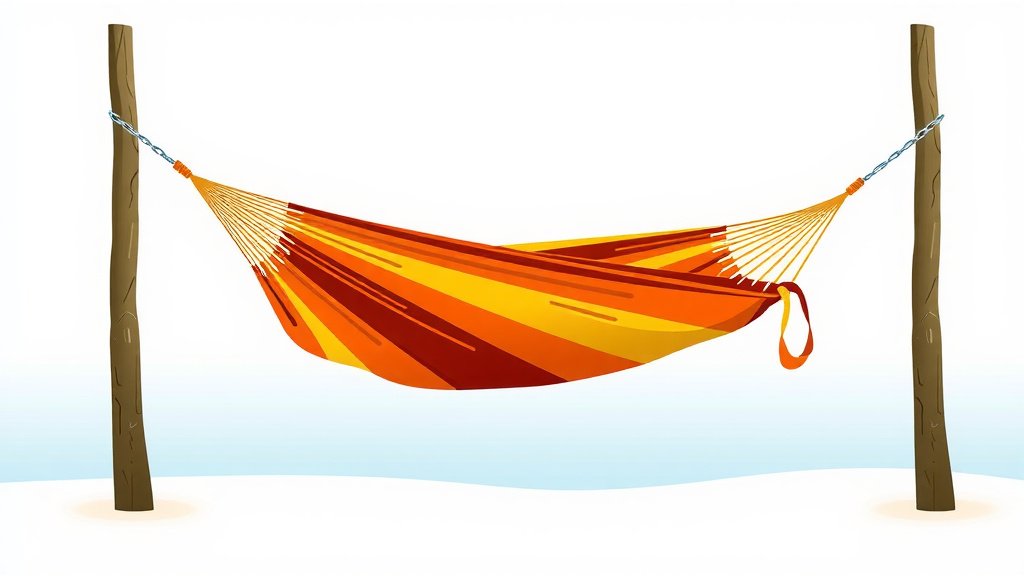
The Ideal Hammock Hanging Height and Sag
Getting the height and sag just right makes all the difference between a comfortable lounging experience and a tricky climb into your hammock. It’s a bit of an art and a science.
Determining the Right Height
A good starting point for your hanging hardware is about 6 feet off the ground. This height allows the hammock to hang with a nice curve when occupied. If your posts are shorter, adjust accordingly. The goal is for the hammock to be low enough that you can easily sit in it from the ground, but not so low that it drags. You should be able to sit in the hammock and have your feet easily touch the ground.
Achieving the Perfect Sag
The “perfect sag” is often described as a gentle curve, resembling a smile. A common guideline is the 30-degree rule. Imagine a straight line from the hanging point to the bottom of the hammock. If that line is at about a 30-degree angle when the hammock is empty, it’s likely to have the right sag when you get in (REI).
Too tight, and your hammock will feel stiff and uncomfortable, putting more stress on your anchors. Too loose, and you might find yourself sinking too low, making it hard to get out. You’ll want to test this by sitting in it gently at first. Adjust the hanging points if needed.
Checking Your Setup
Before you settle in for a long afternoon nap, perform a **weight test**. Gently sit in the hammock. Listen for any creaking sounds from the hardware or posts. Gradually put more of your weight into it. Bounce lightly a couple of times. If everything feels secure and stable, you’re good to go! If anything feels loose or unstable, it’s better to reinforce it now than later.
Quick Checklist for Hammock Hanging Success
Here’s a quick rundown to ensure you’ve got everything covered:
- Confirm your posts are sturdy and well-anchored.
- Double-check your hardware’s weight rating.
- Measure the distance between posts correctly.
- Hang your hammock at the appropriate height.
- Test the hammock’s stability before full use.
- Ensure a comfortable, gentle sag.
Conclusion
You’re now equipped to hang your hammock and start relaxing! We’ve covered choosing strong posts, selecting reliable hardware, and setting the perfect height and sag. Remember, your hammock should be a safe, comfortable spot. Double-check that your posts are secure and your hardware can handle the weight. Once everything is tested, you’re ready to enjoy your new backyard escape. Go ahead and give your hammock a gentle test swing!
Frequently Asked Questions
What if my posts aren’t perfectly straight or level?
A slight angle in your posts is usually fine. The key is ensuring they are deeply anchored and stable. If they lean significantly, you might need to reinforce their base with more concrete or bracing. Focus on the security of the anchor points where your hammock hardware will attach.
Can I hang a hammock between two trees instead of posts?
Yes, you absolutely can hang a hammock between trees! The process is similar, but you’ll use wide tree-friendly straps to protect the bark. Make sure the trees are healthy, mature, and sturdy enough to support the weight.
How do I know if my hammock hardware is strong enough?
Always check the manufacturer’s weight rating for your hooks, straps, and carabiners. Aim for hardware rated for at least 300 pounds per attachment point. If you’re unsure, it’s always better to err on the side of caution and choose hardware with a higher weight capacity.
What’s the best way to anchor posts if I don’t want to use concrete?
While concrete provides the most stability, you can also use gravel and tightly packed soil for anchoring posts. Dig a deep hole, add a layer of gravel for drainage, set the post, and then pack the soil back in very firmly, tamping it down as you go. This method is less permanent but can work for lighter use.
How often should I check my hammock setup for wear and tear?
It’s a good idea to inspect your hammock setup regularly, especially before each season or after periods of heavy use. Check your posts for any leaning or looseness, examine your hardware for rust or damage, and inspect your hammock straps for fraying. Early detection of wear can prevent potential issues.