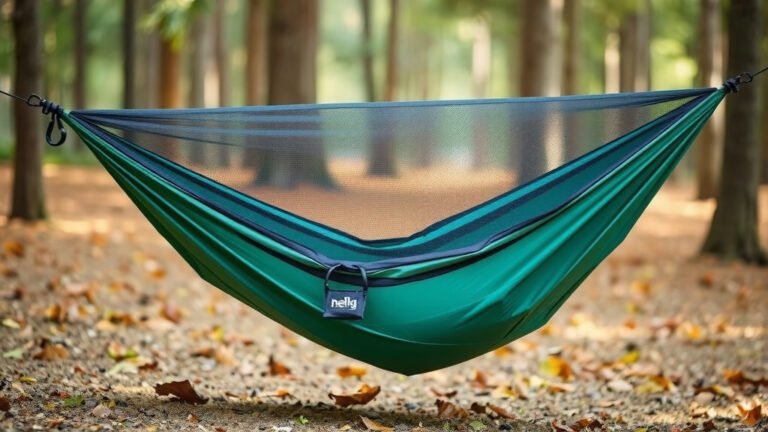
How to Hammock in the Desert: Your Ultimate Guide
Yes, you can absolutely hammock in the desert, and it’s a fantastic way to experience its unique beauty. The key is to find sturdy anchor points and take precautions against the elements. Knowing how to set up your hammock securely will make your desert adventure both comfortable and safe.
Hammocking in arid regions requires careful planning. You’ll want to consider shade, wind protection, and the best times of day to hang. Many desert dwellers find that a well-placed hammock can be the ultimate way to enjoy a sunset or stargaze in a truly memorable setting. It’s all about being prepared for the desert’s challenges and rewards.
- Find strong anchor points like large rocks or trees.
- Use tree straps or webbing to protect anchors.
- Consider shade and wind direction when setting up.
- Stay hydrated and protect yourself from the sun.
- Check weather forecasts for temperature extremes.
Let’s walk through exactly how to make your desert hammock experience amazing, from finding the perfect spot to staying comfortable all day long.
Your Guide to Hammocking in the Desert
Hammocking in the desert can be an incredible experience. You get to relax surrounded by stunning, often stark beauty. It’s a unique way to connect with nature in these arid environments. We’ll show you how to do it safely and comfortably.
Finding Your Desert Oasis: Choosing the Right Spot
The first step is always about location, location, location! In the desert, this means finding a place that offers not just good anchor points but also some natural protection.
Securing Your Anchor Points
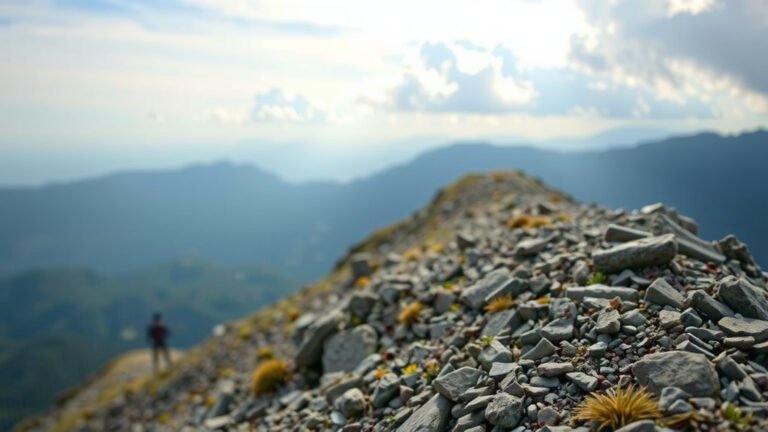
You need strong points to hang your hammock. Think big and sturdy. Large, established trees are ideal. You’re looking for something with a trunk diameter of at least 6 inches. If trees aren’t abundant, large, solid rock formations can also work. Always test your anchor points before fully committing your weight. A gentle pull should tell you if it’s stable.
What to Look For in Anchor Points
- Look for trees with thick, healthy trunks. Avoid dead or diseased-looking trees.
- Ensure rocks are massive and appear rooted or stable. Small boulders can shift.
- Check for any signs of erosion around the base of your potential anchor.
Protecting Your Anchors and Your Hammock
It’s important to protect both your anchor points and your hammock. This is where tree straps or webbing come in. They distribute the pressure, preventing damage to tree bark. We recommend using wide straps, at least 1 inch thick. This is especially important for desert trees, which can be more fragile. They can help you avoid harming the environment you’re there to enjoy.
Considering Shade and Wind
Shade is your best friend in the desert. Position your hammock where you can catch any natural shade, perhaps from a large rock overhang or a cluster of trees. Also, think about the wind. Deserts can get windy, sometimes unexpectedly. Try to set up your hammock in a spot that offers some windbreak. This might be behind a large rock or in a slight depression. You don’t want your hammock acting like a sail!
Essential Gear for Desert Hammock Camping
Beyond your hammock and suspension system, a few other items are critical for desert comfort and safety. Being prepared means you can focus on enjoying the view, not battling the elements.
The Right Hammock and Suspension
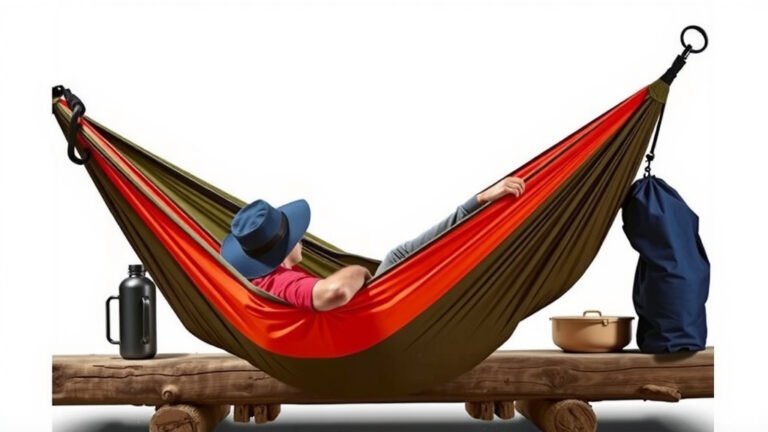
Your hammock itself should be made of durable material. Nylon or polyester are good choices. For suspension, we’ve already mentioned tree straps, but also consider carabiners and whoopie slings. These make adjustments easy. Make sure your suspension system is rated for more than your body weight. A good rule of thumb is to double the weight rating for safety.
Staying Cool and Protected from the Sun
The desert sun is intense. You’ll need sun protection. A wide-brimmed hat is non-negotiable. Sunscreen with a high SPF is also vital. Long, lightweight, breathable clothing can offer excellent protection. Consider a tarp or a separate shade structure if natural shade is scarce. This can create a much-needed cool zone. Staying hydrated is also part of sun protection. We’ll talk more about that later.
Wind Protection for Your Campsite
If wind is a major concern, a tarp can be rigged to provide a windbreak. You can angle it to block the prevailing wind. Some hammocks come with bug nets, which can also offer a small amount of wind protection. Think about how you can create a cozy, protected space for yourself.
Making Your Hammock Experience Comfortable and Safe
Now that you know where to set up and what gear to bring, let’s talk about the practicalities of comfort and safety in the desert.
Hydration is Key
We can’t stress this enough: drink plenty of water. The desert air is dry, and you’ll dehydrate faster than you realize. Carry more water than you think you’ll need. Electrolyte drinks can also be beneficial. Avoid overexertion during the hottest parts of the day. Your body will thank you.
Timing Your Hammock Sessions
The best times to enjoy your desert hammock are often at dawn and dusk. These periods offer cooler temperatures and beautiful light. Sunrises and sunsets in the desert are truly spectacular. Stargazing is also a popular desert pastime. Imagine laying back in your hammock, watching the cosmos unfold above you. It’s an experience like no other.
Dealing with the Heat and Cold
Desert temperatures can swing wildly. While daytime can be scorching, nights can become surprisingly cold. Research the average temperatures for the time of year and location you’re visiting. Pack layers of clothing. A sleeping bag or blanket is essential for cooler nights. If it’s extremely hot, consider setting up your hammock only during cooler parts of the day or in the very early morning.
A Quick Desert Hammock Checklist
Here’s a quick rundown to make sure you’re ready:
- Durable hammock and suspension system
- Tree straps or webbing
- Sunscreen, hat, and sunglasses
- Plenty of water and electrolytes
- Layers of clothing for temperature changes
- A tarp for shade and wind protection
Respecting the Desert Environment
Leave no trace is the golden rule. Pack out everything you pack in. Minimize your impact on the fragile desert ecosystem. This includes using appropriate anchor protection and avoiding disturbing any wildlife. We want future generations to enjoy these places too.
Conclusion
You’re now ready to embrace the desert from a new perspective. Remember, success in desert hammocking comes down to smart preparation and respect for the environment. By focusing on secure anchor points, understanding shade and wind, and prioritizing hydration and sun protection, you create a comfortable haven. This allows you to truly soak in the stark beauty. Ready to plan your trip? Your next step is to gather your gear and pick a desert destination you’ve always wanted to see from your hammock.
Frequently Asked Questions
What are the best times of year for desert hammocking?
Spring and fall generally offer the most pleasant temperatures for hammocking in the desert. You’ll want to avoid the extreme heat of summer and the potential for cold snaps in deep winter. Always check the specific weather forecast for your chosen location.
Can I hang a hammock between two large rocks in the desert?
Yes, large, stable rock formations can work as anchor points, but you must be absolutely sure they are secure. Look for rocks that appear deeply rooted or are massive enough not to shift. Test them carefully before trusting your weight.
What if there aren’t many trees for anchor points?
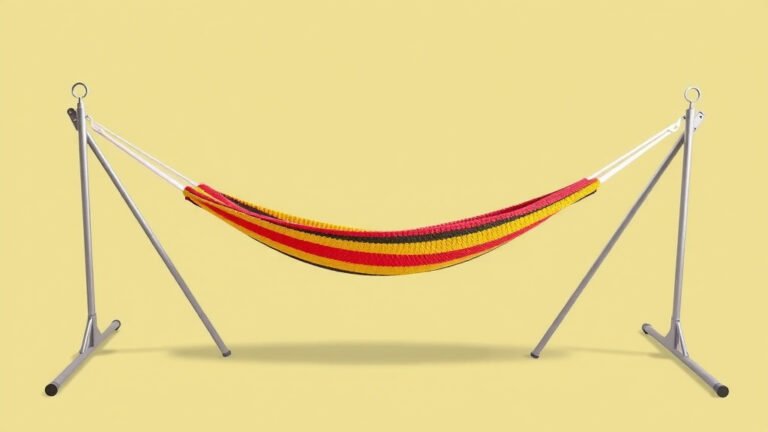
If trees are scarce, look for very large, sturdy rock formations. Some people also use specialized hammock stands designed for open areas, though these require careful setup to remain stable. Always prioritize safety and stability over convenience.
How much water do I really need for a desert hammock trip?
It’s better to have too much water than too little. For even a short overnight trip, aim to carry at least one gallon (about 4 liters) of water per person per day. For longer stays or strenuous activity, increase this amount significantly.
Are bug nets necessary for desert hammocking?
While deserts may not have as many biting insects as humid environments, they can still exist, especially around water sources or during certain seasons. A bug net can also offer a small degree of wind protection, making it a worthwhile addition for comfort.