
What is a Structural Ridgeline? A Builder’s Guide
A structural ridgeline is the highest point along the peak of a pitched roof. It’s where two sloping sides of a roof meet and form a horizontal line. Think of it as the roof’s backbone, providing essential support and stability to the entire structure. A well-built ridgeline is vital for your home’s integrity.
This critical roof element ensures water runs off properly, preventing leaks and damage. It also helps distribute the weight of roofing materials evenly. Without a solid ridgeline, your roof could be more vulnerable to wind damage and sagging. Understanding its importance helps you appreciate your home’s construction.
- The structural ridgeline is the roof’s highest, peak point.
- It’s where two sloping roof sections connect.
- It provides essential support and stability.
- A good ridgeline helps with water runoff.
- It plays a key role in preventing roof damage.
We found that many homeowners aren’t quite sure what it is. Below, we’ll break down exactly what a structural ridgeline is and why it matters so much for your home.
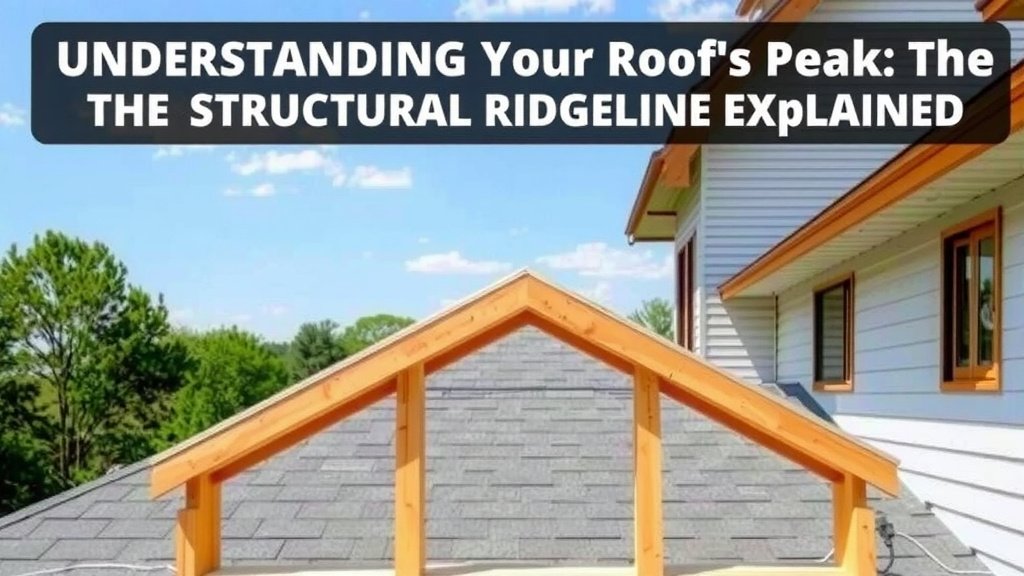
“`htmlUnderstanding Your Roof’s Peak: The Structural Ridgeline Explained
So, what exactly is this structural ridgeline we keep hearing about? Simply put, it’s the highest horizontal line on your roof. It’s formed where two sloping sides of your roof meet at the very top. Think of it as the ridge pole or the roof’s backbone. It’s a vital component for the overall health and stability of your home’s structure. Without it, your roof wouldn’t stand up properly.
The Role of the Ridgeline in Your Home’s Integrity
Your roof does more than just keep the rain out. It’s a complex system working to protect your home. The structural ridgeline plays a starring role in this protection. It’s not just a decorative element; it has a job to do. Let’s look at its main functions.
Providing Essential Structural Support
The ridgeline is where the framing of your roof comes together. Rafters or trusses meet at this point. This connection is critical for stability. It helps distribute the weight of the roofing materials, like shingles or tiles, evenly across the roof structure. This prevents sagging, especially in the middle sections of the roof. It’s like the apex of a triangle; everything relies on that top point.
Ensuring Proper Water and Snow Drainage
A well-defined structural ridgeline is key for water runoff. Gravity does its work, and water flows down the slopes. The ridgeline ensures there’s a clear, high point for this water to start its journey downwards. This is especially important in areas with heavy rain or snow. Proper drainage prevents water from pooling. Water pooling can lead to leaks and damage to the roof deck and the interior of your home.
Many guidelines for building codes highlight the importance of a well-designed roof slope for drainage (International Residential Code).
Resisting Wind Uplift and Damage
Wind can be tough on roofs. When wind blows over your roof, it creates uplift pressure. The structural ridgeline, being the highest point, can be particularly vulnerable. However, a strong, well-anchored ridgeline helps resist this uplift force. It ties the opposing roof sections together securely. This connection makes the entire roof system more robust against strong winds. Think of it as bracing two pieces of wood together firmly at the top.
How the Structural Ridgeline is Built
The construction of a structural ridgeline can vary depending on the roofing system. However, some common principles apply. Understanding this can help you appreciate the craftsmanship involved.
Framing at the Peak
In traditional stick-built roofs, rafters are the angled beams that form the roof’s slope. These rafters meet at the peak. They are typically fastened to a ridge board or directly to each other. This ridge board, or the joined rafters, forms the structural ridgeline. The connection needs to be strong and secure.
Truss Systems
Many modern homes use pre-fabricated roof trusses. These are triangular frameworks that are engineered for strength. The top chords of the trusses meet at the peak to form the structural ridgeline. These trusses are designed to distribute loads effectively. They provide both the shape and the support for your roof.
Materials Used
The materials used for the ridgeline itself are usually wood. This includes ridge boards, rafters, or truss components. Over this framing, you’ll have sheathing (often plywood or OSB) that creates a solid surface. Then come the underlayment and the final roofing material, like shingles. There are also specific ridge cap shingles or other ridge ventilation systems installed at the very top.
Types of Ridgelines and Ventilation
While the structural aspect is about the framing, the visible top of the roof is where ventilation often comes into play. This is sometimes referred to as the ridge, but it’s distinct from the structural ridgeline supporting the frame.
Ventilated vs. Non-Ventilated Ridges
Many modern roofs incorporate ridge ventilation. This system allows hot air and moisture to escape from your attic. A ventilated ridge typically involves a gap or a specialized product that allows air to flow through the ridge. This helps regulate attic temperature and prevents moisture buildup. Non-ventilated ridges are simply where the roofing materials meet without an air gap.
Ridge Cap Shingles and Other Systems
Ridge cap shingles are flexible shingles designed to cover the peak of the roof. They provide a finished look and an additional layer of protection. Other systems might include metal ridge caps or specialized ventilation products like ridge vents that sit over a cut in the sheathing. These are all installed at the highest point, the structural ridgeline.
Why a Strong Ridgeline Matters for You
You might be wondering why all this detail about the roof’s peak matters. Well, it directly impacts your home and your wallet. A compromised ridgeline can lead to a cascade of problems.
Preventing Costly Repairs
A weak or damaged structural ridgeline can lead to roof sagging. This can cause roofing materials to fail prematurely. Water infiltration due to poor drainage can damage insulation, drywall, and even the roof’s framing. Addressing issues early, often starting with the ridgeline, can save you a fortune in repairs down the line.
Extending Your Roof’s Lifespan
Your roof is a major investment. Protecting it means ensuring all its components are sound. A strong structural ridgeline contributes to the overall health of your roof. It helps it withstand the elements better. This means your roof will likely last longer, providing protection for your home for its intended lifespan. Many roofing professionals find that proper ventilation at the ridge is key to a roof’s longevity (Building Science Corporation).
Signs Your Ridgeline Might Need Attention
Sometimes, the first sign of trouble isn’t obvious. But if you’re observant, you might spot clues that your structural ridgeline needs a look-see from a professional.
- Look for any visible sagging along the peak of your roof.
- Check for cracked, loose, or missing ridge cap shingles.
- Inspect for signs of water damage or leaks near the roof’s peak.
- Are there any nail pops or areas where the roofing material looks stressed at the top?
- Do you notice excessive heat or moisture escaping from the attic near the ridge?
If you see any of these, it’s a good idea to have a qualified roofing contractor inspect your structural ridgeline. They can assess its condition and recommend any necessary repairs.
Quick Checklist for Ridgeline Health
Here’s a simple rundown to keep in mind about your roof’s peak:
- Structural ridgeline = highest point where two roof sides meet.
- It’s the roof’s “backbone” for stability.
- Proper drainage starts at the ridgeline.
- A strong ridgeline resists wind damage.
- Ventilation at the ridge is key for attic health.
- Regular checks can prevent big problems.
Conclusion
You now understand that your home’s structural ridgeline is more than just the highest point of your roof. It’s the essential backbone that provides critical support, ensures proper water drainage, and helps resist damaging wind forces. A well-constructed ridgeline protects your home from leaks and extends the life of your entire roofing system. Always keep an eye out for signs of trouble like sagging or damaged ridge caps. If you spot any concerns, reach out to a qualified roofing professional for an inspection to prevent costly repairs.
Frequently Asked Questions
What’s the difference between a structural ridgeline and a ridge cap?
The structural ridgeline refers to the underlying framing – the rafters or trusses that meet at the peak. The ridge cap, on the other hand, is the visible material (like shingles or metal) that covers this peak, providing protection and a finished look.
Can a damaged structural ridgeline cause leaks?
Yes, absolutely. If the structural integrity of the ridgeline is compromised, it can lead to sagging. This can disrupt water flow, causing it to pool and potentially seep through the roofing materials, leading to leaks.
How often should I have my roof’s ridgeline inspected?
It’s a good idea to have your roof, including the ridgeline, inspected at least once a year, or after major weather events like strong storms or heavy snowfall. This helps catch potential issues early.
Does attic ventilation affect the structural ridgeline?
While ventilation systems are installed at the ridge, they don’t directly impact the structural framing itself. However, proper attic ventilation is crucial for the overall health of the roof deck and framing materials, preventing moisture buildup.
What happens if the ridge board fails?
If the ridge board (a common component in stick-built roofs) fails, it can severely compromise the roof’s stability. This could lead to sagging, potential collapse, and significant damage to the entire structure of your home.