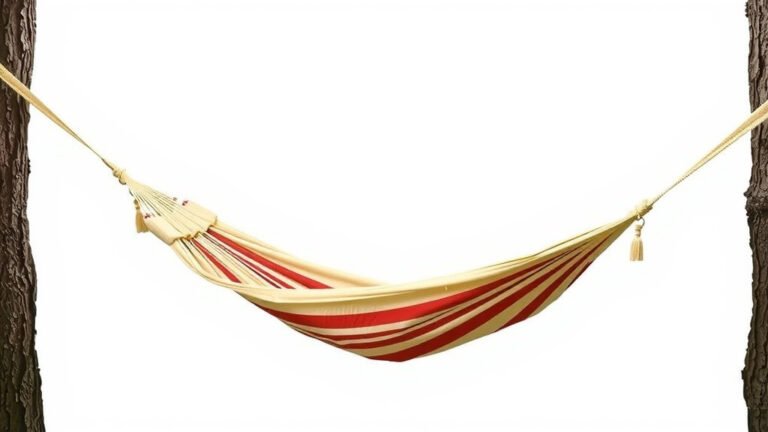

Nylon Hammock Material: Is It Right For You
Yes, nylon is generally a great hammock material for many reasons. It’s known for being lightweight, durable, and resisting moisture, making it ideal for camping and outdoor adventures. You’ll find it’s a popular choice for good reason.
When considering hammock fabrics, nylon stands out for its excellent strength-to-weight ratio. Many high-quality camping hammocks use nylon because it can handle a lot of weight without being bulky. It also dries relatively quickly, which is a huge plus if you’re caught in a rain shower.
- Nylon is a strong and lightweight hammock material.
- It handles moisture well and dries quickly.
- Nylon offers good durability for outdoor use.
- It’s a popular choice for camping and backpacking hammocks.
Let’s walk through why nylon is such a popular choice and what you should look for in a nylon hammock.
You’re likely wondering if nylon is a solid choice for your next hammock. We get it; choosing the right material makes a big difference in comfort and durability. Let’s break down why nylon often tops the list for outdoor enthusiasts.
Why Nylon Shines as a Hammock Fabric
Nylon is a synthetic polymer that’s incredibly popular for hammocks. It’s made from petroleum and has a unique set of properties that make it perfect for hanging out under the stars. Many hammock manufacturers choose nylon for its impressive combination of strength and lightness. You don’t want a hammock that feels like it weighs a ton, right?
Strength and Durability
One of nylon’s biggest selling points is its sheer strength. It’s known for its high tensile strength, meaning it can withstand a lot of pulling force before breaking. Think of it like a super-strong thread that’s woven together. This makes nylon hammocks very durable. They can handle regular use and the stresses of being set up and taken down repeatedly. Research indicates that nylon fibers can stretch and return to their original shape without damage (National Academies of Sciences, Engineering, and Medicine).
Lightweight Design
Despite its strength, nylon is surprisingly lightweight. This is a huge advantage if you plan on backpacking or hiking. Every ounce counts when you’re carrying your gear. A lightweight hammock means less burden on your shoulders and more enjoyment on the trail. Many camping hammocks made from nylon weigh just over a pound, making them easy to pack and carry.
Moisture Resistance and Quick Drying
Let’s talk about the weather. Hammocks are often used outdoors, where rain can unexpectedly appear. Nylon is naturally resistant to moisture. It doesn’t absorb water like natural fibers might. This means that if your hammock gets wet, it won’t become heavy and saggy. Even better, nylon dries very quickly. You can often hang your hammock back up after a shower in a relatively short amount of time. This is a massive convenience for campers and hikers.
Resistance to Abrasion and Mildew
Nylon is also resistant to abrasions, which means it can handle rubbing against rough surfaces without easily tearing. This adds to its overall lifespan. Additionally, nylon doesn’t easily support mildew growth. Mildew can be a real nuisance, causing unpleasant odors and weakening fabric over time. Because nylon is less susceptible to mildew, it tends to stay fresher for longer, even when stored in damp conditions.
Types of Nylon Used in Hammocks
Not all nylon is created equal, especially when it comes to hammocks. You’ll often see two main types: Ripstop Nylon and Parachute Nylon.
Ripstop Nylon
Ripstop nylon is woven in a special way that makes it resistant to tearing and ripping. It has a grid pattern of thicker threads woven at intervals. If a small tear does start, the ripstop weave helps to prevent it from spreading. This is a great feature for durability, ensuring your hammock lasts longer and is less prone to catastrophic failure. You’ll find this type in many high-quality camping hammocks.
Parachute Nylon (often called Taffeta Nylon)
Parachute nylon, also known as taffeta nylon, is a very common material for camping hammocks. It’s known for being soft, breathable, and lightweight. It has a smooth feel and drapes nicely, making it comfortable to lie in. While it’s still strong, it might not have the same rip-resistance as ripstop nylon. However, for general lounging and casual camping, it’s an excellent choice.
What to Look for in a Nylon Hammock
When you’re shopping for a nylon hammock, a few key features can help you make the best choice.
Denier (D) Rating
The denier rating tells you about the thickness and weight of the nylon threads used. A higher denier number means thicker, stronger threads. For camping hammocks, a denier between 40D and 70D is often ideal. This range balances strength and weight effectively. A hammock made with 40D will be lighter, while one made with 70D might be a bit more robust.
Weight Capacity
Always check the hammock’s weight capacity. Most nylon hammocks are designed to hold at least 200-300 pounds. Some heavier-duty models can support much more. It’s wise to choose a hammock with a capacity comfortably above your own weight, just for added safety and peace of mind.
Included Accessories
Consider what comes with the hammock. Does it include suspension straps for hanging? Are they easy to use? Some hammocks come with built-in stuff sacks, making packing and transport a breeze. Others might require separate purchases for these items.

Nylon vs. Other Hammock Materials
While nylon is fantastic, it’s good to know how it stacks up against other common hammock materials like polyester and cotton.
| Material | Pros | Cons |
|---|---|---|
| Nylon | Lightweight, strong, quick-drying, moisture-resistant, durable. | Can be slippery, potentially less breathable than cotton in extreme heat. |
| Polyester | UV resistant, durable, resists stretching. | Can be heavier, slower to dry than nylon, less soft feel. |
| Cotton | Very soft and comfortable, breathable. | Absorbs moisture, heavy when wet, slow to dry, prone to mildew. |
As you can see, nylon offers a great middle ground for most users, especially for active outdoor use. Polyester is a good contender if UV resistance is your top priority, while cotton is best for casual backyard use where weather isn’t a concern.
Is Nylon the Right Choice for You?
Based on the research, nylon checks a lot of boxes for a great hammock material. Its blend of strength, light weight, and quick-drying properties makes it incredibly versatile.
- Ideal for camping: Its light weight and packability are perfect for backpackers.
- Great for unpredictable weather: You won’t worry about it getting soaked.
- Durable for frequent use: It holds up well over time.
- Comfortable for lounging: Many nylon hammocks are soft and cozy.
- Good value: Often offers a great balance of performance and price.
If you’re looking for a hammock that can handle adventures, dry quickly, and won’t weigh you down, nylon is a fantastic material to consider. You’ll likely find yourself relaxing in comfort for years to come.
Conclusion
After reviewing the features, it’s clear that nylon is a top-tier hammock material for many adventures. Its impressive combination of strength, lightness, and quick-drying capabilities makes it incredibly versatile. You can trust it to handle unpredictable weather and keep you comfortable on any outing. For campers, hikers, or even casual loungers seeking a durable and reliable hammock, nylon is an excellent choice. Consider your planned activities and choose a nylon hammock with the right denier and weight capacity to suit your needs, and you’ll be set for many relaxing moments.
Frequently Asked Questions
How does nylon hammock strength compare to polyester?
Nylon generally offers a higher tensile strength than polyester, meaning it can withstand more pulling force before breaking. Both are durable, but nylon often wins in pure strength-to-weight ratio. You’ll find both are great for hammocks, but nylon is often preferred for demanding outdoor use.
Can I leave a nylon hammock outside all the time?
While nylon is durable and resistant to mildew, prolonged exposure to direct sunlight can degrade the fibers over time, reducing its strength. It’s best to store your nylon hammock indoors when not in use to extend its lifespan. Covering it might help if it’s left up occasionally, but indoor storage is ideal.
Is parachute nylon better than ripstop nylon for hammocks?
It depends on your priority. Ripstop nylon offers superior tear resistance due to its reinforced weave, making it ideal for rugged use. Parachute (taffeta) nylon is often softer, more breathable, and lighter, making it comfortable for general lounging and camping where extreme durability isn’t the main concern.
How do I clean a nylon hammock?
Cleaning a nylon hammock is usually straightforward. You can typically hand wash it with mild soap and cool water. Avoid harsh detergents or machine washing and drying, as this can damage the fabric. Always air dry it completely before storing to prevent mildew.
Will a nylon hammock feel rough or uncomfortable?
Nylon hammocks can vary in feel. Parachute nylon tends to be softer and smoother, providing a comfortable lounging experience. Ripstop nylon can sometimes feel a bit stiffer due to its weave, but most modern camping hammocks made from ripstop are designed for comfort as well as durability. The denier rating also influences the feel; higher denier can sometimes mean a slightly rougher texture.