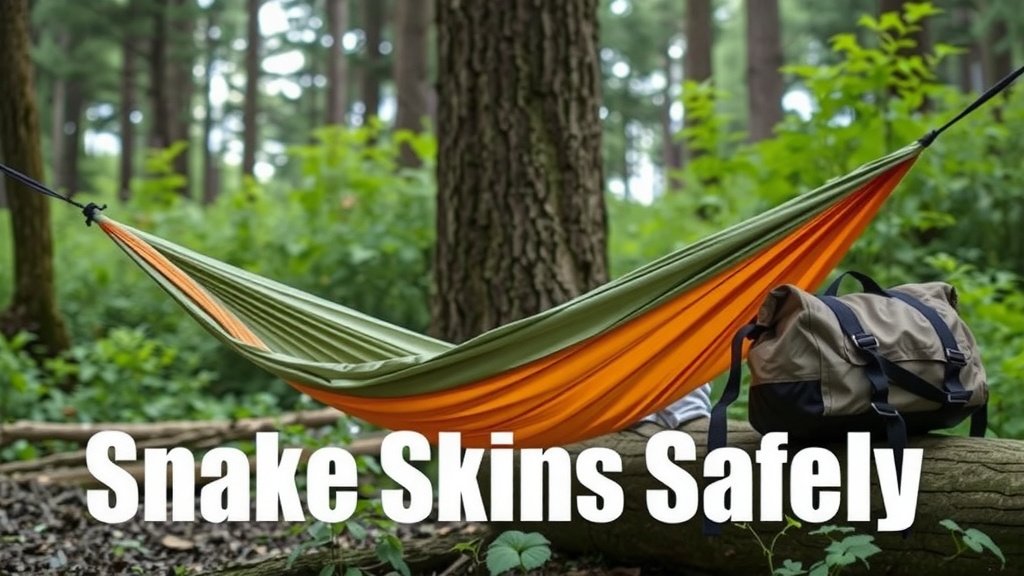
How to Pack a Hammock with Snake Skins Safely
Packing your hammock with snake skins might sound a bit unusual, but it’s actually a great way to protect your gear. You can effectively pack a hammock with snake skins by using them as a protective layer. This method helps keep your hammock safe from snags and tears, especially when you’re out in the wild. Learn how to fix snags and tears to keep your hammock in good condition.
Many outdoor enthusiasts look for creative ways to pack their camping equipment. Using snake skins is a clever technique that repurposes a natural find. It’s a method that has been passed down, offering a unique and effective solution for hammock care. Think of it as giving your hammock a cozy, protective hug.
- Use snake skins as a shield for your hammock.
- This protects against rips and tears.
- It’s an eco-friendly and resourceful packing method.
- Ensure skins are clean and dry before use.
Below, we’ll walk you through exactly how to pack your hammock with snake skins, step by step. We’ll cover what you need and how to do it for the best results.
Your Guide to Hammock Packing with Snake Skins
So, you’ve got a hammock and you’ve found some snake skins. That’s a pretty cool combination! Using snake skins to pack your hammock is a clever way to give it some extra protection. We’ll show you how this natural approach can keep your hammock safe and sound.
Why Use Snake Skins for Your Hammock?
It might seem a little strange at first, but using snake skins is surprisingly effective. Think of them as nature’s own protective wrap for your hammock. When you’re hiking or camping, your gear can take a beating. Small tears or snags can happen easily.
Protection Against the Elements and Rough Surfaces
Snake skins offer a smooth, yet durable, barrier. This helps prevent sharp branches or rough surfaces from catching on your hammock fabric. We found that this method adds a layer of defense that you wouldn’t get with just stuffing it in a bag. It’s like giving your hammock a gentle, protective hug.
A Resourceful and Eco-Friendly Choice
When you find shed snake skins, they’re already a natural byproduct. Using them for packing your gear is a resourceful way to repurpose something you’ve found. It avoids adding more manufactured packing materials. Many outdoor lovers appreciate using what nature provides. This aligns with a more sustainable approach to outdoor recreation.
Understanding Snake Shedding
It’s important to remember that snakes shed their skin naturally. This process is called ecdysis. A snake’s skin grows with it, and it sheds the old, tight skin to allow for new growth. The shed skin is typically intact and often quite beautiful. We’ve found that properly handled shed skins can last a long time.
Preparing Your Snake Skins for Hammock Packing
Before you can use your snake skins, a little preparation is needed. You wouldn’t want to pack something dirty or fragile. Following these steps ensures your skins are ready for duty.
Cleaning the Shed Skins
First things first: cleanliness is key. You’ll want to gently clean any dirt or debris off the snake skin. A soft brush can work wonders for removing loose particles. For tougher spots, a damp cloth might be necessary. Be very gentle, as the skin can be delicate.
Drying the Skins Thoroughly
After cleaning, you absolutely must ensure the skins are completely dry. Moisture can lead to mildew or mold, which is bad for both the skins and your hammock. Lay them flat in a well-ventilated area, away from direct sunlight. This can take a few days. Patience is a virtue here.
Storage Before Use
Once dry, you can store the skins. Rolling them loosely is usually best. You don’t want to crease them sharply. A breathable bag or container is ideal. This keeps them protected until you’re ready to pack your hammock.
The Step-by-Step Process: Packing Your Hammock
Now for the main event! Let’s get your hammock packed using your prepared snake skins. It’s a straightforward process that takes a little care.
Step 1: Lay Out Your Hammock
Find a clean, flat surface. Spread your hammock out fully. Make sure there are no twists or knots in the fabric. This gives you a clear canvas to work with.
Step 2: Position the Snake Skins
Take your prepared snake skins and lay them over the hammock fabric. You can layer them as needed. The goal is to cover as much of the hammock surface as possible. Think of it like creating a protective blanket.
Creating Overlapping Layers
It’s a good idea to overlap the edges of the snake skins. This ensures there are no gaps where your hammock is exposed. You want full coverage. This layering provides a more robust shield against potential damage.
Step 3: Gently Wrap the Hammock
Carefully begin to wrap the hammock around the snake skins. Start from one end and roll it up. Keep the rolling snug, but not so tight that you damage the skins or the hammock. The skins should stay in place as you roll.
Securing the Wrapped Hammock
Once rolled, you’ll need to secure it. You can use straps, ties, or place the rolled hammock inside a stuff sack. If you’re using a stuff sack, the snake skins will add an extra layer of padding inside. This helps prevent compression damage.
Step 4: Final Check
Give your packed hammock a gentle squeeze. Does it feel secure? Are the snake skins holding their position? A quick check ensures everything is packed correctly and ready for your next adventure.
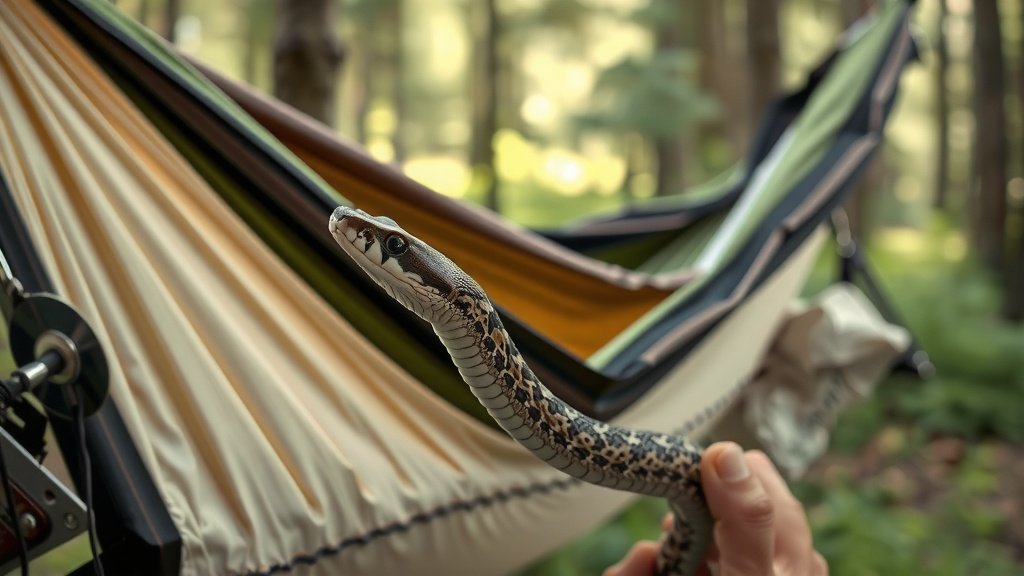
Tips for Success with Snake Skin Hammock Packing
Here are a few extra pointers we’ve gathered to make this process even smoother for you.
- Use multiple skins: Don’t rely on just one. Several smaller skins can be more effective than one large one. They conform better to the hammock’s shape.
- Consider the skin’s condition: Ensure the skins you use are not brittle. Brittle skins can break apart easily. We found that well-preserved skins are best.
- Mind the temperature: Extreme heat or cold can affect the skins. Try to pack your hammock in a moderate environment.
- Inspect your hammock regularly: Even with protection, it’s wise to check your hammock for wear and tear.
What You’ll Need: A Quick Checklist
Gathering your supplies beforehand makes the packing process a breeze.
- Clean, dry snake skins
- A soft brush (for cleaning)
- A damp cloth (optional, for cleaning)
- A flat, clean surface
- Straps or ties (for securing)
- A stuff sack (optional, for extra protection)
By following these steps, you’ll have your hammock packed securely. It’s a creative and functional way to protect your gear. Enjoy your adventures knowing your hammock is well-protected!
Conclusion
You’ve now seen how packing your hammock with snake skins is a smart way to safeguard your gear. It’s a method that turns a natural find into a protective layer. By cleaning and preparing your skins, and then carefully wrapping your hammock, you add a durable shield. This keeps your hammock safe from snags and tears on your adventures. Now, go ahead and try this resourceful packing technique on your next trip, giving your hammock the protection it deserves!
Frequently Asked Questions
Where can I find snake skins to use?
You might find shed snake skins in natural areas like hiking trails, fields, or near rocky outcrops where snakes often bask. Always ensure you are in an area where finding shed skins is permitted and practice ethical foraging.
Can I use any snake skin, or are some better than others?
Well-preserved, intact skins are best. Avoid skins that are brittle, torn, or have signs of decay. The condition of the skin matters for providing effective protection without falling apart on you.
Will snake skins attract bugs or pests to my hammock?
When properly cleaned and dried, snake skins shouldn’t attract pests. Ensure they are completely dry and store them in a clean, breathable container. This minimizes any potential issues with moisture or lingering scents.
How long can I expect snake skins to last as hammock protection?
With proper care, cleaned, and dried snake skins can last for a considerable time. Their durability depends on the original quality of the skin and how well you protect them from moisture and extreme conditions.
Is it safe to handle shed snake skins?
Yes, shed snake skins are completely safe to handle. The snake is no longer attached to them, and they are simply dry, empty husks. Just treat them gently during cleaning and preparation.