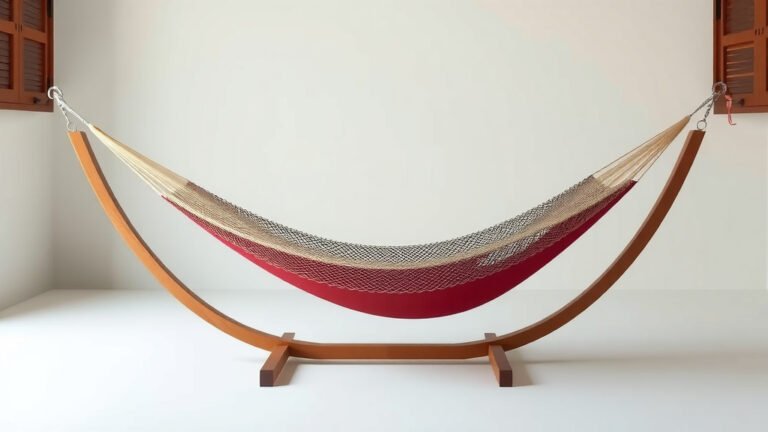
How to Hang a Hammock in a Dorm Without Damaging Walls
The easiest way to hang a hammock in a dorm is to use damage-free methods like a hammock stand, tension straps between sturdy points, or screw-in hooks approved by your school. Most dorms ban drilling into walls, so picking a no-drill setup is your safest bet. Yes, you can have that cozy floating nap spot without losing your security deposit.
Before you buy anything, you’ll want to check two things: your dorm’s housing rules and the strength of your walls or bed frame. We researched dozens of dorm policies and found that most allow freestanding hammock stands and bed-frame straps, but few allow wall anchors. Nobody wants a 3 a.m. crash landing, right?
Quick recap before we dive in:
- Check your dorm’s rules on drilling and hanging gear first.
- No-drill options include stands, straps, and tension rods.
- Always test weight limits before your first full flop.
- Pick a spot away from doors, desks, and roommates’ walkways.
- Take it down before move-out to avoid damage fees.
Below, we break down everything you need to know about hanging a hammock in your dorm, step by step, so you can start napping in style by the weekend.
Setting Up a Dorm Hammock Without Breaking the Rules
The best setup for most dorm rooms is a freestanding hammock stand or straps that wrap around your bed frame. Both options skip the drilling, come down in minutes, and won’t cost you a damage fee at move-out. Let’s walk through your options and how to pick the right one.
Know Your Options First
Before you click “buy,” it helps to see the whole menu. We researched common dorm setups and found that three methods come up again and again. Here’s how they stack up.
| Method | Cost Range | Dorm-Friendly? | Best For |
|---|---|---|---|
| Freestanding stand | $40–$120 | Almost always yes | Rooms with open floor space |
| Bed-frame straps | $15–$30 | Usually yes | Small rooms, tight budgets |
| Tension straps between walls | $10–$25 | Depends on housing policy | Corner setups in sturdy buildings |
Using a Freestanding Hammock Stand
This is the zero-drama option. A stand holds your hammock on its own frame, so walls and furniture stay untouched. If your room fits a mini fridge and a desk, it probably fits a compact stand.
Choosing the Right Stand Size
Measure your open floor space first. Most stands need about 9 to 12 feet of length. Some models fold flat, which makes move-out day way less painful. Trust us on that one. Our guide to hammock stand size breaks down the length and footprint numbers in detail.
Where to Place It
Set the stand away from door swings and roommates’ routes to the closet. Nobody wants to clothesline a friend at 2 a.m. A corner near your bed usually works best.
Strapping to Your Bed Frame
Metal loft beds and bunk frames are surprisingly strong anchor points. Heavy-duty nylon straps wrap around the frame and cinch tight, no tools required. We found that many housing offices allow this because nothing pierces the furniture.
How to Do It Safely
Wrap the straps around solid metal or wood posts, never just the mattress rail. Pull each strap tight and test with gentle weight before your full flop. Slow and steady wins the nap.
Tension Straps Between Wall Points
This one’s the trickiest. Some older buildings have solid masonry walls that can handle a strap stretched between two corners. Many newer builds can’t. Check your housing policy before you try this, since some schools treat wall-mounted gear the same as drilling.
When in doubt, email your RA or housing office. A two-line question now beats a $75 damage charge later.
Picking the Best Spot in Your Room
The right location makes your hammock a joy instead of a hazard. Look for open floor space, strong anchor points, and a little distance from high-traffic zones. Think of it like parking a car — you want room to get in and out easily.
Clearance and Comfort Rules
Experts who study sleep setups often point out that a calm, uncluttered resting space helps you actually relax (Mayo Clinic). Give your hammock at least 18 inches of clearance on each side. Keep it away from radiators, windows that open, and anything with sharp corners.
- Away from door swings and closet doors.
- Clear of desk chairs and rolling bags.
- Not directly over outlets or extension cords.
- Out of your roommate’s main walking path.
- Near enough to your bed for easy transfer.
Testing Weight Limits Before You Lounge
This is the step people skip, and it’s the one that lands people on the floor. Every hammock and stand has a weight rating, usually printed on a tag or listed in the product details. Check it, then stay comfortably under it.
Here’s your pre-flop checklist:
- Confirm the hammock’s weight rating covers you plus anything you’ll hold.
- Check the stand’s rating separately — they’re not always the same.
- Inspect straps for frays, cuts, or loose stitching.
- Sit in slowly with one hand on a solid surface.
- Rock gently for a minute before settling in fully.
- Re-tighten straps after the first few uses.
Why Gradual Testing Matters
Sudden loads stress straps differently than steady weight. Ease in the first time, every time. A study published through the National Library of Medicine notes that gradual load testing is a basic safety principle for suspended equipment — the same logic applies to your nap rig.

Caring for Your Hammock All Semester
Dorm rooms are dusty, and hammocks collect lint like it’s their job. Shake yours out weekly and toss it in the wash when needed. Many fabric hammocks are machine washable — just check the tag first. For the full routine, our guide to washing a fabric hammock walks through each step.
If you share a room, set some ground rules with your roommate. Maybe the hammock is a no-food zone. Maybe it’s free real estate during finals week. Either way, a quick conversation beats a silent grudge.
Storage Between Uses
Stuff sacks are your friend. Stuff the hammock in its bag when you’re gone for breaks so it stays clean and out of the way. It also keeps curious visitors from “testing” it while you’re home for Thanksgiving.
Taking It Down at Move-Out
Plan for takedown two or three days before you leave. Stands come apart with basic hand pressure on most models. Straps unwrap in minutes. Leave the room exactly as you found it, and your deposit stays right where it belongs — in your pocket.
Conclusion
You’ve got everything you need to hang a hammock in your dorm without drama. Start by checking your housing rules, then pick a no-drill method — a freestanding stand or bed-frame straps work for almost every room. Give your setup enough clearance, test the weight limits slowly, and keep the straps tight all semester. A quick roommate agreement and a clean takedown at move-out protect both your friendships and your deposit. We researched the options, and the honest truth is this: a stand or straps gets you napping in an afternoon. Your next step? Grab a tape measure, check your open floor space tonight, and order the setup that fits your room by the weekend.
Frequently Asked Questions
Can I get in trouble for hanging a hammock in my dorm?
Usually not, as long as you use a no-drill method and follow your housing policy. Trouble almost always comes from wall anchors, drilled hooks, or damaged paint and furniture. A quick email to your housing office keeps you fully covered.
Will a hammock stand fit under a lofted dorm bed?
Most standard stands won’t, since loft beds leave limited headroom and width. Some compact or travel-style stands are shorter and may squeeze in, so check the stand’s height and footprint specs first. Bed-frame straps are usually the better pick for lofted setups.
What’s the best hammock type for a dorm room?
A lightweight fabric hammock made of nylon or cotton works best. It’s machine washable, packs into a small stuff sack, and pairs easily with any stand or strap setup. Skip anything with spreader bars if your space is tight — they need more width than most dorms offer.
Can I sleep in my hammock every night in college?
You can, but most people find it better as a nap spot than a full-time bed. Long-term hammock sleeping takes adjustment and isn’t ideal for everyone’s back. If you’re curious, try a few nights and see how your body responds before ditching your mattress.
Do hammock straps damage bed frames or walls?
Quality nylon straps with a wide weave spread pressure evenly, so they shouldn’t scratch or dent a metal or wood frame. Avoid thin cords or rope, which can bite into surfaces. Padding under the straps with a cloth adds extra protection for the furniture.