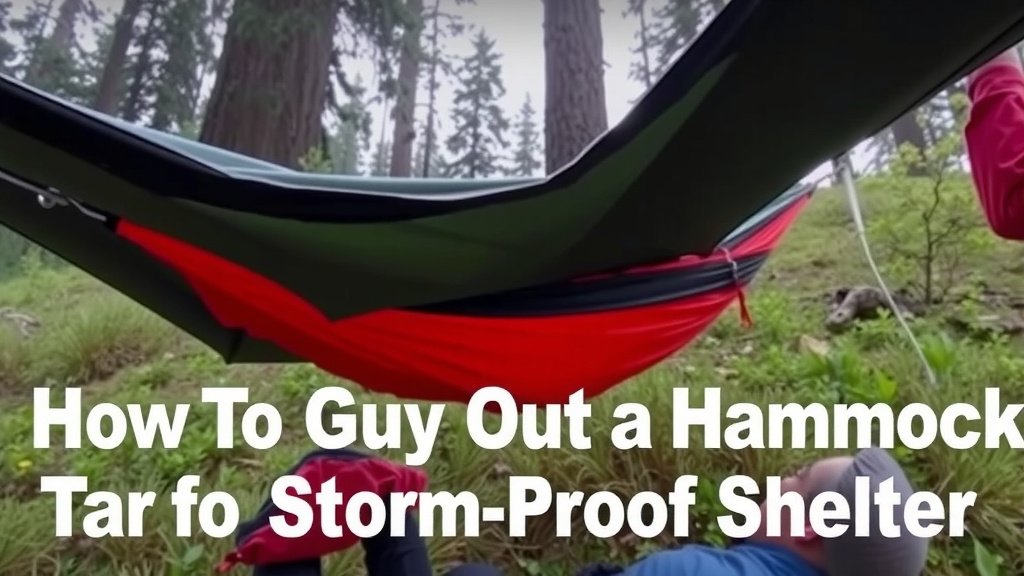
How to Guy Out a Hammock Tarp for Storm-Proof Shelter
The best way to guy out a hammock tarp is to stake the corners at a 45-degree angle, then tighten each guy line so the tarp pulls taut with a slight drip edge at the ridge. Done right, this keeps rain off your hammock and stops the tarp from flapping all night. It takes about five minutes once you know the steps.
Here’s the thing most beginners miss: the guy lines matter just as much as the tarp itself. We researched setup guides from seasoned hammock campers and found that proper guy line tension is what separates a dry, peaceful night from a soggy, saggy mess. Wind, rain, and even snow all put stress on those lines, so how you stake them out makes a huge difference in how your shelter performs.
Quick TL;DR before we get into the details:
- Pick a solid ridgeline height, usually around chest level when you’re seated in your hammock.
- Stake corners at a 45-degree angle, pointing away from the tarp.
- Use a taut-line hitch or ridgeline tensioner to tighten each guy line.
- Leave a slight drip edge so water runs off instead of soaking your ridgeline.
- Recheck tension after rain or wind, since stakes love to loosen up overnight.
Sound doable? Good. Below, we walk you through every step of guying out your tarp, from picking stake spots to the knots that actually hold. Let’s get you set up right.
Setting Up Your Hammock Tarp Guys the Right Way
Guys are the ropes that hold your tarp out and tight. Without them, your tarp sags, flaps, and funnels rain right onto your hammock. Get them right, and you’ve got a dry, quiet shelter even in a storm.
We researched setup guides from long-time hammock campers and found that most setup problems trace back to two things: bad stake placement and loose lines. Fix those, and you’re 90% of the way there.
What You’ll Need Before You Start
Grab your gear first. Nothing’s worse than kneeling in the dirt with a stake in your teeth and a missing tensioner three feet away.
- Your tarp with attached guy lines
- 4 to 6 stakes (aluminum or titanium work fine)
- A ridgeline cord or adjustable tensioners
- A small mallet or a rock (optional, but handy)
Picking Your Spot
Location matters more than most people think. Look for level ground with soft enough soil to take stakes. Avoid camping under dead branches, and skip low spots where water pools.
Before hanging your hammock, picture where the tarp corners will land. If you set the hammock first, you’ll know exactly where to place everything.
Step-by-Step: Guying Out Your Tarp
Here’s the full process. It takes about five minutes once you’ve done it a few times.
Step 1: Set Your Ridgeline Height
Attach the tarp to your ridgeline or tree straps at about chest height when you’re seated in the hammock. Too high, and wind gets underneath. Too low, and you’ll bonk your head every time you sit up.
Many experts say a slight ridge sag helps shed water better than a dead-straight line. That’s the “drip edge” we mentioned earlier.
Step 2: Stake the Corners
Push each stake into the ground at a 45-degree angle, pointing away from the tarp. This angle lets the stake handle pull, not just pressure. Stakes driven straight down pop out of soft soil fast.
Aim the corners outward and slightly away from the hammock. This gives the tarp room to breathe and keeps rain from running down the lines toward your sleeping spot.
Stake Placement at a Glance
| Position | Angle | Why It Matters |
|---|---|---|
| Corners | 45 degrees, out and away | Handles pull, resists wind |
| Side guys | Horizontal, away from tarp | Widens coverage over hammock |
| Storm guys | 45 degrees, on wind side | Extra stability in gusts |
Step 3: Attach and Tighten the Lines
Run each guy line to its stake and tie it off. The taut-line hitch is the classic choice because you can slide the knot up or down to adjust tension. If knots aren’t your thing, a small plastic tensioner does the same job with zero skill required.
Pull each line snug, not guitar-string tight. A taut tarp sheds rain. An over-tight tarp tears in the wind. Think of it like a drum skin: firm, with just a little give.
Knots That Actually Hold
You only need two knots for a solid setup:
- Taut-line hitch: adjustable, perfect for guy lines
- Becket hitch: attaches lines to fixed points like tree straps
Practice these at home first. Tying knots with cold fingers in the dark is nobody’s idea of a good time.
Step 4: Shape the Tarp Panels
Now step back and look at your tarp. The sides should slope down and out, forming a shallow roof over your hammock. This shape, sometimes called a diamond pitch, sheds rain and wind alike.
Adjust the side guy lines until the panels look even. Wrinkles and loose flaps mean tension needs a tweak somewhere.
Tension Tips That Make a Big Difference
Tension is the whole ballgame. We found that campers who recheck their lines after weather changes almost never wake up to a soggy tarp.
Adjusting for Wind
If the forecast calls for gusts, lower your tarp a few inches and tighten the guys on the windward side. A lower profile catches less wind, like tucking your chin into a stiff breeze.
Adjusting for Rain
In steady rain, add a slight tilt to the tarp so water runs off one side. Some campers hang a small rock or carabiner from the tarp’s center underside. Gravity does the draining for you.
Common Guying Mistakes to Avoid
Even experienced campers slip up sometimes. Here’s what we found to be the most frequent issues:
- Stakes driven straight down instead of at an angle
- Lines tied too tight, causing tarp tears
- Skipping the drip edge, so rain runs down the ridgeline
- Forgetting to recheck tension overnight
- Staking in soft soil without burying the stake deeper
One more tip: if the ground is soft from rain, bury stakes a few inches deeper and pack the dirt down around them. A little extra effort here saves you from a 2 a.m. tarp collapse.
Pre-Storm Checklist
Run through this quick list before you climb in for the night:
- All four corners staked at 45 degrees
- Every guy line snug, with a small amount of give
- Drip edge set at the ridge
- Windward guys tightened extra
- Stakes buried deep in soft soil
- Tarp panels angled to shed rain
That’s it. With your guys set right, your tarp will shrug off rain, wind, and whatever else the night throws at you. Sleep well.
Conclusion
Guys out a hammock tarp right, and you’ve got a dry, quiet night no matter what the weather does. Remember the basics: stake your corners at 45 degrees, keep your lines snug but not strangled, set a drip edge at the ridge, and recheck tension after rain or wind. None of this takes talent. It just takes a few practice runs. We found that campers who rehearse their setup at home pitch their tarp twice as fast at camp. So do yourself a favor: grab your tarp, head to the backyard, and run through the whole setup once before your next trip. Your future dry self will thank you.
Frequently Asked Questions
How long should my guy lines be?
Most corner guys work best between 4 and 6 feet long. Side guys can run a bit shorter. Longer lines give you more flexibility when staking spots are awkward, but extra length adds slack you’ll need to manage.
What do I do if I can’t stake into the ground?
Rocky sites call for anchoring to trees, boulders, or roots instead. Use a becket hitch around a solid anchor, or tie off to a rock with a small loop of cord. Some campers carry rocks or logs in a stuff sack for buried deadman anchors.
Can I use paracord for my guy lines?
You can, but it’s not ideal. Paracord stretches when wet, so your lines loosen overnight. Dyneema or polyester cord holds tension better, weighs less, and won’t soak up as much water. It’s a cheap upgrade.
Why does my tarp flap in the wind even when the lines are tight?
Loose panels usually mean the corners are staked too close together or the ridgeline is too high. Lower the tarp a few inches, spread the corners wider, and add side guys if you have them. A slightly asymmetric pitch also cuts down on flutter.
How many stakes do I actually need?
Four stakes handle most setups in calm weather. For storms, aim for six or more, adding extra guys on the windward side. We found that extra stakes weigh almost nothing and save a lot of misery when gusts pick up.