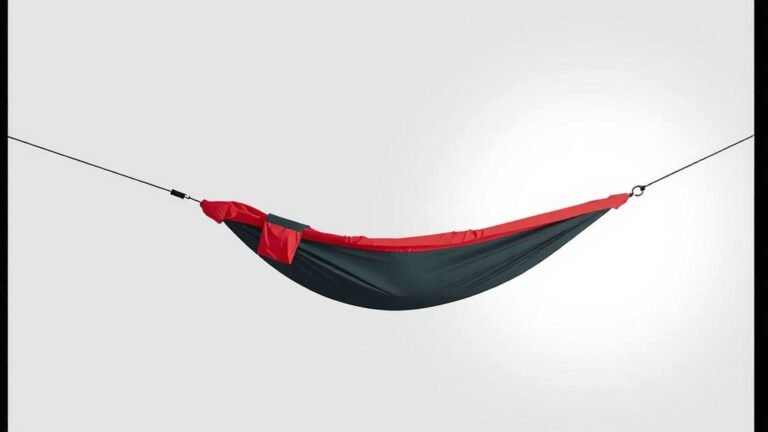

How to Choose the Right Tarp Size for Your Hammock
The easiest way to choose a tarp size for a hammock is to pick one that’s at least 2 feet longer and wider than your hammock. For most standard hammocks, that means a tarp around 10 to 12 feet long. This gives you enough coverage to block rain and wind from every angle.
But size isn’t the only thing that matters. You’ll also want to think about your camping conditions, how much coverage you need, and the tarp’s shape. We researched what experienced campers and gear experts recommend, and we found that the right tarp can make or break a rainy night outdoors. Nothing ruins a camping trip faster than waking up soaked, right?
- Match your tarp to your hammock — add at least 2 feet on each side.
- A 10 to 12-foot tarp works for most single and double hammocks.
- Check the weather — wind and rain call for bigger coverage.
- Consider tarp shapes like rectangles, asymmetrical cuts, and hex tarps.
- Weight and packed size matter if you’re carrying your gear on your back.
Below, we break down everything you need to know about picking the perfect tarp size, step by step. Let’s make sure your next nap stays nice and dry.
Picking the Right Tarp Size for Your Hammock
The quickest answer: measure your hammock, then add at least 2 feet to the length. If your hammock is 9 feet long, a tarp in the 11 to 12-foot range will serve you well. We found that most campers who size up this way stay dry without hauling around more fabric than they need.
Measure Your Hammock First
Before you shop, grab a tape measure. Stretch your hammock out the way it would hang, then write down the length. Most single hammocks run about 8 to 9 feet. Double hammocks can hit 10 to 11 feet.
Don’t forget the suspension. Tree straps and whoopie slings add a few inches on each end. Many experts say you should measure from ridge line to ridge line, not just fabric to fabric. That small detail saves you from a tarp that’s two inches too short. Ask us how we know. (Okay, we researched it, and plenty of soggy campers learned the hard way.)
Why a Little Extra Coverage Goes a Long Way
Rain doesn’t fall straight down. Wind pushes it sideways, and it can sneak under the edges of a tarp that’s exactly the same size as your hammock. That extra 2-foot overhang acts like an umbrella for your whole setup.
Think of it like a porch roof. A roof that only covers the front door keeps the door dry. A bigger roof keeps you dry while you fumble with your boots. Same idea here.
Tarp Shapes and How They Change Coverage
Size matters, but so does shape. Two tarps with the same footprint can protect very different areas. Here’s a quick breakdown of the most common cuts.
Rectangular Tarps
These are the classic choice. A plain rectangle gives you maximum coverage and lets you rig doors, awnings, or full enclosures. If you camp in stormy weather, this is the shape we’d point you toward first.
The tradeoff? Weight. Rectangles use more fabric, so they pack bigger and heavier than other styles.
Hex and Asymmetrical Tarps
Hex tarps have six sides and trimmed corners. They cut weight while keeping good coverage over the middle of your hammock. Asymmetrical (or “cat-cut”) tarps follow the curve of a hanging hammock, so they shed wind better and sag less.
Many experts say these shapes are great for fair-weather campers and ultralight hikers. If you expect driving rain, though, the trimmed corners can leave gaps.
When Corners Cut Both Ways
Picture a thunderstorm rolling in sideways. Those trimmed corners that saved you half a pound can now funnel rain right onto your foot end. If storms are in the forecast, size up or pick a full rectangle.
Tarp Size Guide by Hammock Type
To make this easy, here’s a simple chart. Match your hammock to a starting tarp size, then adjust for weather.
| Hammock Type | Typical Length | Suggested Tarp Size |
|---|---|---|
| Single hammock | 8–9 feet | 10–11 feet |
| Double hammock | 10–11 feet | 12–13 feet |
| Ultralight hammock | 7–8 feet | 9–10 feet |
| Camping with gear storage | Any size | Add 1–2 feet of coverage |
Use these numbers as a starting point, not a rule. Your local weather gets the final vote.
Weather Conditions Change Everything
A light drizzle and a three-day soaker are not the same problem. We found that weather is the single biggest factor in how much tarp you actually need.
Camping in Rain
Steady rain calls for a tarp that extends well past both ends of your hammock. Water running off the edges can wick up your suspension lines and drip straight onto your back. Many campers add dripline rings or simple line wraps to stop this.
Cold, wet conditions also carry a real health risk. The CDC notes that hypothermia can set in when your body loses heat faster than it can make it, and wet gear speeds that up. Staying dry isn’t just about comfort. It’s about safety.
Dealing with Wind
Wind turns rain sideways and turns a loose tarp into a sail. NOAA recommends checking forecasts before any outdoor trip, and we’d double that advice for hammock campers. Storms build fast in the mountains.
For windy spots, pick a tarp that hangs lower and closer to your hammock. A big tarp pitched high catches gusts like a kite. A snug pitch stays put.

Weight and Packed Size on the Trail
If you’re car camping, weight barely matters. If it’s going on your back, it matters a lot. Tarp weights can swing from under 8 ounces for silnylon hex tarps to over 2 pounds for heavy canvas rectangles. Our guide to choosing a backpacking hammock covers these pack-weight tradeoffs in more detail.
Here’s a simple way to think about it: every pound on your back feels like more by mile eight. Ask yourself what you’re really trading. A few extra ounces for full storm coverage? Or a lighter load with just enough fabric for a calm night?
Many experts say silnylon and Dyneema tarps hit a sweet spot. They’re light, pack small, and still handle rough weather well.
Your Pre-Trip Tarp Checklist
Before you zip up your pack, run through this quick list.
- Measure your hammock, including straps and suspension.
- Add 2 feet of tarp length beyond each end.
- Check the forecast for rain, wind, and temperature drops.
- Match the shape to the conditions, rectangle for storms, hex for calm trips.
- Weigh your tarp if you’re carrying it on your back.
- Practice your pitch at home, so you’re not learning in the rain.
That last one might be the most important. A perfect tarp pitched wrong is just expensive shade. Five minutes of practice in your backyard beats twenty minutes of swearing at guylines while rain soaks your sleeping bag.
Conclusion
Choosing the right tarp size comes down to a simple formula: measure your hammock, add at least 2 feet to the length, and let the weather guide the rest. A 10 to 12-foot tarp covers most setups, but a stormy forecast might push you toward a bigger rectangle, while a calm overnight hike could call for a lighter hex cut. We researched what seasoned hammock campers recommend, and they all agree on one thing: the tarp you pitch matters as much as the hammock you sleep in. So before your next trip, grab a tape measure, check the forecast, and practice your pitch in the backyard. Your dry, well-rested self will thank you at mile eight.
Frequently Asked Questions
Can a tarp be too big for a hammock?
Yes, but it’s usually a better problem than being too small. An oversized tarp adds weight, catches more wind, and can be trickier to pitch snugly in gusty conditions. If you’re car camping, go big without worry. If you’re backpacking through open or windy terrain, a trimmer cut often performs better.
Should a hammock tarp cover the ends of the hammock?
Absolutely. The foot end and head end are the two spots where rain and wind sneak in first. We found that a tarp extending at least a foot past each end keeps spray off your gear and your sleeping bag. Equal overhang on both ends is the goal.
Is a 10×10 tarp big enough for a hammock?
For most single hammocks, yes. A 10×10 tarp gives you about a foot of coverage past each end of a standard 8 to 9-foot hammock. It works well in light to moderate weather. For double hammocks or storm camping, we’d suggest stepping up to at least 12 feet.
How high should I hang my tarp over my hammock?
A good starting point is about chest height, roughly 4 to 5 feet off the ground at the ridgeline. Pitch it lower and tighter if wind or sideways rain is in the forecast. The lower the tarp sits, the less weather can curl underneath it.
Do I need a special hammock tarp, or will any tarp work?
Any waterproof tarp will keep you dry in a pinch, and plenty of campers start with a basic hardware store rectangle. Dedicated hammock tarps just save you weight and come with tie-out points placed where you actually need them. If you camp often, we found the upgrade is worth it.