Understanding Hammock Gear: A Comprehensive Guide
Hammock gear refers to all the essential equipment you need to set up and comfortably enjoy a hammock, especially for camping or outdoor relaxation. This includes the hammock itself, suspension systems like straps or ropes, and often a bug net or tarp for protection from the elements. Getting the right hammock gear means you can experience a truly relaxing hang, whether you’re in your backyard or deep in the woods.
Beyond the basic hammock, your setup might include a sleeping pad for insulation and a quilt or sleeping bag for warmth, depending on the conditions. We found that a well-thought-out hammock setup prioritizes comfort, portability, and protection. It’s about creating your own cozy, elevated sanctuary wherever you go.
- Hammock gear is everything you need for a comfortable hammock experience.
- Key items include the hammock, suspension, and protection like tarps.
- Sleeping gear like pads and quilts are also often part of a setup.
- The goal is comfort, portability, and protection outdoors.
Ready to learn more about building your perfect hammock setup? Below, we’ll dive into the specifics of each piece of hammock gear you might need.
“`htmlUnderstanding Your Hammock Gear Essentials
So, what exactly makes up hammock gear? Think of it as your personal comfort kit for sleeping or lounging off the ground. It’s everything you need to hang securely and comfortably, no matter where your adventures take you. We’ve found that understanding each component helps you build the perfect setup.
The Heart of Your Setup: The Hammock Itself
Of course, you need a hammock! These come in various materials and designs. Your choice depends on your priorities: weight, durability, or sheer comfort. Many outdoor enthusiasts prefer hammocks made from ripstop nylon. This material is lightweight and incredibly strong. It dries quickly, too, which is a big plus if you’re caught in a sudden shower.
Types of Hammocks
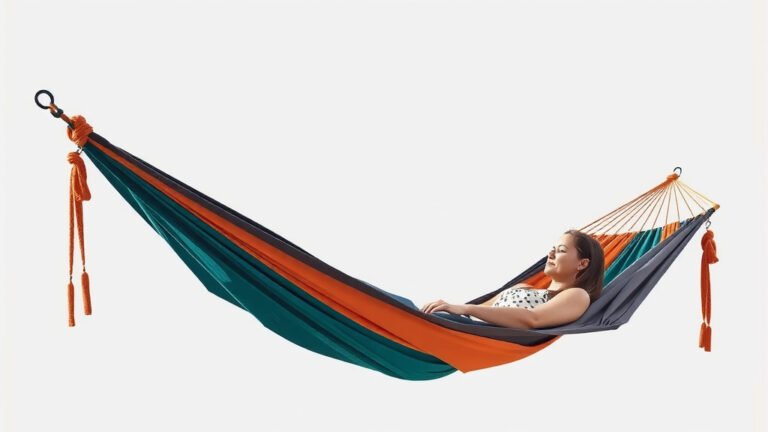
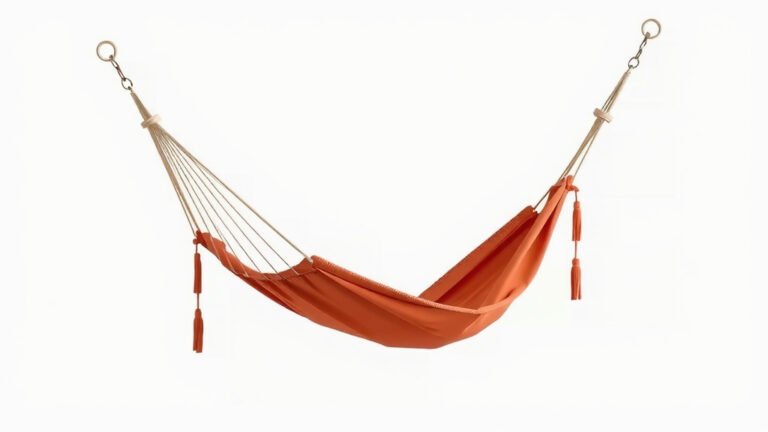
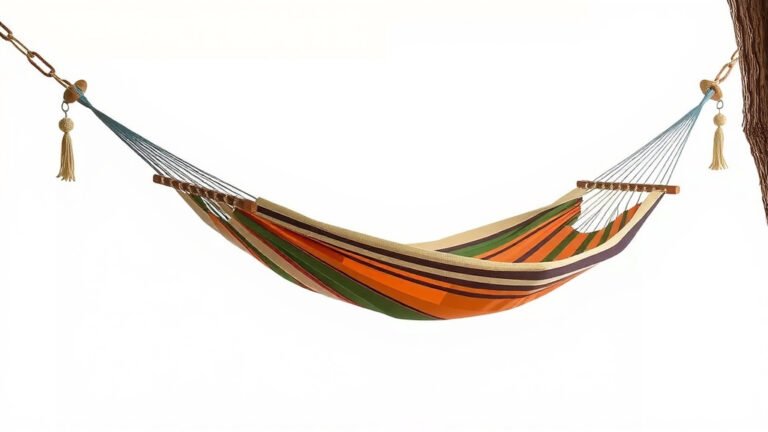
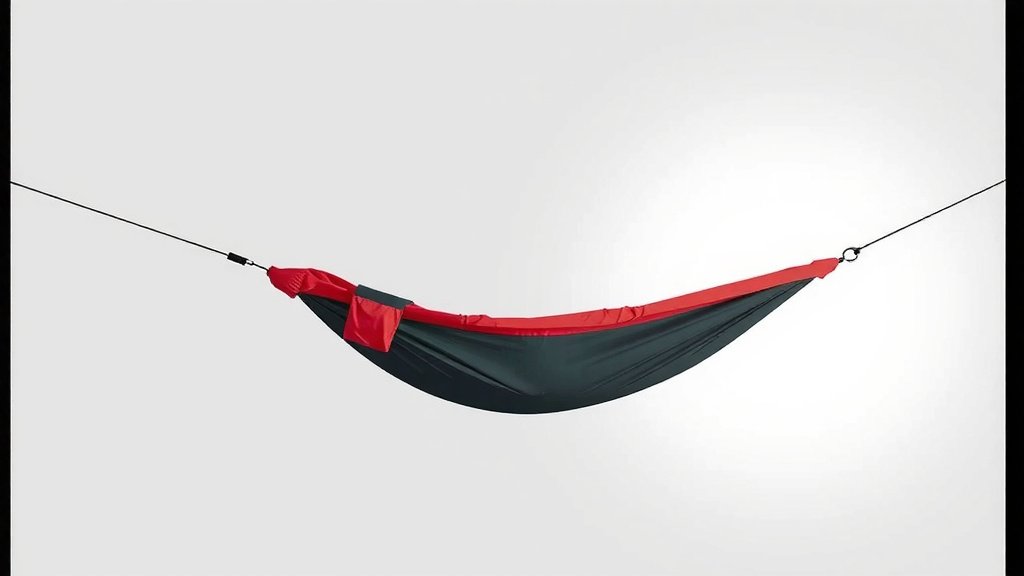
You’ll see two main types: gathered-end and bridge hammocks. Gathered-end hammocks are the most common. They look like a classic hammock, with the fabric gathered at each end. This design naturally cradles your body for a comfy, cocoon-like feel. Bridge hammocks are more like a traditional bed, with spreader bars at each end to keep the fabric flat. They offer a more spacious sleeping surface.
Hammock Size and Weight Capacity
Consider the size. A longer hammock often means a more comfortable lay, especially if you’re tall. Always check the weight capacity. It’s essential for safety and to prevent damage to your hammock. Most standard camping hammocks can hold at least 250-400 pounds. Always ensure your hammock can support your weight plus any gear you might have with you.
Hanging It Up: Suspension Systems
How do you attach your hammock to trees? That’s where suspension systems come in. These are vital pieces of gear. They ensure your hammock is hung securely. You don’t want to worry about falling while you’re trying to relax, right?
Straps vs. Rope
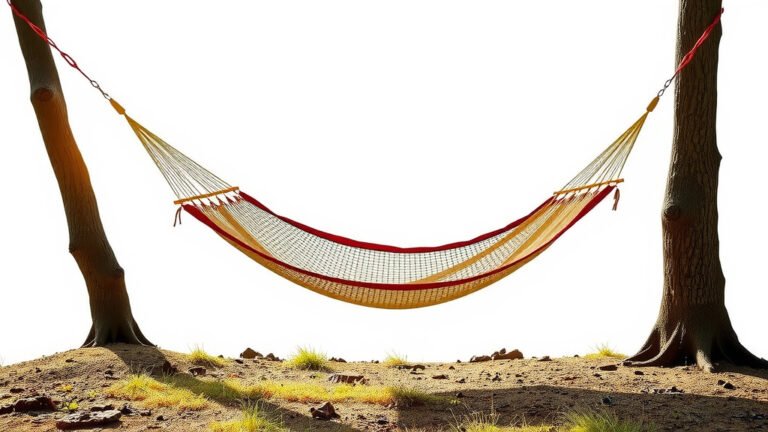
The most popular option is tree straps. These are wide, flat webbing straps that wrap around a tree. They distribute your weight evenly. This helps protect the tree’s bark from damage. Many experts recommend tree straps for this very reason (US Forest Service). Rope is another option. It’s lighter but can potentially harm tree bark if not used carefully. If you use rope, consider using a tree-saving sleeve.
Hardware and Adjustability
Your suspension might also include carabiners or whoopie slings. Carabiners are metal clips used to attach the hammock to the straps. Whoopie slings are adjustable cords that allow for easy tensioning. Many setups are designed for quick setup and takedown. This is a big win when you’re tired after a long day of hiking.
Shelter from the Storm: Tarps and Bug Nets
What happens when the weather turns or the bugs come out? Hammock gear often includes protection. Tarps are essential for rain and sun shelter. Bug nets keep those pesky insects at bay. These are not just for comfort; they are for practical protection.
Hammock Tarps
Hammock tarps come in different shapes and sizes. Common shapes include hex, rectangular, and catenary-cut. Hex tarps are popular for their lightweight design and good coverage. They can be pitched in various configurations to block wind and rain. The size of the tarp you need depends on the coverage you want. A larger tarp offers more protection but adds weight.
Bug Nets
If you’re camping in an area with lots of mosquitoes or other biting insects, a bug net is a must-have. Many hammocks have integrated bug nets. You can also buy them separately. These nets typically zip around the hammock, creating a fully enclosed space. It’s like your own little screened-in porch, suspended in the air!
Staying Warm and Cozy: Insulation and Bedding
Sleeping outdoors means managing your body temperature. Hammocks can be surprisingly cool, even in moderate weather. This is because air circulates all around you. Therefore, you often need extra insulation.
Underquilts
An underquilt is a game-changer for cold-weather hammock camping. It hangs underneath your hammock. It traps warm air between you and the hammock. Many sources suggest that an underquilt is far more effective than just a sleeping bag alone for hammock camping (REI).
Sleeping Pads and Top Quilts
You can also use a sleeping pad inside your hammock. Look for a pad designed for camping, as they offer good insulation. Some people use a combination of a pad and a top quilt. A top quilt is similar to a sleeping bag but open on the bottom. This allows it to work better with the hammock’s shape. We found that layering is key to staying comfortable.
Essential Accessories for Your Hang
Beyond the main components, a few accessories can really enhance your hammock experience. These might not be strictly necessary, but they sure make things easier and more enjoyable.
- Gear Loft: A small net bag that hangs above your hammock. It keeps your phone, headlamp, and other small items organized and within reach.
- Stakes and Guylines: If you’re pitching your tarp without trees, you’ll need stakes to secure it to the ground. Guylines help tension the tarp.
- Ridge Line: A fixed-length cord that runs the length of your hammock. It ensures consistent sag and makes hanging your tarp easier.
- Stuff Sack: Most hammocks and tarps come with a stuff sack. This keeps everything compact and protected when not in use.
Creating Your Perfect Hammock Setup Checklist
Ready to pack for your next adventure? Here’s a quick checklist to help you gather your hammock gear:
- Hammock body
- Suspension system (straps, carabiners)
- Tarp for weather protection
- Bug net (if needed)
- Underquilt or sleeping pad for insulation
- Top quilt or sleeping bag for warmth
- Stuff sack for transport
Conclusion
You now understand that hammock gear is your personal toolkit for comfortable outdoor living. It’s more than just a hammock; it’s a system designed for your comfort, portability, and protection. From the sturdy hammock body and reliable suspension to essential shelters like tarps and bug nets, each piece plays a role. Don’t forget the insulation for cooler nights. Now you’re ready to build your own elevated sanctuary. Start by gathering the essential checklist items for your next hang!
Frequently Asked Questions
Can I use regular rope to hang my hammock?
While you can use rope, we found that tree straps are generally recommended by experts. Wide straps distribute weight better and protect tree bark from damage, which is crucial for forest health. If you opt for rope, consider using a tree-saving sleeve to minimize harm.
What’s the difference between a gathered-end and a bridge hammock?
Gathered-end hammocks, the most common type, use gathered fabric at each end to create a cocoon-like feel. Bridge hammocks use spreader bars to create a flatter, more bed-like surface, offering a different kind of comfort and space.
Do I really need an underquilt for hammock camping?
Yes, especially if you plan to camp in cooler weather. Hammocks allow air to circulate underneath, making them feel colder than a tent. An underquilt hangs below your hammock and traps warm air effectively, keeping you much cozier than just a sleeping bag alone.
How do I keep bugs out of my hammock?
A bug net is essential if you’re in an area with insects. Many hammocks come with an integrated net, or you can purchase one separately. These nets zip around the hammock, creating a sealed, comfortable space away from mosquitoes and other biting pests.
Are hammock tarps waterproof?
Most hammock tarps are designed to be water-resistant or waterproof. They are typically made from coated nylon or polyester fabrics. The shape and size of the tarp will determine how much protection you get from rain and wind, so choose one that suits your needs.