Hammock Suspension Systems Explained: What You Need to Know
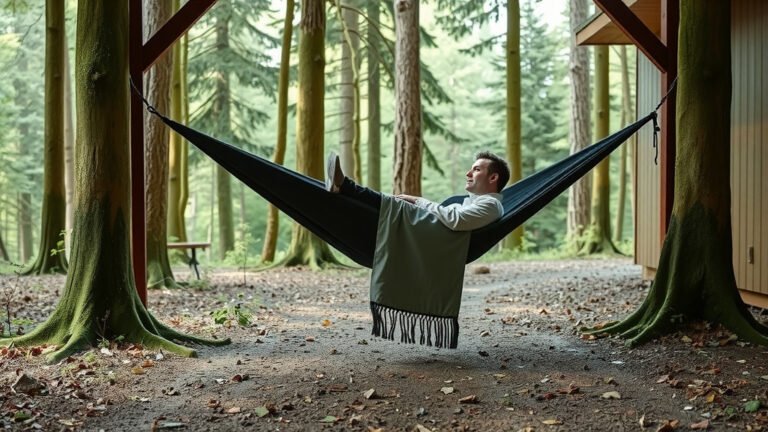
Hammock suspension systems are straps, ropes, or carabiners used to hang your hammock. They are essential for a secure and comfortable hang. Choosing the right system ensures your hammock stays put, whether you’re in your backyard or the wilderness.
Understanding your hammock suspension system means you can set up camp faster. It also helps you pick the best gear for different environments. We found that the right setup prevents damage to trees and makes your relaxation time worry-free.
- Straps, ropes, and carabiners are common.
- They connect your hammock to anchor points.
- Proper suspension is key for safety.
- It also protects trees from harm.
Below, we break down everything you need to know about hammock suspension systems to get you hanging like a pro.
Understanding Your Hammock Hang: A Guide to Suspension Systems
Your hammock suspension is what keeps you safely off the ground. It’s the link between your hammock and the trees, poles, or other anchor points. Think of it as the hammock’s backbone. We found that the right suspension system makes all the difference for comfort and peace of mind.
Types of Hammock Suspension
There are a few main ways to hang your hammock. Each has its pros and cons depending on where you are and what you’re doing. Let’s break them down so you can choose wisely.
Whoopie Slings: The Adjustable Favorite
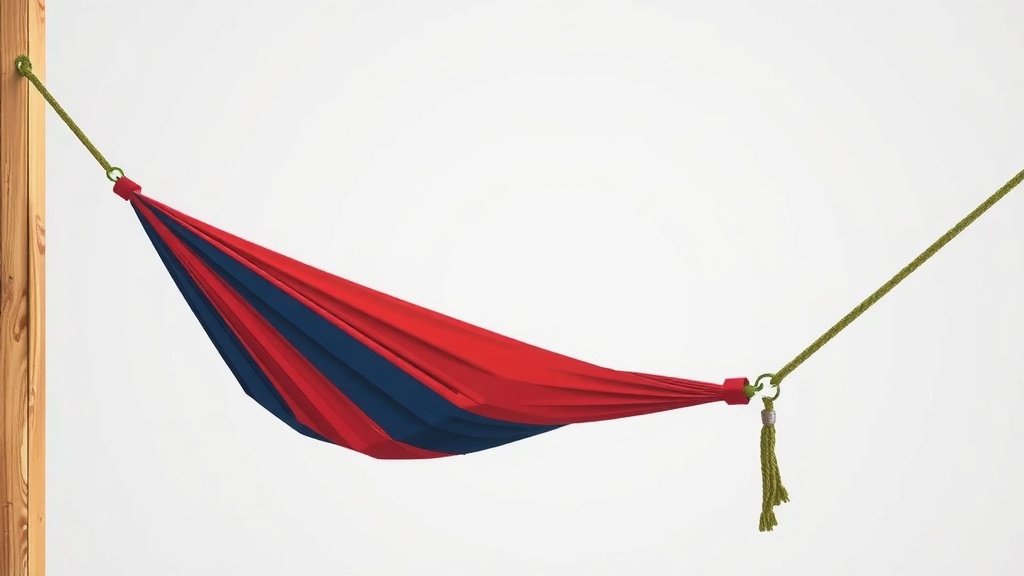
Whoopie slings are a popular choice for backpackers and campers. They are made from a continuous loop of rope. This rope has a “bridle” or “thimble” that creates an adjustable loop. You simply slide the knot to tighten or loosen your hang. Many hammock enthusiasts choose them for their ease of adjustment. We found they offer a great balance of weight and adjustability.
Straps: Tree-Friendly and Simple
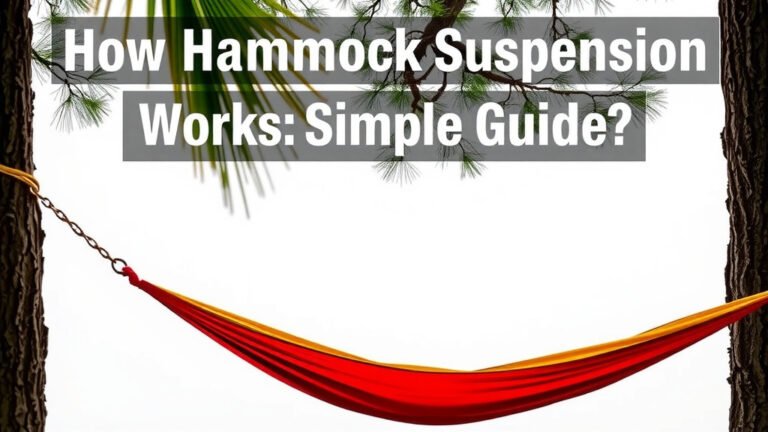
Hammock straps are typically made of webbing, similar to seatbelts. They wrap around a tree and then connect back to your hammock. Most straps come with multiple loops sewn into them. You just clip your carabiner into the loop that gives you the perfect tension. This design is very tree-friendly because it distributes your weight over a wide area. We discovered that many park systems and conservation groups recommend using only straps to protect trees.
- Webbing distributes weight.
- Protects tree bark from damage.
- Easy to set up and adjust.
Rope and Carabiners: The Classic Setup
The most basic suspension involves rope and carabiners. You tie the rope around a tree, creating a loop. Then, you clip your hammock to this loop using a carabiner. While simple, tying secure knots can take practice. Some people worry about rope cutting into tree bark. Research suggests that using a wider strap over the rope can help prevent this damage (USDA Forest Service). Carabiners are strong metal clips that securely connect your hammock to the suspension.
Suspension System Components
No matter the type, most suspension systems share common parts. Understanding these parts will help you assemble and use your gear effectively. It’s like knowing your car’s engine parts to drive smoothly.
Webbing Straps
As mentioned, these are broad strips of strong fabric. They are designed to wrap around anchor points without causing harm. Look for straps made of polyester or nylon. These materials offer good strength and durability for outdoor use.
Rope/Cordage
If you’re using rope, you’ll want something strong and low-stretch. Amsteel or Dyneema are popular choices for ultralight setups. For backyard hammocks, a good quality nylon or polyester rope will work well. You’ll need enough length to reach between your anchor points.
Carabiners
These are essential for connecting different parts of your system. For hammocks, you want carabiners that are strong and easy to operate. Locking carabiners offer extra security. They prevent accidental opening. Some hammock users prefer carabiners that are specifically designed for climbing or utility use.
Hardware (Optional)
Some systems use buckles, toggles, or specialized hardware. These can simplify adjustment or connection. For instance, some strap systems use a metal buckle to create an adjustable loop. This avoids knots altogether.
Choosing the Right Suspension for You
Your environment and intended use play a big role. Think about where you’ll be hanging most often. This will guide your decision.
For Backyard Lounging
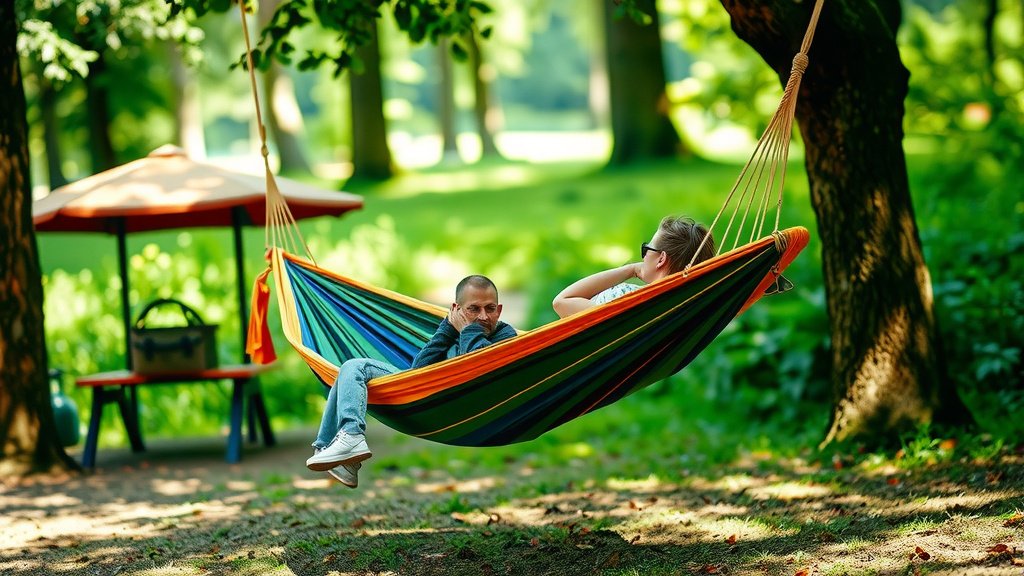
If your hammock stays in one place, simplicity and comfort are key. Wide webbing straps are a fantastic choice. They are easy to set up and take down. They also protect your trees year after year. You might also consider a stand if trees aren’t available. Stands offer a stable, tree-free solution.
For Backpacking and Camping
Weight and packability become very important here. Whoopie slings are excellent for backpackers. They are lightweight and highly adjustable. You can fine-tune your hang angle easily. Many ultralight backpackers choose them. Hammock suspension systems designed for hiking aim to be as light as possible.
Environmental Considerations
Always be mindful of where you hang. Using tree-friendly straps is a good practice. Many parks and forest services have rules about hammock use. These rules often require specific types of suspension. Following these guidelines helps preserve natural areas. Research suggests that minimizing impact is everyone’s responsibility (Leave No Trace Center for Outdoor Ethics).
Key Features to Look For
When shopping for a suspension system, keep these features in mind. They will ensure you get a reliable and comfortable setup.
- Adjustability: How easy is it to change the tension or length?
- Weight Capacity: Ensure it can support your weight plus any gear.
- Durability: Look for strong materials that can withstand weather.
- Tree-Friendliness: Wider straps are generally better for tree health.
- Ease of Use: Can you set it up quickly and confidently?
A Quick Comparison Table
Here’s a simple way to see the differences between common suspension types:
| Suspension Type | Pros | Cons | Best For |
|---|---|---|---|
| Whoopie Slings | Lightweight, highly adjustable, compact | Can be more complex to learn knot adjustment | Backpacking, ultralight camping |
| Webbing Straps | Tree-friendly, easy to use, no knots needed | Can be bulkier than whoopie slings | Backyard, car camping, beginners |
| Rope & Carabiners | Simple components, often inexpensive | Requires knot tying skill, potential tree damage | Casual use, budget-conscious |
Setting Up Your Hammock: A Checklist
Ready to hang? Follow these steps for a successful setup:
- Choose strong anchor points: Trees, posts, or a hammock stand.
- Inspect your anchor points: Ensure they are stable and healthy.
- Attach your suspension: Wrap straps or tie ropes securely.
- Connect your hammock: Use carabiners or other connectors.
- Adjust tension: Get a comfortable, supportive hang.
- Test gently: Sit in your hammock slowly before fully reclining.
Conclusion
You now have a solid understanding of hammock suspension systems. You know the different types, from adjustable whoopie slings to tree-friendly straps. You also learned about their components and how to choose the best system for your needs. Remember, the right suspension keeps you safe and protects the environment. Your next step is to pick a system that fits your adventures. Then, practice setting it up so you can relax worry-free!
Frequently Asked Questions
Are hammock straps really better for trees than rope?
Yes, research and experience show that wide webbing straps are much better for trees. They distribute your weight over a larger surface area. This prevents the rope from digging into the bark and causing damage. Many parks and natural areas require or recommend straps for this reason.
How do I know if my suspension system can hold my weight?
Always check the weight capacity listed by the manufacturer. Most hammock suspension systems are designed to hold at least 300-400 pounds. For safety, it’s wise to choose a system rated for more than your own body weight, especially if you plan to share the hammock or bring gear.
What’s the easiest suspension system for a beginner to use?
For beginners, webbing straps with multiple loops are often the easiest to set up. You simply wrap them around trees and clip your carabiner into the desired loop. This method requires no knot tying and allows for quick adjustments, making your first hangs stress-free.
Can I use my hammock suspension in my backyard if I don’t have trees?
Absolutely! If you lack trees, you can use hammock stands or secure anchor points like sturdy posts or a pergola. Your suspension system will then connect your hammock to these fixed structures, providing a comfortable place to relax right at home.
How much length do I need in my suspension system?
The required length depends on the distance between your anchor points. For trees, aim for suspension systems that are at least 8-10 feet long. This provides enough flexibility to accommodate various tree spacings and allows for proper sag in your hammock for comfort.