Your Ultimate Hammock Camping Gear List
Putting together a hammock camping gear list is simpler than you might think. You’ll need a hammock, suspension system, and a way to stay warm and dry. Thinking about these essential items ensures a comfortable night under the stars. We’ve broken down everything you need.
Beyond the basics, consider items for comfort and weather protection. A good bug net can save your trip. Protection from rain is also key to staying dry and happy. These additions make your hammock setup truly livable.
- Hammock
- Suspension straps
- Bug net
- Tarp (for rain)
- Underquilt (for warmth)
- Sleeping bag or quilt
Ready to get your sleep setup dialed in? Let’s walk through the ideal hammock camping gear list.
Your Essential Hammock Camping Setup
Getting ready for a hammock camping trip means packing the right gear. You want to be comfortable, safe, and protected from the elements. We’ve gathered the key items you’ll need for a fantastic outdoor sleep experience.
The Core Hammock System
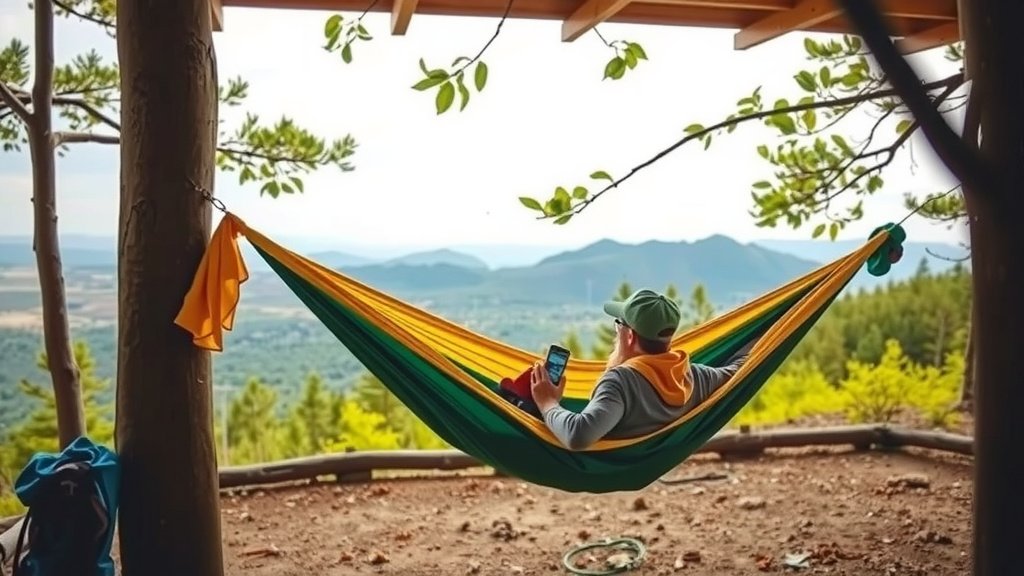
Your hammock itself is just the start. You need a way to hang it securely. Think of it like building a tiny, cozy bedroom in the trees.
Choosing Your Hammock
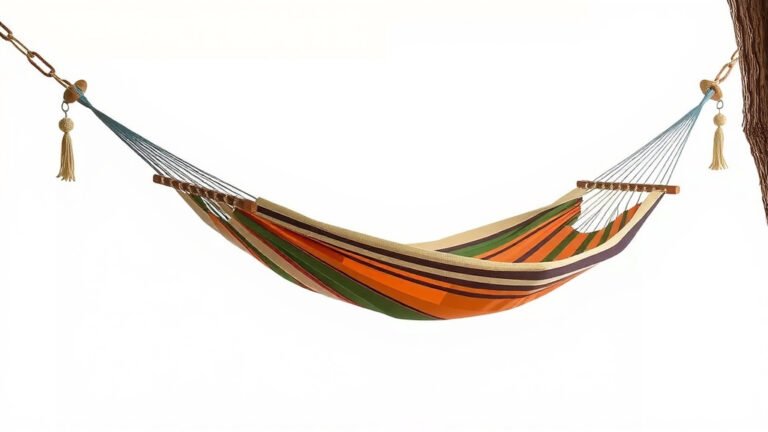
Hammocks come in various materials and sizes. Ripstop nylon is a popular choice. It’s lightweight and durable. Most hikers opt for a hammock that’s at least 9 feet long. This provides ample space for sleeping. Check the weight limit to ensure it’s suitable for you and any gear you might bring inside.
Suspension: Hanging Your Hammock Safely
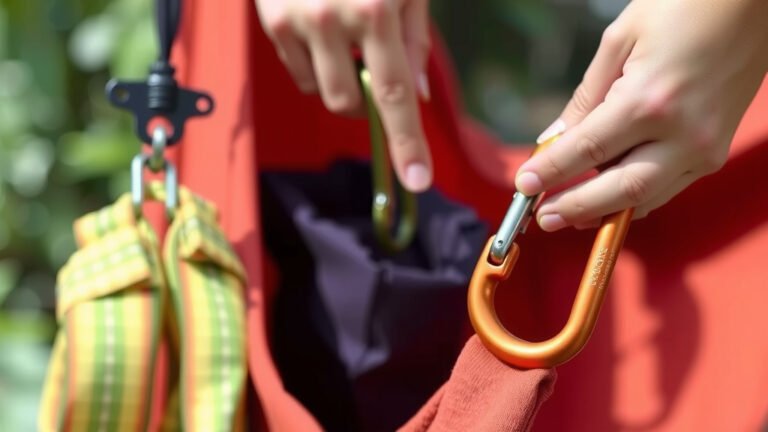
This is how your hammock connects to trees. You have a few options here. Many hammocks come with rope. However, rope can damage tree bark. We found that tree straps are a much better choice. They distribute your weight evenly. This protects the trees. Most straps are adjustable. They make setup much easier.
Webbing vs. Rope Straps
Webbing straps are generally wider. They create less pressure on the tree. Some come with multiple loops for easy adjustment. Rope is lighter and cheaper. But it can cause more harm. Many parks and camping areas recommend or require tree-friendly straps. Always check local regulations.
Bug Netting: Your Defense Against Pests
There’s nothing quite like tiny flying insects to ruin a peaceful night. A bug net is essential in many areas. Look for a net that encloses your hammock fully. Some nets attach directly to the hammock. Others are separate and hang above you. Mesh size matters. A finer mesh will keep out even the smallest gnats. You want to sleep soundly, not swatting all night.
Comfort and Weather Protection
Once you’re hanging, you need to stay comfortable and dry. The weather can change quickly, so preparation is key.
Shelter from Above: The Tarp
A tarp acts as your rain fly. It’s crucial for keeping you dry. Tarps come in different shapes and sizes. Hexagonal tarps are common. They offer good coverage. You can also find rectangular or catenary-cut tarps. Consider the size based on your hammock and how much extra space you want. A larger tarp provides more protection from wind and rain. It can also offer shade on sunny days.
Tarp Pitching Styles
How you pitch your tarp affects its effectiveness. A simple A-frame setup is easy. You can also use a diamond or modified A-frame. Experiment to find what works best for your campsite. Proper pitching creates a watershed. It channels rain away from your hammock. Many experts recommend using stakes and guy lines to secure your tarp firmly.
Staying Warm: The Underquilt
This is perhaps the most misunderstood piece of gear for new hammock campers. You might think your sleeping bag is enough. However, once you get into your hammock, your sleeping bag gets compressed. This reduces its ability to insulate. That’s where an underquilt comes in. It hangs *under* your hammock. It traps a layer of warm air. This is vital for staying toasty on cooler nights.
Underquilt Temperature Ratings
Underquilts are rated by temperature. Choose one appropriate for the season you plan to camp in. A 20°F (-7°C) underquilt is a good all-around choice for many three-season trips. For colder weather, you’ll need a lower-rated underquilt. Many backpackers find that a good underquilt makes a huge difference in comfort. Research from outdoor gear sites often highlights this as a key item for cold-weather hammock camping.
Your Sleeping System: Bag or Quilt
While the underquilt handles warmth from below, you still need something for on top. You can use a traditional sleeping bag. Or, you might prefer a top quilt. A top quilt is essentially a sleeping bag without the bottom insulation. It’s lighter and less restrictive in a hammock. The key is that it works *with* your underquilt to keep you warm.
Essential Accessories Checklist
Beyond the big items, a few smaller things can greatly improve your experience.
- Stuff sacks: To keep gear organized and dry.
- Repair kit: For minor rips or tears in your hammock or tarp.
- Headlamp or lantern: Essential for navigating in the dark.
- Water bottle or hydration reservoir: Stay hydrated on your adventures.
- First-aid kit: Always be prepared for minor injuries.
Putting It All Together: Your Basic List
Here’s a quick rundown of what you absolutely need. Think of this as your starting point:
- Hammock (with integrated bug net, if possible)
- Suspension system (tree straps recommended)
- Tarp
- Underquilt
- Sleeping bag or top quilt
With these items, you’re well on your way to enjoying a comfortable night’s sleep suspended between trees. Remember, practice setting up your gear at home before your trip. This will help you get familiar with everything.
Conclusion
You’ve learned that hammock camping is about more than just a comfortable hang. It’s about building a personalized sleep system that keeps you warm, dry, and pest-free. From selecting the right hammock and suspension to choosing an effective tarp and underquilt, each piece plays a vital role. Don’t forget those small accessories that make a big difference. Your next adventure awaits, so take your gear out for a test run in your backyard. You’ll be sleeping soundly under the stars before you know it.
Frequently Asked Questions
Can I use a regular sleeping bag in a hammock?
Yes, you can use a regular sleeping bag, but it’s not ideal for staying warm. When you lie in your hammock, the sleeping bag gets compressed underneath you. This compression drastically reduces its ability to insulate, leaving you cold. An underquilt is specifically designed to hang below your hammock and trap warm air, preventing this compression issue.
What’s the difference between an underquilt and a sleeping bag?
An underquilt hangs beneath your hammock to provide insulation from the cold air. A sleeping bag is designed to be used on the ground, where its insulation isn’t compressed. For hammock camping, you typically use an underquilt for warmth from below and a sleeping bag or top quilt for warmth from above.
Are tree straps really necessary? Can’t I just use rope?
Tree straps are highly recommended over rope for hanging your hammock. Rope can dig into tree bark and cause damage, which is often against park regulations. Tree straps are wider and distribute your weight more evenly, protecting the trees. Many are also designed for easy adjustment, making setup simpler and safer for both you and the environment.
How do I keep bugs out of my hammock?
A dedicated bug net is essential for a comfortable hammock camping experience, especially in warmer months or areas with many insects. Look for a net that fully encloses your hammock. Some nets are integrated into the hammock itself, while others are separate and hang above. Ensure the mesh is fine enough to keep out even the smallest biting insects.
What kind of tarp do I need for rain protection?
For rain protection, you’ll want a tarp that’s large enough to cover your hammock and provide some extra space. Hexagonal or rectangular tarps are common choices. Consider the dimensions based on your hammock size and how much wind and rain coverage you need. Proper pitching with stakes and guy lines is key to ensuring water runs off and away from your sleeping area.