Are Your Hammock Straps Tree Friendly? A Guide
You can tell if hammock straps are tree-friendly by checking their width and the material they are made from. Wider straps, generally 1 inch or more, distribute your weight better. Look for straps made of nylon or polyester, as these are strong and less likely to damage bark.
Choosing the right straps protects the trees you love to hang from. If your straps are too thin or made of rough material, they can cut into the bark. This can harm the tree’s health. We want our favorite hanging spots to stay healthy for years to come, right?
- Check strap width.
- Inspect strap material.
- Avoid rough or abrasive materials.
- Wider straps are usually better for trees.
- Proper straps help keep trees healthy.
Below, we’ll walk you through the key features to look for to ensure your hammock setup is kind to nature.
Choosing Tree-Friendly Hammock Straps
You want to hang your hammock, relax, and enjoy the great outdoors. But how do you make sure your hammock setup isn’t harming the trees? It’s a common concern for outdoor lovers. Thankfully, identifying tree-friendly straps is pretty straightforward. You just need to know what to look for.
We’ve researched what makes hammock straps kind to trees. It mainly comes down to how they spread pressure and what materials they’re made from. Let’s break down the key features so you can make an informed choice for your next outdoor adventure.
Understanding Strap Width and Tree Health
The width of your hammock straps is a really important factor. Think of it like wearing shoes. If you wear very narrow, high heels on soft ground, you’ll sink in and maybe damage the surface. Wider shoes distribute your weight more evenly.
Why Width Matters
Wider straps offer a larger surface area. This means your hammock’s weight is spread out over a bigger section of the tree’s bark. This is much better for the tree than thin straps that can dig in. Many outdoor organizations recommend a minimum width of 1 inch for tree straps (The Leave No Trace Center for Outdoor Ethics).
When weight is concentrated on a small area, it can damage the tree’s cambium layer. This layer is just beneath the bark and is vital for the tree’s growth and nutrient transport. Damaging it can weaken the tree. Wider straps help prevent this kind of damage. You’ll often see straps marketed as “tree-saver” straps because of this feature.
Recommended Strap Widths
For most hammock users, straps that are 1 inch wide or even 1.5 inches wide are excellent choices. They provide a great balance of strength, weight distribution, and ease of use. Anything less than 1 inch might start to concentrate pressure too much, especially for heavier loads or longer hangs.
Material Makes a Difference
Beyond width, the material your hammock straps are made from plays a significant role in tree health. Some materials are smooth and strong, while others can be rough and abrasive.
The Best Materials for Tree Straps
We found that nylon and polyester are the top choices for tree-friendly hammock straps. These synthetic fabrics are known for their durability and strength. They are also relatively smooth, which helps protect the tree bark.
- Nylon: This material is strong, flexible, and has good abrasion resistance. It’s a common and reliable choice for outdoor gear.
- Polyester: Also very strong and durable, polyester has excellent UV resistance, meaning it holds up well in sunlight. It’s another excellent option for protecting trees.
Materials to Be Cautious Of
While less common for dedicated hammock straps, you might encounter other materials or accessories. Be wary of anything that feels rough, abrasive, or sharp. Materials like thin wire, rope with a coarse texture, or even some older webbing types could potentially harm the bark.
If a strap feels like it could scratch your skin easily, it might do the same to a tree. It’s best to stick with materials specifically designed for gentle tree contact. Always inspect your gear before use.
Looking at the Stitching and Hardware
It’s not just the main strap material. Even the stitching and any hardware (like buckles or carabiners) can affect how tree-friendly your setup is.
Stitching Quality
Well-made straps will have strong, neat stitching. Poor stitching can create weak points. More importantly for trees, loose or rough stitching could potentially snag or abrade the bark over time. Most reputable brands use strong, high-quality stitching that won’t pose a risk.
Hardware Considerations
If your straps have metal buckles or adjusters, ensure they are smooth. Any sharp edges on hardware could rub against the bark. Often, hammock strap systems use loop systems or adjustable buckles designed to avoid direct, sharp contact with the tree. If you’re unsure, consider using a webbing protector or a material buffer between the hardware and the tree.
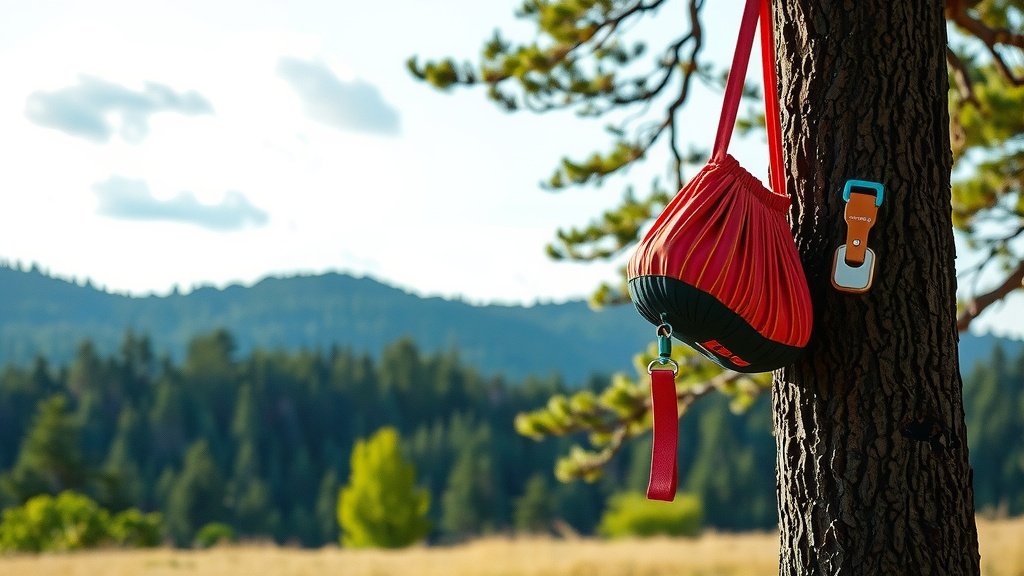
How to Check Your Straps: A Quick Guide
You don’t need to be an arborist to check your straps. Here’s a simple checklist to help you decide if your current straps are tree-friendly:
- Width: Are they at least 1 inch wide?
- Material: Are they made of smooth nylon or polyester?
- Feel: Do they feel smooth to the touch, or rough and abrasive?
- Hardware: Are buckles and adjusters smooth, without sharp edges?
- Damage: Do the straps show signs of wear that could create rough spots?
- Brand Reputation: If unsure, check reviews or brand information about their commitment to tree-friendly design.
Comparing Strap Types: A Quick Table
To help you visualize, here’s a quick comparison of common strap characteristics.
| Feature | Tree-Friendly Option | Less Tree-Friendly Option |
|---|---|---|
| Width | 1 inch or wider | Less than 1 inch |
| Material | Smooth nylon or polyester | Rough, abrasive, or unknown synthetics |
| Surface Feel | Smooth, soft | Coarse, scratchy |
| Hardware | Smooth, rounded edges | Sharp, rough edges |
Using this table can help you quickly assess the suitability of your hammock straps for your next camping trip. Prioritizing these features ensures you can relax knowing you’re respecting the trees.
Conclusion
You’ve learned that keeping trees healthy while hanging your hammock is all about smart choices. It boils down to checking the width of your straps—aim for at least 1 inch—and the material they’re made from, with smooth nylon or polyester being your best bet. By paying attention to these details and inspecting any hardware, you protect the tree’s vital layers from damage. Now you’re equipped to choose straps that are both reliable for your comfort and kind to the environment. So, the next time you plan a hang, make sure your gear is ready to be tree-friendly, and go enjoy that suspension bliss!
Frequently Asked Questions
Are all hammock straps made of nylon or polyester?
No, not all hammock straps are made from these materials. While nylon and polyester are common and recommended for being tree-friendly, you might find some straps made from other synthetics or even natural fibers. Always check the product details to be sure.
Can I use rope instead of hammock straps?
While possible, rope is generally less tree-friendly than wide, flat straps. Thin ropes, especially rough ones, can concentrate pressure and cut into tree bark. If you must use rope, opt for a wide, soft rope and consider using a buffer material around the tree.
What is the minimum width for tree-friendly hammock straps?
The general consensus and recommendation from outdoor ethics organizations is a minimum width of 1 inch for hammock straps. Straps wider than this, like 1.5 inches, offer even better weight distribution and are considered ideal for tree protection.
Do carabiners hurt trees if they touch the bark?
Metal carabiners can potentially scratch or abrade tree bark if they rub against it, especially if they have sharp edges. It’s best to use strap systems that minimize direct contact, or use a webbing protector or a buffer between the carabiner and the tree trunk.
How often should I inspect my hammock straps for damage?
You should inspect your hammock straps before each use, especially if they are older or have seen a lot of use. Look for any signs of fraying, cuts, or worn spots, as these can create rough areas that might harm tree bark or compromise the strap’s strength.