What is a Hammock Topquilt? Your Ultimate Guide
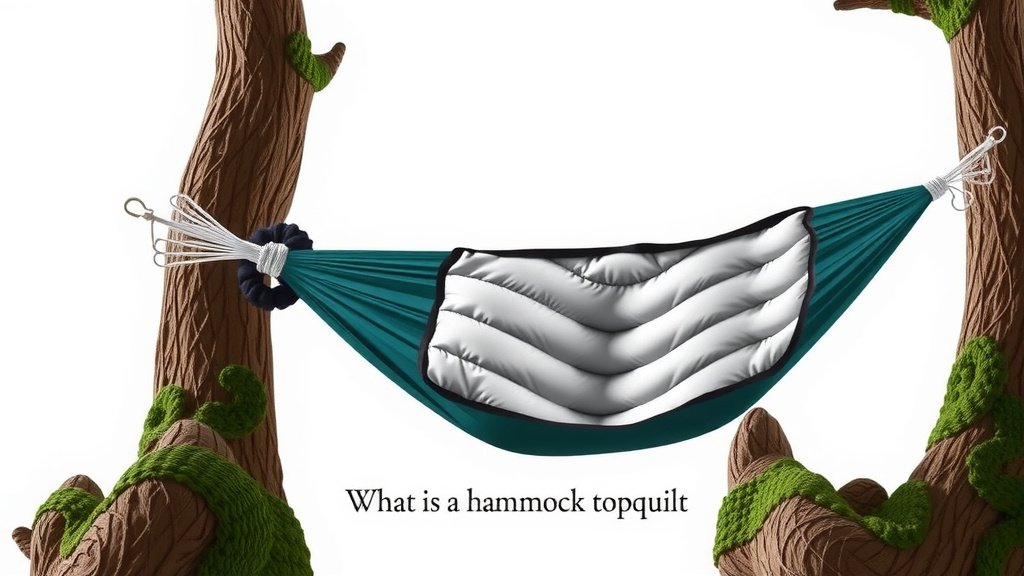
A hammock topquilt is essentially a lightweight, bag-like blanket. It’s designed specifically to keep you warm and comfortable while you sleep in a hammock. Think of it as a very efficient sleeping bag that’s open on the bottom, letting you wrap it around yourself like a quilt.
Unlike a traditional sleeping bag that you get inside of, a hammock topquilt uses your body weight to create a snug seal. This helps to trap heat effectively and prevent drafts. Many hammock campers find it to be a much more comfortable and versatile sleeping solution for overnight trips. It’s a popular choice for reducing weight and bulk.
- A hammock topquilt is a warm, open-bottomed blanket.
- It’s made for sleeping comfortably in a hammock.
- It uses your body to seal out drafts and keep heat in.
- It’s lighter and often more comfortable than a traditional sleeping bag.
- It’s a key piece of gear for hammock camping.
Ready to learn more about how these amazing quilts work and why they’re so popular with hammock enthusiasts? Let’s dive in!
Understanding the Hammock Topquilt System
A hammock topquilt is a specialized piece of gear for hammock camping. It’s designed to provide warmth and comfort while you sleep suspended in the air. Think of it as a sleeping bag that’s been opened up and optimized for hammock use. Instead of getting inside a tube, you wrap this quilt around yourself.
How a Hammock Topquilt Works
The primary function is to keep you warm. It does this by trapping your body heat. Unlike a traditional sleeping bag, it doesn’t have a full zipper or a bottom closure. This might sound chilly, but it’s actually a clever design.
The Seal of Comfort
When you lie down, your body weight helps to create a snug seal against the sides of your hammock. This prevents cold air from getting in. Many topquilts have draft collars or baffles around the edges. These are like little walls that further block drafts. Researchers have found that effective insulation relies heavily on preventing air movement (National Renewable Energy Laboratory).
Why No Bottom?
The reason for the open bottom is twofold. First, it cuts down on weight and bulk. You’re not carrying extra fabric you don’t need. Second, it allows you to adjust the quilt easily. You can tuck it under your back or wrap it around you for a perfect fit. This **adaptability** is key for comfort.
Topquilt vs. Traditional Sleeping Bag for Hammocks
Many people wonder if they can just use their regular sleeping bag. While possible, it’s often not ideal. A standard sleeping bag can feel restrictive and compressed in a hammock. This can actually reduce its ability to keep you warm.
The Compression Problem
When you lie in a hammock with a traditional sleeping bag, the fill (like down or synthetic fibers) gets compressed under your body. This crushed fill loses its ability to insulate. You end up with a cold spot right where you need warmth the most. Scientific studies on insulation show that loft, or the fluffiness of the fill, is crucial for trapping air and preventing heat loss (US Department of Energy).
Weight and Packability Savings
Topquilts are generally much lighter and pack down smaller than similarly rated sleeping bags. This is a big win for backpackers and anyone looking to reduce their load. Every ounce counts when you’re hiking miles into the backcountry. You’ll also find them easier to air out after a damp night.
Versatility in Temperature
Topquilts offer great **temperature flexibility**. On warmer nights, you can leave them open or use them as a light blanket. When it gets colder, you can cinch them up and create a more enclosed, warmer space. This makes them suitable for a wider range of conditions than a single-purpose sleeping bag.
Key Features to Look For
When choosing a hammock topquilt, several features make a big difference. Understanding these will help you find the right one for your needs. You want something that fits well and keeps you toasty.
Temperature Rating
Topquilts come with temperature ratings, just like sleeping bags. These indicate the lowest temperature at which the quilt is designed to keep you comfortable. Always check reviews and consider your own **personal comfort level**, as ratings can vary.
Fill Power and Type
The insulation is usually down or synthetic. Down offers the best warmth-to-weight ratio and packs small. However, it can lose insulating power when wet. Synthetic fill insulates even when damp and dries faster. Many manufacturers provide fill power ratings for down (e.g., 800-fill down). Higher numbers mean better insulation for the weight (Feathered Friends).
Construction and Baffles
Look at how the quilt is constructed. **Stitching** should be robust. Baffles are the sewn chambers that hold the fill in place. They prevent the fill from shifting, ensuring even warmth. Sewn-through baffles can create cold spots, while draft tubes along the edges are a great feature.
Length and Width
Consider your height and how you sleep. A quilt that’s too short won’t keep your feet warm. One that’s too narrow might let drafts in. Most topquilts come in different sizes. It’s important to get one that offers enough coverage for your body type.
Specialized Hammock Features
Some topquilts have built-in foot boxes or differential cuts. A foot box is a shaped end that wraps around your feet. Differential cuts mean the quilt is cut wider at the top than the bottom. This helps it drape better and form a better seal when you’re in the hammock.
Making Your Hammock Sleep System Complete
Your topquilt is a vital part of your hammock setup. But there are a couple of other items that work hand-in-hand with it to ensure a warm night. Without these, your topquilt might not perform as well as it could.
The Importance of an Underquilt
This is perhaps the most crucial companion for your topquilt. An underquilt hangs *underneath* your hammock, not on top of you. It’s specifically designed to insulate the bottom of your hammock. This prevents heat loss through convection. Your body weight doesn’t compress the underquilt’s insulation. Experts agree that proper insulation from below is essential for comfortable cold-weather hammock camping (The Kammok Journal).
A Pillow for Support
While not strictly for warmth, a pillow makes a huge difference in comfort. It supports your head and neck, especially if you sleep on your side. A stuff sack filled with clothes can work in a pinch, but a dedicated camp pillow is often lighter and more comfortable.
Checking Your Setup
Before you head out, do a test run. Set up your hammock, topquilt, and underquilt in your backyard. Lie down in different positions. See where you feel drafts and how well the quilt wraps around you. This practice run can save you from a chilly night in the wilderness.
Your Checklist for Hammock Topquilt Success
Ready to get the most out of your hammock topquilt? Here’s a quick checklist:
- Choose a quilt with an appropriate temperature rating for your expected conditions.
- Ensure the length and width suit your body and sleeping style.
- Pair your topquilt with an effective underquilt for balanced insulation.
- Check for features like draft collars and foot boxes for added warmth.
- Practice setting up your sleep system before your trip.
- Pack it all correctly to maximize loft and minimize compression.

Conclusion
You now understand that a hammock topquilt is a smart piece of gear for comfort. It’s designed to work with your body and hammock to keep you warm. By sealing out drafts, it offers better warmth and less bulk than a traditional sleeping bag. You learned about how its open-bottom design and your body weight create a cozy microclimate. Choosing the right features like temperature rating and fill power ensures your comfort on trips. Now, you’re ready to equip yourself for cozy nights under the stars. Your next step is to select the perfect topquilt for your upcoming adventures!
Frequently Asked Questions
Can I use a regular sleeping bag in a hammock?
You can, but it’s not ideal. Your body weight compresses the sleeping bag’s insulation underneath you. This can lead to cold spots and reduced warmth. A topquilt, paired with an underquilt, provides more consistent insulation in a hammock.
What is the main advantage of a hammock topquilt over a sleeping bag?
The main advantage is its efficient use of insulation and reduced weight. By not having a bottom or full zipper, it eliminates unnecessary fabric. Your body weight helps create a seal, trapping heat more effectively without compression issues. This makes it lighter and often more comfortable for hammock camping.
How warm is a hammock topquilt compared to a sleeping bag?
When used correctly with an underquilt, a hammock topquilt can be just as warm, if not warmer, than a similarly rated sleeping bag. The key is preventing heat loss from all sides. The underquilt insulates the bottom, while the topquilt wraps around you, preventing drafts.
Do I really need an underquilt if I have a topquilt?
Yes, an underquilt is essential for a comfortable and warm hammock sleeping system. Without it, cold air will circulate under your hammock, and your topquilt won’t be able to keep you warm. The underquilt provides insulation from below, where your body weight doesn’t compress it.
How do I choose the right temperature rating for my topquilt?
Consider the coldest temperatures you anticipate experiencing on your trips. It’s often wise to choose a topquilt with a rating slightly lower than your expected minimum. Your personal metabolism and whether you sleep warm or cold also play a role in selecting the right rating.