Tree Straps: How They Safely Protect Your Trees
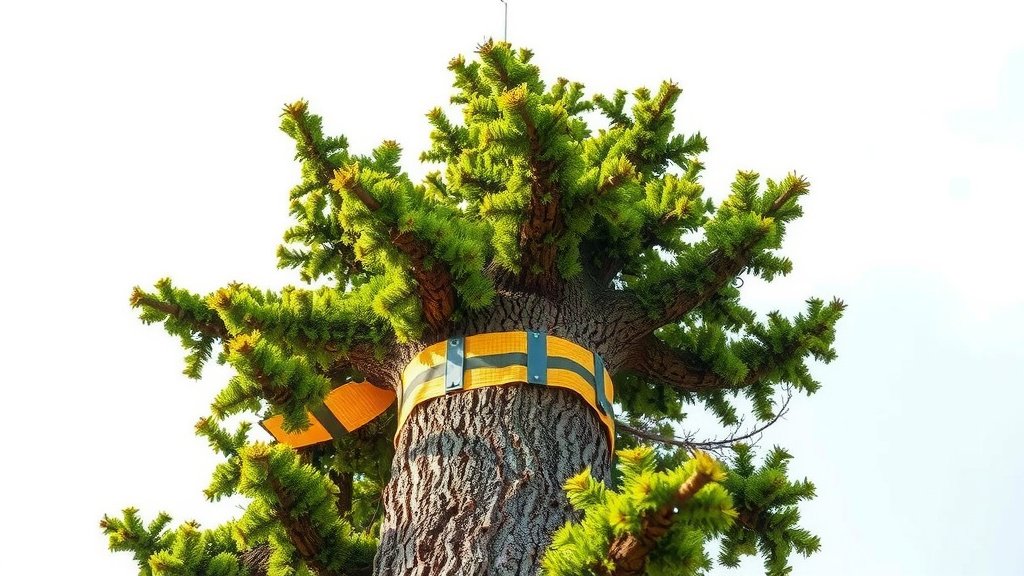
Tree straps protect trees by offering a gentle yet secure way to hang things from them, like bird feeders or swings. Unlike nails or ropes that can damage bark and restrict growth, straps distribute weight and allow the tree to move naturally. This prevents common issues like girdling and bark abrasions.
When you hang items directly on a tree, you risk causing long-term harm to its health and structure. Proper tree straps are designed with your tree’s well-being in mind. They ensure that your attachments don’t become a permanent problem for the living organism you’re enjoying.
- Tree straps provide a safe method for hanging items.
- They prevent damage to tree bark and growth.
- Straps distribute weight evenly, avoiding girdling.
- They allow trees to move and grow naturally.
- This protects the tree’s long-term health.
Let’s walk through exactly how tree straps work to keep your leafy friends happy and healthy for years to come.
How Tree Straps Keep Your Trees Healthy
You’ve got a beautiful tree in your yard, and you want to hang something from it. Maybe it’s a swing for the kids or a feeder for your feathered friends. It’s natural to want to attach things to your tree. But how you do it matters a great deal for the tree’s long-term health.
Tree straps offer a gentle and smart way to do this. They work by distributing the weight of whatever you’re hanging. This prevents the stress and damage that can happen with other methods. Think of it like giving your tree a comfortable hug instead of a tight, constricting grip.
Understanding Tree Anatomy and Damage Risks
Trees are living things with delicate systems. Their bark isn’t just a protective layer; it’s a vital part of their survival. Beneath the bark, you’ll find the phloem and cambium layers. These are responsible for transporting food and nutrients throughout the tree. They also allow the tree to grow wider each year.
The Dangers of Nails and Wire
Driving nails into a tree creates wounds. These openings can invite pests and diseases. It’s like a gash on your skin; it needs time to heal. If you attach a wire tightly around a branch, it can act like a tourniquet. We’ve all seen how this can stop blood flow.
For a tree, this means it can’t move water and nutrients properly. This is called girdling. Over time, girdling can starve parts of the tree. It can weaken branches and even kill the entire tree. Many tree care professionals warn against using nails or wires that cut into the bark (Arbor Day Foundation).
Rope’s Hidden Problems
Even simple rope can cause harm if used incorrectly. If a rope is tied too tightly, or if the tree grows around it, it can still lead to girdling. Plus, rough rope fibers can chafe the bark. This abrasion is like a constant scrape. It can damage the outer layers and make the tree more susceptible to infections.
The Smart Design of Tree Straps
Tree straps are designed to avoid these common pitfalls. They are typically made from wide, durable webbing material. This material is much gentler on the bark than thin wires or rough ropes.
Distributing Weight Evenly
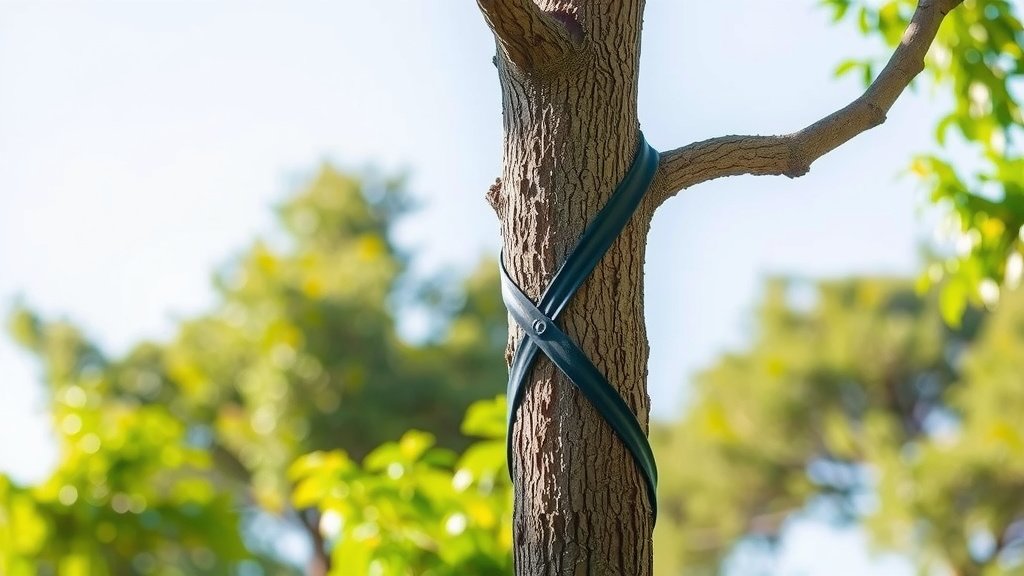
The width of tree straps is key. A wide strap spreads the load over a larger surface area. Imagine carrying a heavy box with your fingertips versus carrying it with your whole hand. The whole hand method is far less stressful. Tree straps work in a similar way for branches.
This even distribution prevents concentrated pressure points. It means the tree’s vital inner layers are not squeezed. This is crucial for allowing the tree to grow and expand naturally over the years. It protects the tree’s structural integrity.
Allowing for Movement and Growth
Trees need to sway in the wind. This movement helps strengthen their trunks and branches. It also helps them release excess moisture. Straps are designed to allow for this natural movement. They don’t restrict the tree’s ability to flex and bend.
Furthermore, trees grow wider every year. A strap that fits perfectly today might be too tight next year. Good tree straps often have adjustable lengths. This allows you to loosen them as the tree grows. This adaptability is essential for long-term tree health.
Materials Matter
Most quality tree straps are made from synthetic materials like nylon or polyester. These materials are strong and weather-resistant. They are also smooth, reducing the risk of bark abrasion. Some straps even have a soft lining on the inside for extra protection.
Comparing Tree Strap Systems
Not all tree strap systems are created equal. It’s helpful to understand the basic types and what makes them effective.
| Type of Attachment | Potential for Tree Damage | Ease of Use |
|---|---|---|
| Nails/Screws | High (Wounds, disease entry) | Easy initially, but problematic later |
| Wire/Thin Rope | Very High (Girdling, bark damage) | Easy, but very dangerous for trees |
| Standard Rope (Tied tightly) | Medium to High (Girdling, abrasion) | Moderate |
| Wide Tree Straps | Very Low (Distributes weight, minimal abrasion) | Easy to moderate, depending on system |
The Benefits of a Tree-Friendly Kit
Many tree strap kits are designed with simplicity in mind. They often include everything you need. This usually means one or two wide straps and a secure buckle or carabiner system. Some kits are specifically for hanging swings, while others are more general-purpose.
The goal of these kits is to provide a secure attachment. They also ensure that the tree remains healthy and unharmed. It’s about enjoying your tree without causing it harm. We found that kits with smooth buckles and ample strap length are often the best choice.
Choosing the Right Tree Strap for Your Needs
When selecting tree straps, consider what you’ll be hanging. A lightweight bird feeder requires less robust support than a heavy tire swing.
Load Capacity is Important
Always check the weight limit of the tree strap system. You don’t want to overload the strap or, more importantly, the tree branch. Exceeding the recommended weight can lead to strap failure or branch damage. We found that it’s always better to err on the side of caution.
Strap Length and Adjustability
Consider the size of the tree or branch you’ll be using. Longer straps offer more flexibility. They can be wrapped around larger trunks or multiple branches. The ability to adjust the strap length is also a huge plus. It lets you fine-tune the fit and account for future growth.
Ease of Installation
You want a system that’s easy to set up and take down. This makes it convenient to move the strap if needed. It also makes it easier to adjust for tree growth. Simple buckle systems are often the most user-friendly.
Quick Checklist for Protecting Your Trees
Here’s a quick rundown to keep your tree happy when you hang things:
- Always use wide tree straps, not thin ropes or wires.
- Check the weight capacity of your straps.
- Ensure the straps are not too tight.
- Allow room for the tree to grow.
- Inspect straps and tree regularly for any issues.
- When in doubt, consult a certified arborist.
Conclusion
You now understand how essential tree straps are for safeguarding your trees. By distributing weight and allowing for natural growth and movement, they prevent the serious damage that nails, wires, or tight ropes can cause. Using the right straps means you can enjoy hanging feeders, swings, or other items without harming these living treasures. Prioritize your tree’s health by choosing wide, adjustable straps. You’ll ensure your tree remains strong and vibrant for years to come, a beautiful part of your landscape.
Frequently Asked Questions
Can any strap be used as a tree strap?
No, not all straps are suitable for protecting trees. You should specifically look for wide, smooth webbing straps designed for tree use. Thin ropes or wires can cut into the bark and cause girdling, while rough materials can abrade the surface. Always choose straps made with tree health in mind.
How often should I check my tree straps?
It’s best to inspect your tree straps at least twice a year, perhaps in the spring and fall. Check for any signs of wear on the strap itself, and ensure it hasn’t become too tight as the tree grows. You should also look for any potential damage to the bark where the strap makes contact.
What if my tree strap starts to dig into the bark?
If you notice your tree strap digging into the bark, it’s a clear sign it’s too tight. You’ll need to loosen it immediately to prevent girdling and bark damage. This is why adjustable straps are so important, as they allow you to easily adapt to your tree’s growth and avoid this problem.
Are tree straps safe for baby trees?
Tree straps are generally safe for young trees if chosen and used correctly. For very young saplings, ensure the strap is wide enough to distribute any weight and doesn’t constrict the slender trunk. Avoid attaching heavy items to saplings; even a light load can be too much for their developing structure.
How do tree straps prevent girdling?
Tree straps prevent girdling primarily through their width and material. A wide strap distributes the load over a much larger surface area of the bark, so no single point bears too much pressure. Unlike tight wires or ropes, they don’t constrict the tree’s vascular tissues that run just beneath the bark, allowing for the flow of nutrients and water.