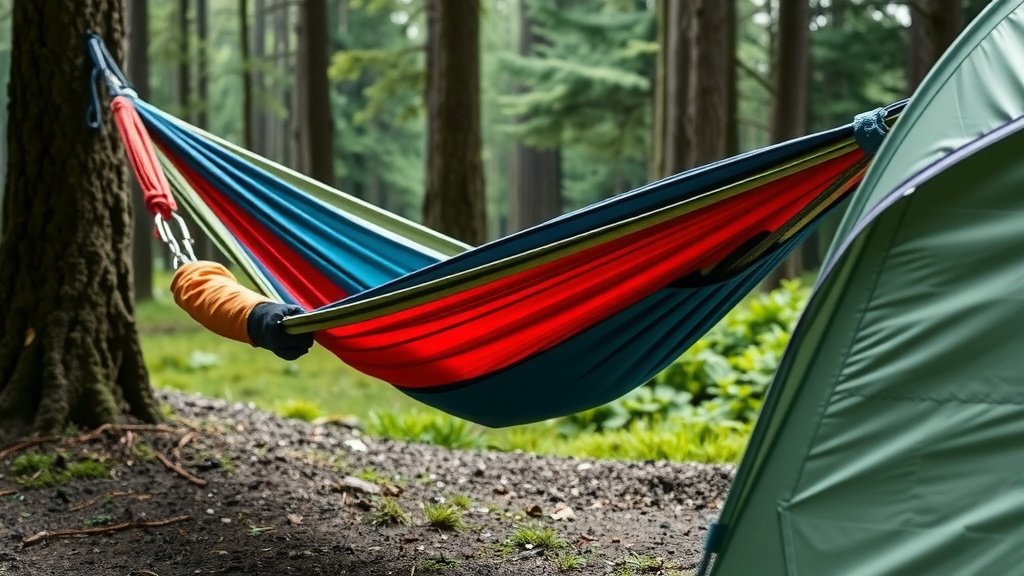
Hammock Camping vs Tent Camping: Which is Cheaper
Yes, hammock camping can be cheaper than tent camping Choosing the right backpacking hammock involves looking at materials and suspension systems., especially if you already own some essential gear. While initial costs might seem comparable, hammocks often require fewer accessories to become fully functional. You might be surprised at how quickly your budget can add up with tents.
When comparing costs, think beyond just the shelter itself. You need to consider ground tarps, sleeping pads, and even stakes for tents. Hammocks, on the other hand, can sometimes get by with just a suspension system and a bug net. We found that the long-term savings can really add up for hammock campers.
- Hammocks can be cheaper upfront than tents.
- You might already own gear that works for hammock camping.
- Tents often require more accessories, increasing the total cost.
- Consider the longevity and repair costs of each option.
Let’s break down the costs to see if hammock camping is the right budget-friendly choice for your next outdoor adventure.
Is Hammock Camping a More Budget-Friendly Option Than Tents?
When you’re thinking about hitting the trail or setting up camp, the cost of your gear can really add up. Many outdoor enthusiasts wonder if hammock camping offers a way to save money compared to traditional tent camping. We’ve looked into it, and the answer is often a resounding yes, hammock camping can be cheaper.
It really depends on what you already have in your closet. But generally, the initial investment and ongoing costs tend to favor the hammock. Let’s break down why.
Comparing the Initial Shelter Costs
The price tag on a tent can range wildly. You can find a basic tent for under $50, but those often aren’t very durable. A good quality, lightweight tent suitable for backpacking might set you back anywhere from $150 to $500 or more. You’re paying for materials, design, and features.
Now, let’s look at hammocks. A basic camping hammock itself can cost as little as $20 to $50. But that’s just the fabric sling. To actually sleep in it comfortably and safely, you’ll need more.
Essential Hammock Accessories: The Real Cost
To make a hammock work as a shelter, you typically need a few key items. These aren’t always included with the hammock, so factor them into your budget.
- Suspension System: This is how you attach your hammock to trees. Straps are common and can range from $20 to $50.
- Bug Net: Essential for keeping those pesky insects away, especially in warmer months. Expect to spend $30 to $70 for a decent one.
- Tarp: This provides rain and sun protection. A lightweight tarp can cost $40 to $150, depending on size and material.
So, while a hammock might be cheaper on its own, adding these necessities brings the total closer to a tent’s price. However, we found that even with these additions, you can often find a good hammock setup for less than a mid-range tent.
What About Tents? The Hidden Costs Add Up
Tents seem self-contained, but they also have their own set of accessories that increase the price. You might not think about them right away, but they’re necessary for a comfortable and functional camp.
- Footprint/Ground Tarp: This protects the tent floor from abrasion and moisture. A tent-specific footprint can cost $30 to $70.
- Stakes: Most tents come with stakes, but they can be flimsy. Many campers upgrade to stronger, lighter ones, costing $10 to $40.
- Ground Tarp (for vestibule): Some people use an extra tarp for their gear storage area outside the tent, adding another $20-$50.
When you add these up, the cost of a tent setup can also climb surprisingly high. We found that the total gear cost for a functional tent system often rivals or exceeds a functional hammock system.
Comfort and Insulation: Where Costs Can Diverge
This is a big area where hammocks might cost less in the long run. To stay warm in a tent, you need a good sleeping pad. These pads provide insulation from the cold ground. A decent sleeping pad can cost anywhere from $50 to $200.
In a hammock, you need insulation from below too. Without it, the air beneath you will steal your body heat. This is often achieved with an underquilt. Good underquilts can be pricey, from $150 to $400.
The Sleeping Bag Factor
You’ll need a sleeping bag or quilt for warmth in both scenarios. Prices vary greatly, but a good three-season bag might be $100 to $300. Some backpackers opt for lighter quilts, which can be similarly priced.
Here’s where hammocks can potentially save you money. If you already own a sleeping bag that you can use inside your hammock, you’ve saved the cost of a pad. Some people even use their backpacking sleeping pad inside the hammock. However, for true hammock comfort and warmth, an underquilt is often recommended. This is a significant cost. Many experts agree that a good underquilt is crucial for comfortable winter hammock camping (National Outdoor Leadership School).
Durability and Longevity: A Long-Term View
Consider how long your gear will last. A well-made tent, with proper care, can last many years. However, zippers can break, poles can snap, and fabric can tear. Repairs can add up.
Hammocks, made from strong fabric, are generally very durable. The suspension systems are often simple and robust. The main things to worry about are wear and tear on the fabric and potential damage to the suspension straps if they rub against sharp objects.
We found that many hammock users report their gear lasting a very long time with minimal issues. This can translate into fewer replacement costs over the years.
Weight and Packability: Not Directly Cost, But Related
While not a direct monetary cost, the weight and packability of your gear are important for backpackers. Lighter gear often comes with a higher price tag. A ultralight tent can cost $400+, whereas a lightweight hammock setup might be achieved for less.
If you’re buying new gear for a backpacking trip, the ability to achieve a lighter pack weight with a hammock setup for a lower cost can be a deciding factor for budget-conscious hikers.
Your Existing Gear: The Ultimate Cost Saver
Have you already got a collection of outdoor gear? You might be surprised how much of it can transition to hammock camping. For example:
- Your existing sleeping bag can likely be used in a hammock.
- If you have a lightweight tarp for backpacking, it might work for rain protection over your hammock.
- Many backpackers already own trekking poles, which can sometimes be adapted for hammock setup in treeless areas (though this requires specific accessories).
If you can use even one or two items you already own, your initial outlay for hammock camping could be significantly less than buying a whole new tent setup.
Checklist: Is Hammock Camping Cheaper For You?
To figure out if hammock camping saves you money, ask yourself these questions:
- Do I already own a sleeping bag?
- Do I have a tarp that could work for rain protection?
- Am I willing to invest in a hammock, suspension, and bug net if I don’t have them?
- How much are good quality tents in my price range?
- How much are quality hammocks, suspension, and bug nets?
- Will I need extra insulation like an underquilt, or can I make do with my sleeping bag for the conditions I’ll camp in?
Conclusion
So, is hammock camping cheaper than tent camping? Our research shows that yes, it often is, especially if you can leverage gear you already own. While the initial cost of a complete hammock setup might seem close to a budget tent, hammocks can offer long-term savings due to their durability and fewer required accessories. Tents can have hidden accessory costs that add up quickly. If you’re looking to save money on your next outdoor adventure and already have a sleeping bag, a hammock setup could be your most budget-friendly choice. Consider your existing gear first and then look into hammock components to see how much you can save.
Frequently Asked Questions
Can I really use my existing sleeping bag with a hammock?
Absolutely! Most standard sleeping bags work well inside a hammock. You might find that the bag conforms better to your body than it does on a flat sleeping pad. Just make sure your sleeping bag is rated for the temperatures you expect to encounter, as insulation from below is different in a hammock.
What’s the most expensive part of a hammock setup?
The most significant expense in a hammock setup is often the underquilt. This piece of gear provides crucial insulation from the cold air beneath you. While a basic hammock, suspension, and bug net can be relatively inexpensive, a quality underquilt can rival the cost of a mid-range tent.
Are hammock tents cheaper than regular tents?
Hammock tents, also known as ‘tents that hang’, are a hybrid product. They are typically more expensive than both a standard tent and a basic hammock setup. They combine elements of both, offering a raised sleeping platform that resembles a tent, but they come with a premium price tag.
How much can I expect to spend on a basic hammock camping setup if I have nothing?
If you’re starting from scratch, you could budget anywhere from $150 to $300 for a functional, basic hammock camping setup. This would include a hammock, suspension straps, a bug net, and a rain tarp. Prices can go up significantly for lighter-weight or more specialized gear.
Will hammock camping save me money if I camp in cold weather?
Cold weather camping in a hammock can become more expensive. You’ll likely need a warmer underquilt and possibly a winter-rated sleeping bag or quilt. While a tent might require a good sleeping pad, the specialized insulation needed for cold-weather hammock camping can add substantial cost compared to a basic summer setup.