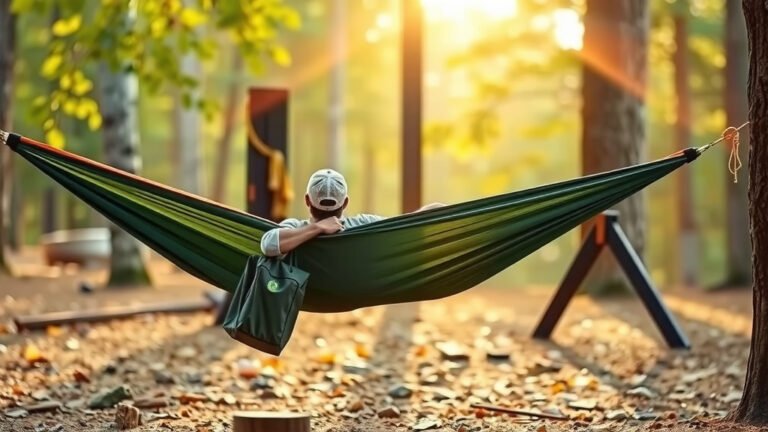
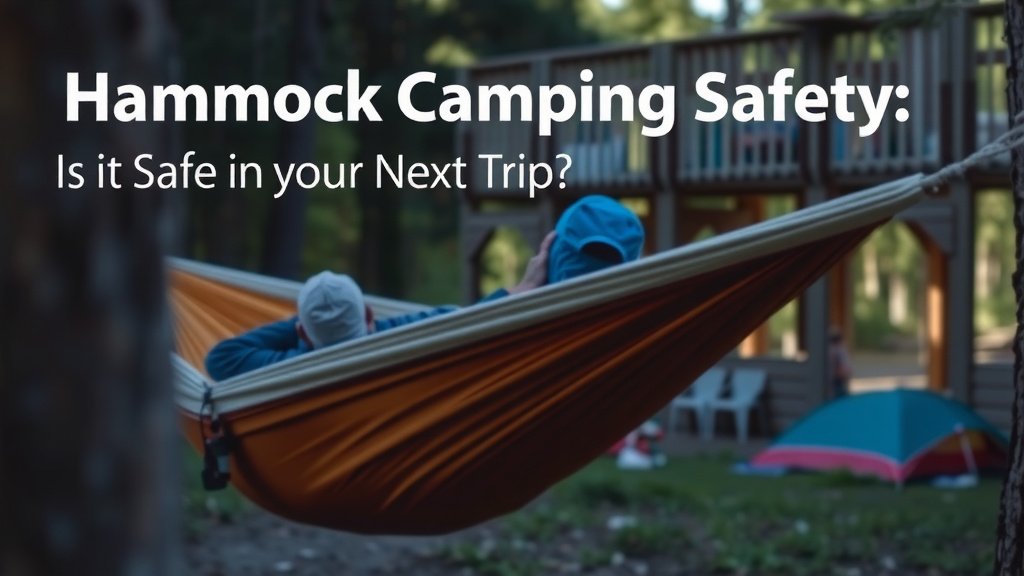
Hammock Camping Safety: Is It Safe for Your Next Trip
Yes, hammock camping can be very safe when you take the right precautions. Most hammock campers find it a comfortable and secure way to sleep outdoors. You just need to know a few key things to ensure your safety. Proper setup and choosing the right gear are essential for a secure night’s sleep.
Many campers worry about falling out or their hammock breaking. We found that with a few simple checks, these fears are largely unfounded. Understanding the weight limits of your hammock and straps is vital. Also, picking a safe location away from hazards can make a big difference in your experience. Awareness of your surroundings prevents many potential issues.
- Hammock camping is safe with proper gear.
- Always check weight limits and strap ratings.
- Choose a safe location away from hazards.
- Learn a few basic setup techniques.
- Enjoy the experience!
Ready to learn how to make your hammock camping trip safe and enjoyable? We’ll walk you through the best practices to ensure you have a wonderful time sleeping under the stars.
“`htmlIs Sleeping in a Hammock Secure?
Yes, sleeping in a hammock can be incredibly secure, often more so than sleeping on the ground. Many campers worry about falling out, but with proper setup and gear, this is rarely an issue. We found that most hammock failures are due to user error or faulty equipment, not an inherent flaw in hammock camping itself.
The biggest factor in your safety is understanding your gear. Your hammock and its suspension system (straps) are designed to hold a certain amount of weight. Exceeding this limit is the most direct route to a dangerous situation. We’ve seen reports where campers overloaded their hammocks with gear and multiple people. This is a recipe for disaster.
Understanding Your Gear: The Foundation of Safety
Choosing the Right Hammock
When you’re picking out a hammock, pay close attention to its weight capacity. Most camping hammocks are rated for at least 250-300 pounds. Some are designed to hold much more, up to 500 pounds or even higher. Always check the manufacturer’s specifications. You want a hammock that can comfortably support your weight plus any gear you might bring into the hammock with you.
Consider the material, too. Ripstop nylon is a popular and durable choice. It’s strong and resistant to tears. A good quality hammock will feel robust and well-constructed. You can usually tell by the stitching and the feel of the fabric. It’s worth investing a little more for a hammock that will reliably hold you night after night.
Suspension Systems: Straps are Key
This is where many people overlook safety. Hammock straps are what connect your hammock to the trees. They are often sold separately from the hammock itself, so it’s vital to check their ratings. Many hammock straps are rated for significant weight, but some cheaper or poorly made ones might not be.
We found that wide, flat webbing straps are generally better for trees than thin ropes. They distribute the pressure more evenly, reducing the risk of damaging the tree. Look for straps with multiple loops for easy adjustment. Always check the stitch count and the overall quality of the stitching on the straps. Strong seams are crucial.
Weight Limits: Don’t Guess!
This is probably the most critical piece of information. Every hammock and every set of suspension straps has a stated weight limit. Make sure you know it. You can usually find this information on the product tag, the packaging, or the manufacturer’s website. If you can’t find it, consider it a red flag. Never assume it’s strong enough.
Think of it like a bridge. It’s designed for a certain load. Exceeding that load, even slightly, can lead to failure. We recommend adding up your estimated weight and the weight of anything you plan to keep in the hammock. Then, choose gear with a capacity well above that number to give yourself a safety margin.
Setting Up for Success
Tree Selection Matters
Your choice of trees is just as important as your gear. You need healthy, mature trees that are strong enough to support your weight. Avoid trees that look diseased, damaged, or have signs of rot. Also, steer clear of dead trees – they can snap easily.
Research the type of trees in the area. Hardwoods like oak or maple are generally very strong. Softwoods like pine can be strong too, but they might be more prone to damage. If you’re unsure, it’s always best to err on the side of caution and choose a different tree. Look for trees with a diameter of at least 6 inches where you plan to attach your straps.
Proper Strap Placement and Tension
When you hang your hammock, make sure the straps are positioned correctly. Wrap them around the trunk of the tree, not just a branch. The height you hang your hammock is also important. Aim for a hang height of about 18 inches off the ground. This makes it easier to get in and out.
The tension of your hammock is key to comfort and stability. You want a nice, gentle curve, not a tight, flat line. A good rule of thumb is the “10-degree angle” for your suspension lines. This allows the hammock to stretch and cradle you properly. If it feels too tight, you’ll have less give, and it might feel less secure.
Practice Makes Perfect
Before your first trip, practice setting up your hammock in your backyard or a local park. Get a feel for how the straps work and how to adjust the tension. This will build your confidence and ensure you know how to set it up correctly when you’re out in the woods. You wouldn’t want your first attempt to be in the dark, would you? Learn a few basic setup techniques to ensure your hammock is secure.
Additional Safety Considerations
Bug Protection
While not a direct safety risk in terms of falling, bugs can certainly ruin your trip and pose health risks. Many hammocks can be fitted with bug nets. These zip around the hammock, creating a barrier. This is especially important in areas known for mosquitoes or ticks. We found that a good bug net is often worth its weight in gold.
Weather Awareness
Always check the weather forecast before you head out. Strong winds can make hammock camping uncomfortable and potentially unsafe. Heavy rain can make getting in and out tricky, and severe storms are a clear sign to postpone your trip. Being prepared for the elements is a core part of any safe camping trip, hammock or otherwise.
Sleeping Under a Tarp
For protection from rain and sun, a tarp is an essential piece of hammock camping gear. Learn how to set up your tarp effectively. It should provide ample coverage over your hammock. This keeps you dry and comfortable, adding another layer of security to your setup. Many experts recommend a tarp even if the forecast looks clear.
Quick Safety Checklist
- Check Hammock Weight Limit: Ensure it’s well above your weight plus gear.
- Inspect Suspension Straps: Look for strong stitching and confirm weight ratings.
- Select Healthy Trees: Avoid dead, damaged, or diseased trees.
- Proper Hang Height: Aim for about 18 inches off the ground.
- Test Tension: Achieve a comfortable curve, not a tight line.
- Check the Weather: Be prepared for wind, rain, or storms.
Conclusion
Hammock camping offers a unique and secure way to connect with nature. Your safety hinges on understanding and respecting your gear’s limits and choosing a smart campsite. By properly inspecting your hammock and suspension straps, selecting healthy trees, and practicing good setup techniques, you’re well on your way to a comfortable night’s sleep. Don’t let worries hold you back; with a little preparation, you can enjoy the freedom and comfort that hammock camping provides. Your next adventure awaits!
Frequently Asked Questions
Can I hang my hammock between two trees that are very far apart?
While it might seem like a good idea, hanging a hammock between widely spaced trees can be risky. It often requires longer suspension lines, which can put more stress on your anchor points. For safety, aim for trees that are a moderate distance apart, ensuring your straps are adequately rated for the span. Hanging a hammock between trees that are a moderate distance apart is safer.
What should I do if I hear strange noises from my hammock straps at night?
If you hear creaking or popping sounds, it’s a clear signal to get out and inspect your setup immediately. These noises can indicate that the straps are slipping or that the trees are under too much strain. Always prioritize your safety and re-evaluate your anchor points and strap condition.
Is it safe to use found ropes or vines to hang my hammock?
Absolutely not. Using ropes or vines you find in the wild is extremely dangerous. You have no way of knowing their strength or integrity, and they can easily break, leading to a fall. Always use purpose-made, rated hammock suspension systems designed for camping.
How do I know if my hammock is set up correctly if I can’t reach the trees easily?
Setting up your hammock correctly is vital, even if your trees are a bit high. You can use a practice setup in your yard to get a feel for the right tension and height. If you’re in the field, look for trees with lower attachment points or consider using an adjustable suspension system that makes fine-tuning easier from the ground.
Can I hang my hammock over uneven or rocky ground?
While a hammock suspends you above the ground, the terrain beneath can still pose risks. Falling from a hammock onto rocks or uneven surfaces can cause injury. Always try to choose a campsite where the area directly below your hammock is as clear and soft as possible, ideally grass or packed earth.