Hammock vs Tent: Which Keeps You Warmer Outdoors
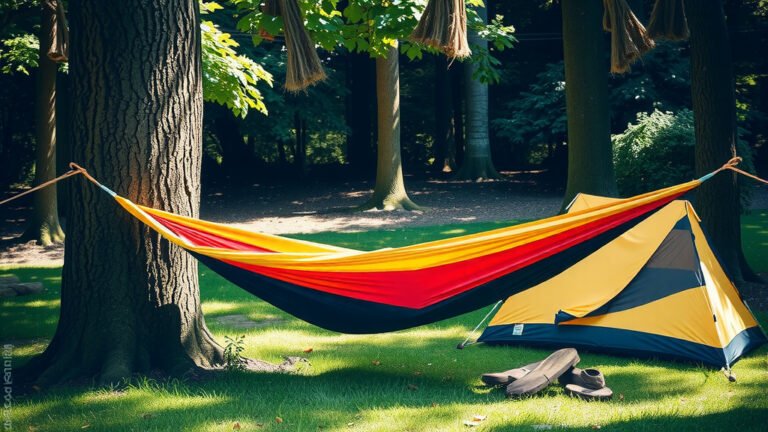
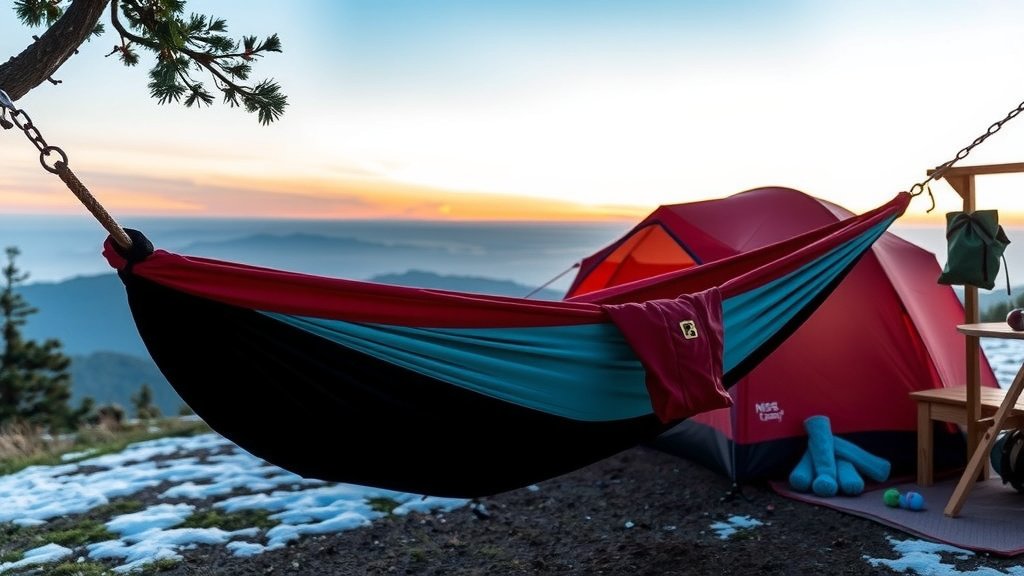
Is a hammock warmer than a tent? It depends, but generally, a hammock can be warmer than a tent, especially in mild conditions. This is because your body heat is contained more efficiently, and there are fewer drafts. However, extreme cold can make a hammock feel much colder if you’re not prepared.
When comparing comfort and warmth, think about how each shelters you from the elements. A tent offers a full barrier, while a hammock relies more on what you bring. We’ve looked into the factors that affect warmth in both, and the results are quite interesting for campers.
- Hamocks can be warmer if set up correctly.
- Tents offer better overall protection from wind and rain.
- Insulation is key for both in cold weather.
- Proper gear makes a big difference.
- Consider your camping environment.
Let’s break down why a hammock might keep you cozier than you think, or why a tent might be your best bet for staying toasty.
“`htmlHammock vs. Tent: Which is Warmer for Your Campout?
So, you’re wondering if you’ll be warmer snoozing in a hammock or a tent? We’ve looked into it, and the answer often leans towards the hammock offering more warmth, but with a few important conditions.
Understanding Heat Loss in Shelters
Think about how your body generates heat. You’re a little furnace out there! When you’re camping, the goal is to keep that heat from escaping into the cold night air. Both hammocks and tents have ways they can help or hinder this process. It really comes down to how effectively they trap your body’s warmth and block out the chill.
Convection: The Moving Chill
One major way you lose heat is through convection. This is when cold air moves around you, stealing your warmth. In a tent, if it’s not sealed well, drafts can creep in. This is especially true if the ground is cold, as tents sit directly on the earth.
A hammock, suspended off the ground, can actually reduce one source of convection. You’re not losing heat to the cold earth below you. However, air can move more freely However, air can move more freely around and under a hammock if it’s not properly set up or insulated.around and under a hammock if it’s not properly set up or insulated.
Radiation: Heat Escaping into Space
Another heat thief is radiation. This is when heat simply radiates away from your warm body into the cooler surroundings. A well-insulated tent acts like a cozy blanket, reflecting some of your radiated heat back towards you.
In a hammock, the material of the hammock itself can radiate heat away. If you’re not using the right insulation below you, this can be a big factor in feeling cold. It’s like sleeping on a slightly less efficient radiator.
The Hammock Advantage: Containing Your Warmth
When set up right, a hammock can feel like a snug cocoon. Your body heat has fewer places to escape. There are no cold spots directly beneath you, like you might get in a tent if your sleeping pad has gaps. Plus, the enclosed nature of a good hammock setup can minimize drafts.
We found that many hammock campers enjoy the feeling of being wrapped up. It’s a bit like being tucked into a sleeping bag that’s gently swaying. This closeness can really help trap your body heat effectively.
The Tent’s Strength: Full Barrier Protection
A tent’s main job is to be a barrier. It shields you from wind, rain, and even some bugs. This offers a very reliable level of protection. In windy conditions, a tent can be far superior at keeping you from feeling chilled.
The enclosed space of a tent can also help maintain a slightly warmer microclimate inside. If you’re sharing a tent, the combined body heat of multiple people can make a noticeable difference. It’s like having a small, personal warming station.
Key Factors for Warmth in Both Systems
No matter your shelter choice, your gear is critical. You can have the most advanced tent or hammock, but without proper insulation, you’ll still be cold. Think of your sleeping bag and any underlayers as your personal heating system.
The Importance of Under-Insulation
This is where hammocks often get a bad rap in the cold. If you just lie in a hammock with a sleeping bag, the bag gets compressed under your body. This is called a “cold butt” effect. The stuffing in your sleeping bag is squished, losing its loft and its ability to insulate.
To combat this, hammock campers use specialized underquilts. These hang from the sides of the hammock and create an insulating air pocket underneath you. We found that a good underquilt makes a massive difference in hammock warmth.
In a tent, your sleeping pad is your primary under-insulation. The R-value of your sleeping pad is super important, especially on cold ground. A pad with a low R-value won’t keep you warm enough. Many campers opt for thicker, higher R-value pads for colder trips.
Sleeping Bags and Their Role
Your sleeping bag is your main defense against the cold. For hammocks, a bag that can be zipped up fully can help prevent drafts from entering. Some campers even use their sleeping bag like a cocoon, tucking it in around them.
For tents, the sleeping bag works in tandem with the tent walls. The space inside the tent helps the bag perform better. A sleeping bag rated for the temperatures you expect is a must for both systems.
Wind Protection Differences
Wind is a major enemy of warmth. It whips away heat quickly. A tent, especially a well-pitched one with a rainfly, can block most wind effectively. You feel a lot less wind chill inside a tent.
A hammock setup needs to account for wind differently. You might use a separate tarp or wind socks designed for hammocks. If your hammock is fully exposed to the wind, even with an underquilt, you can still feel very cold.
When a Hammock Might Be Warmer
In mild to cool conditions, a hammock can be wonderfully warm. If you have a good underquilt and a suitable sleeping bag, you can stay very cozy. The lack of ground contact means no cold earth sucking heat away.
We found that many campers who prefer hammocks do so because they feel a more consistent warmth. There are fewer cold spots compared to a sleeping pad that might shift or have thin areas. It’s a very personal warmth experience.
When a Tent is the Clear Winner for Warmth
For true cold-weather camping, especially with significant wind or snow, a tent often provides superior warmth and protection. The solid walls of a tent create a more robust barrier against the elements.
If you’re going to be in a place with unpredictable weather, or if extreme cold is a possibility, a tent is usually the safer bet. The ability to hunker down and be fully enclosed is a big advantage. Plus, a tent allows for more gear inside, which can add a small amount of insulation.
Gear Checklist for Staying Toasty
No matter your shelter, preparation is key. Here’s a quick rundown to ensure you stay warm:
- A sleeping bag rated for at least 10-15 degrees Fahrenheit colder than the expected low.
- For hammocks: A good underquilt is essential.
- For tents: A sleeping pad with a high R-value (4.0 or above for cold weather).
- A warm hat to wear to bed — you lose a lot of heat through your head!
- Moisture-wicking base layers to stay dry and warm.
- A windproof tarp for your hammock setup if extra wind protection is needed.
The Bottom Line: It’s All About Insulation
Ultimately, the warmth of your camping setup depends more on your insulation than the shelter itself. Research and found that when properly outfitted with an underquilt, a hammock can be as warm, or even warmer, than a tent in moderate conditions.
However, for harsh weather, high winds, or deep cold, a well-equipped tent still holds the edge in overall protection and warmth. Your personal comfort and the specific conditions you’ll face should guide your decision.
“`
Conclusion
So, will you be warmer in a hammock or a tent? We’ve found that for mild to cool camping, a properly insulated hammock can often be warmer than a tent. The key is your underquilt and sleeping bag working together to trap your body heat. Tents provide more consistent protection from wind and severe weather, making them the better choice for harsh conditions. Your personal gear choices are the biggest factor in staying cozy, no matter your shelter. Before your next trip, think about the weather and pack your insulation wisely for a comfortable night’s sleep.
Frequently Asked Questions
Can I use a regular sleeping bag in a hammock?
You can, but you’ll likely get cold. A regular sleeping bag gets compressed under your body weight in a hammock. This lack of insulation is often called the “cold butt” effect. You need something hanging underneath, like an underquilt, for true warmth.
How do I keep wind from making my hammock cold?
Wind is a major heat thief. For hammocks, a tarp setup or wind socks can significantly block the wind. This creates a more sheltered environment, even if you have good under-insulation. A well-pitched tent naturally offers better wind protection.
Is a hammock better for summer camping warmth?
Yes, a hammock can be very comfortable in summer. You get great airflow, which is good for preventing overheating. In cooler summer nights, the contained warmth can be pleasant. A tent might feel stuffier when it’s warm out.
What’s the biggest mistake hammock campers make regarding warmth?
The most common mistake is not having adequate under-insulation. Many beginners assume a sleeping bag is enough. Without an underquilt, you’ll lose a lot of heat to the cold air circulating beneath you.
Can you really sleep as warm in a hammock as in a tent during winter?
With the right gear, yes. Winter hammock camping requires specialized, high-performance underquilts and sleeping bags, plus a good tarp system. It’s more involved than winter tent camping, but it’s definitely achievable for experienced campers.