Apartment Hammock Hanging: Your Ultimate Guide
Yes, you absolutely can hang a hammock in an apartment, but it requires careful planning and the right setup. You’ll want to choose a method that secures your hammock safely without damaging your walls or ceiling. We’ve researched the best ways to make apartment hammock dreams a reality.
Many apartment dwellers worry about drilling holes or finding suitable anchor points. The good news is there are creative solutions available. You can find hammock stands that require no installation or use specialized hardware for a secure hang. Let’s look at your options.
- Yes, apartment hammocks are possible.
- Consider specialized stands or wall mounts.
- Ensure your chosen method is secure and apartment-friendly.
- Always check your lease agreement.
- Safety first – never hang from untested points.
We’ve gathered the most effective and renter-friendly methods. Below, we break down how you can enjoy your hammock safely in your apartment space.
Bringing the Hammock Vibe to Your Apartment
So, you’re dreaming of lazy afternoons swaying gently in your hammock, but your apartment walls are off-limits for drilling? We get it! Many apartment dwellers think a hammock is out of reach. But guess what? It’s totally doable. You just need the right approach. Let’s find the perfect hammock setup for your urban oasis.
Hammock Stands: The Renter’s Best Friend
If drilling holes feels like a dealbreaker with your landlord, a hammock stand is your golden ticket. These freestanding wonders require zero installation. You can set them up in minutes. Plus, they’re portable, so you can move your cozy spot from the living room to the balcony. We researched several types to see how they stack up. If drilling holes feels like a dealbreaker, a hammock stand is your golden ticket.
What is a Hammock Stand?
Think of a hammock stand as the backbone for your relaxation. It’s a metal or wood frame that holds your hammock securely. You don’t need any trees, posts, or special wall anchors. The stand does all the work. It’s designed to distribute weight evenly, making it very stable.
Types of Hammock Stands
You’ll find a few main types. There are classic arc stands. These have a lovely curved design. Then there are X-base stands. They offer a very stable footprint. Some are made of sturdy steel. Others use beautiful, strong wood. Each has its own style and weight capacity. Always check the specs before buying.
Material Matters
Steel stands are often very durable and weather-resistant. This makes them great for balconies. Wooden stands can add a touch of natural warmth to your indoor space. They can look like a piece of furniture. We found that most quality stands are built to last for years.
Weight Capacity is Key
This is super important for safety. Hammock stands have a maximum weight limit. It’s not just for the person in the hammock. It also accounts for the hammock itself and any movement. Always choose a stand rated well above your expected load. Many reputable brands clearly state this limit. We found that a good rule of thumb is to have at least 50-100 pounds of buffer.
Setting Up Your Stand
Assembly is usually straightforward. Most stands come with clear instructions. You’ll typically connect a few main pieces. Many require no tools. Others might need a simple wrench, often included. We found that setting one up can take as little as 15-30 minutes. It’s a small investment of time for big relaxation rewards.
Exploring Hammock Mounts for Apartments
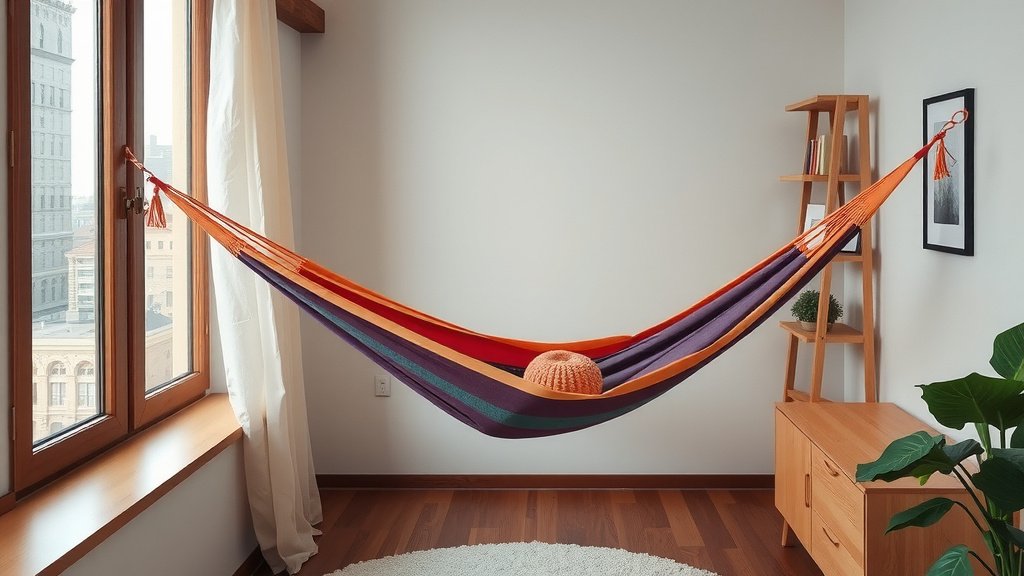
What if you have a bit more freedom to make minor changes, or you want a more permanent setup? Wall mounts can be a great option. They often provide a very strong and stable hang. But you need to be sure you’re using the right hardware for your apartment walls. We looked into the safest ways to do this.
Understanding Wall Anchors
Not all wall anchors are created equal. For hanging a hammock, you need anchors that can support significant weight. This means drilling into your wall studs. Studs are the vertical wooden beams inside your walls. They provide the strongest support. Without studs, you’ll need specialized heavy-duty anchors. You need to locate wall studs for a secure mount.
The Importance of Finding Studs
Most building codes require studs to be spaced 16 or 24 inches apart. Using a stud finder is the easiest way to locate them. You can rent or buy these electronic devices. They beep or light up when they detect a stud. Many experts say this is the most reliable method for a secure anchor point. This ensures your hammock’s weight is distributed properly.
Heavy-Duty Anchors (When Studs Aren’t an Option)
If you absolutely cannot find a stud where you want your hammock, don’t despair. There are heavy-duty toggle bolts and lag shields. These expand behind the drywall to create a strong hold. However, we found that these still have limitations. They are best for lighter loads than what a hammock might require. Many renovation guides suggest consulting a professional if you’re unsure.
Hammock Hook Types
You’ll often see specialized hammock hooks designed for this purpose. These are typically strong metal hooks. They screw into your wall anchors or directly into studs. Look for hooks made from forged steel. These are built to handle a lot of stress. Always double-check the weight rating on the packaging.
Spacing and Placement
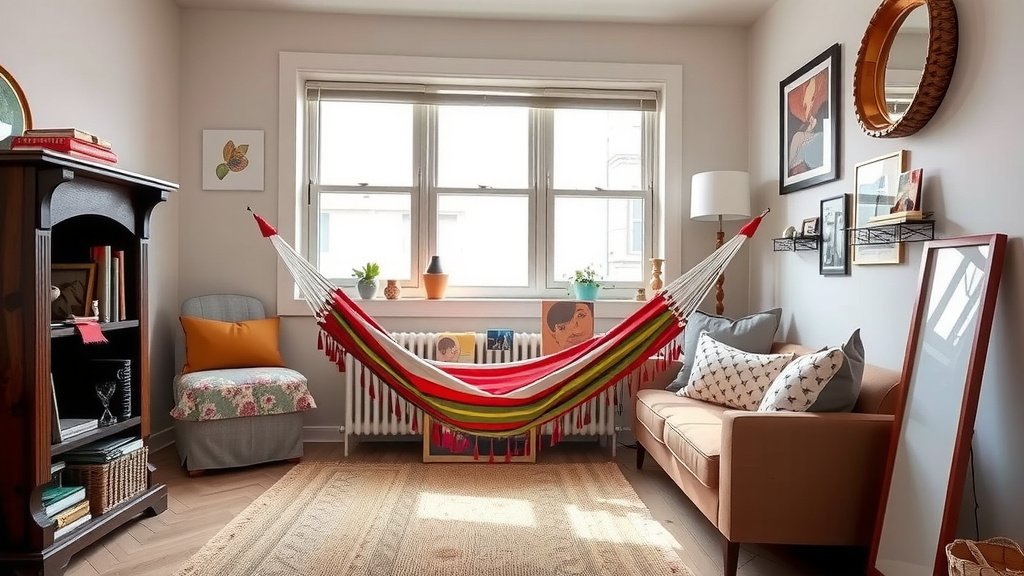
Getting the distance between your anchor points right is crucial. It depends on the length of your hammock. As a general rule, anchor points should be about 10-15 feet apart. They should also be positioned about 6 feet off the ground. We found that adjusting this distance can change the hang angle. You want a gentle curve, not a tight rope.
Considering Your Lease Agreement
This is a step you absolutely cannot skip. Before you buy a hammock or any mounting hardware, review your lease. Does it allow you to drill holes? Are there any restrictions on what you can attach to walls or ceilings? Some leases are very strict. Others might be more flexible. We found that it’s always best to ask your landlord or property manager directly if you’re unsure.
What to Look For in Your Lease
Read the sections about property damage and alterations. These usually detail what you can and cannot do. Some leases might have a clause about “permanent alterations.” Drilling holes for hammock mounts could be considered this. If your lease is unclear, get clarification in writing.
Getting Landlord Approval
If your lease is vague, or if you’re a bit nervous, a conversation can go a long way. Explain that you want to enjoy a hammock. You can assure them you’ll use safe methods. You might even offer to patch and paint any holes when you move out. Many landlords are reasonable if you show respect for their property. We found that this proactive communication can prevent misunderstandings.
Safety Checklist Before You Relax
Once you’ve chosen your method, it’s time for a final safety check. Think of this as your pre-flight checklist before a relaxing journey.
- Check your lease: Did you get the green light?
- Verify weight limits: Does your stand or hardware support more than you?
- Inspect your setup: Are all connections tight and secure?
- Test gently: Sit down slowly and test the stability before fully relaxing.
- Know your limits: Don’t try to bounce or do acrobatics.
- Regular checks: Periodically re-inspect your hammock setup for wear and tear.
Conclusion
So, you’ve learned that turning your apartment into a hammock haven is absolutely possible! You have fantastic options, from sturdy freestanding stands that require zero commitment to carefully installed wall mounts if your lease allows. Remember, the key is safety and respecting your living space. Always prioritize secure anchor points and understand your lease agreement. Don’t let apartment living stop your relaxation dreams. Your next step? Choose the method that best fits your apartment and your comfort level, and get ready to unwind!
Frequently Asked Questions
Can I hang a hammock from my apartment ceiling?
Hanging a hammock from your apartment ceiling is generally not recommended unless your lease explicitly permits it and you have confirmed the ceiling can support the weight. Most standard apartment ceilings are not designed for the dynamic load of a hanging hammock. You’d need to find and anchor into joists, which is a significant structural modification.
What’s the best hammock type for a small apartment?
For small apartments, portable hammock stands are often the best choice. They don’t require any installation, can be easily moved or stored, and come in compact designs. Some hammocks are also designed to be more compact and might fit better in smaller spaces, especially those without spreader bars.
How do I know if my apartment walls can support a hammock mount?
You need to locate wall studs for a secure mount. Use a stud finder to locate these wooden beams within your walls. If you can’t find studs where you want to hang, heavy-duty anchors like toggle bolts can be used, but they carry more risk and have weight limitations. Always check the weight rating of any hardware you plan to use.
What if my lease prohibits drilling holes?
If your lease strictly prohibits drilling holes, your only safe option is a freestanding hammock stand. These require no permanent alterations to your apartment. You can enjoy your hammock without worrying about violating your lease terms or damaging the property.
How far apart should hammock anchor points be?
The ideal distance between anchor points depends on your hammock’s length and the desired hang angle. As a general guideline, aim for anchor points that are 10 to 15 feet apart and about 6 feet off the ground. You want a gentle curve in the hammock fabric, not a taut line.