
Hammock Rope: Can You Use It Safely for Hanging
Yes, you can use rope for a hammock, but it’s not as simple as just grabbing any old rope. For a safe and comfortable hang, you need to choose the right type of rope and ensure it’s strong enough for your hammock setup. Using the wrong rope could lead to a disappointing nap or worse!
When we talk about hammock rope, we’re thinking about how it connects your hammock to its anchor points. This means the rope needs to handle your weight and the stress of swinging. Different ropes have different strengths and durability, so picking the best rope matters for your hammock adventures.
- You can use rope for hammocks.
- Choose rope that is strong and durable.
- Consider the weight capacity needed.
- Avoid ropes that can fray or rot easily.
Below, we’ll walk you through what makes a rope suitable for your hammock and what to look out for.
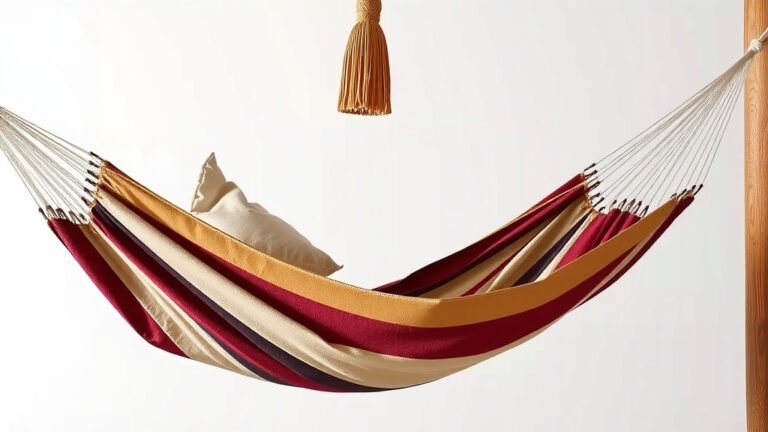
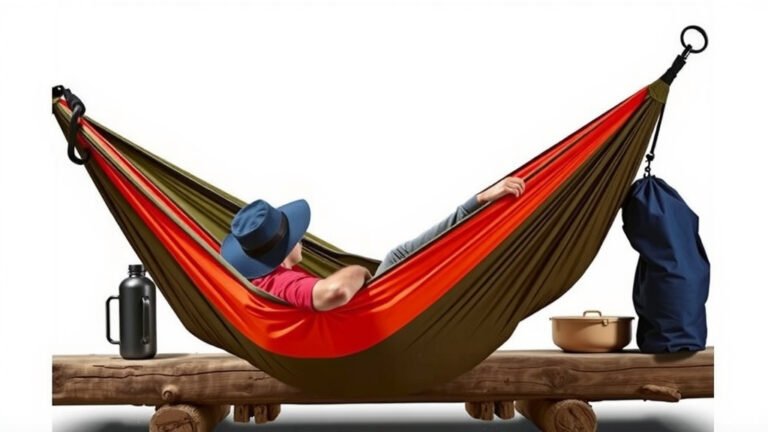
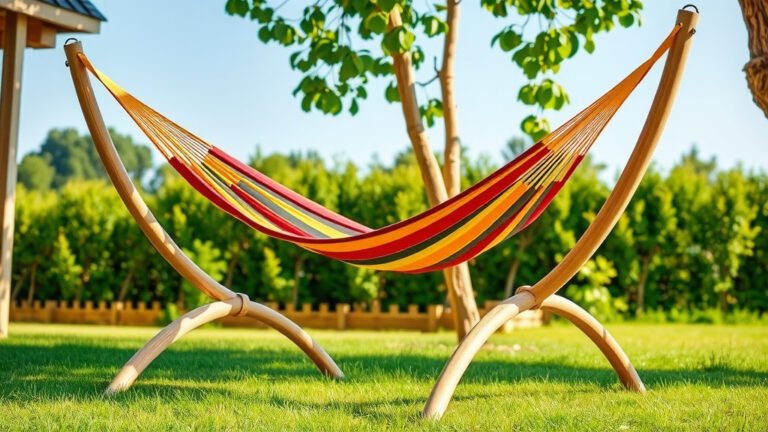
So, you’re eyeing up your hammock and wondering if that coil of rope in the garage will do the trick? It’s a great question! You absolutely *can* use rope for your hammock. Many hammocks come with rope for hanging, and it’s a tried-and-true method.
The real question isn’t *if* you can use rope, but *what kind* of rope is best. Think of it like choosing the right shoes for a hike. You wouldn’t wear flip-flops up a mountain, right? Similarly, the wrong rope could mean a saggy, uncomfortable hang, or worse, a sudden descent to the ground!
Choosing the Right Rope for Your Hammock Hang
When selecting rope for your hammock, your top priorities are strength and durability. You need something that can safely hold your weight, plus a little extra for movement and swinging. It also needs to withstand the elements if you plan to hang it outdoors.
Understanding Rope Strength: The Basics
Rope strength is usually measured by its “tensile strength.” This is the maximum load the rope can handle before breaking. For hammock hanging, you want a rope with a high tensile strength, well above your body weight.
Many experts recommend that the rope’s breaking strength should be at least 5 to 10 times the intended load. This safety margin is crucial. It accounts for dynamic forces – like when you swing or plop into your hammock – which are much greater than your static weight.
What is a Safe Working Load?
Sometimes, instead of breaking strength, you’ll see “safe working load” (SWL) or “working load limit” (WLL). This is the maximum load the rope should carry in normal use. It’s typically a fraction of the breaking strength, often 1/5th or 1/4th. Always choose a rope where the SWL comfortably exceeds your weight plus any extra dynamic load.
Material Matters: What Ropes Are Made Of
The material of the rope significantly impacts its strength, durability, and how it behaves in different weather. Let’s look at some common rope types:
Natural Fibers vs. Synthetic Fibers
Natural fibers like cotton or jute look appealing and can feel soft. However, they tend to weaken when wet, can rot over time, and are generally not as strong as synthetics. They are best suited for decorative purposes or very light-duty applications, not for holding your hammock.
Synthetic fibers, such as polyester, nylon, or polypropylene, are usually the go-to for hammock ropes. They offer superior strength, excellent resistance to moisture, UV rays, and abrasion. Many guidelines point to polyester as a good choice for outdoor use because it holds up well in sunlight (National Park Service). Many guidelines point to polyester as a good choice for outdoor use because it holds up well in sunlight.
Popular Synthetic Rope Options
- Polyester Rope: This is a fantastic all-around choice. It’s strong, resists stretching, holds up well against UV rays and moisture, and is quite durable. It has a good grip, too.
- Nylon Rope: Nylon is very strong and has excellent shock absorption, making it great for dynamic loads. However, it can stretch quite a bit, which might not be ideal for a perfectly tensioned hammock. It can also degrade faster in UV light compared to polyester.
- Polypropylene Rope: This is often the most affordable synthetic option. It’s lightweight and floats, but it’s not as strong or durable as polyester or nylon. It also degrades significantly when exposed to sunlight over time. It’s generally not recommended for critical load-bearing applications like hammocks.
Diameter: The Simple Key to Strength
Rope diameter is a straightforward indicator of strength. A thicker rope is generally stronger than a thinner one made of the same material. For most adult hammocks, a rope diameter of at least 1/4 inch (6 mm) is a good starting point. For heavier loads or extra peace of mind, consider 3/8 inch (9.5 mm) or larger.
We found that many hammock manufacturers recommend ropes in the 1/4-inch to 1/2-inch (6-12 mm) range. Always check the manufacturer’s recommendations for both your hammock and the rope you choose. It’s better to be a little over-spec than under!
Beyond Strength: Other Factors to Consider
While strength is king, other qualities make a rope truly hammock-worthy. You want a rope that’s comfortable to handle and won’t damage your hammock or your anchor points.
Flexibility and Handling
A rope that’s too stiff can be difficult to tie securely. You want a rope that’s flexible enough to make good knots that won’t slip. It should also be easy on your hands when you’re setting up or taking down your hammock.
Some synthetic ropes can feel a bit “hard” or “slippery.” Look for ropes with a bit of texture. This helps create friction, so your knots stay put. Think of it like trying to grip a wet bar of soap versus a textured handle – you want that grip!
Resistance to Abrasion and Fraying
Your rope will rub against trees, posts, or carabiners. This friction can wear down the fibers over time. An abrasion-resistant rope will last much longer and maintain its strength. Look for ropes specifically designed for outdoor or load-bearing use.
A tightly woven rope is less likely to fray than a loosely constructed one. Frayed ends can weaken the rope significantly. If you do choose a rope that’s prone to fraying, consider using heat to seal the ends or wrapping them with strong tape.
UV and Weather Resistance
If your hammock is going to live outdoors, even for a little while, UV resistance is vital. Sunlight degrades many rope materials, especially synthetics like polypropylene. Polyester is generally the best performer here. It can withstand prolonged sun exposure much better than other types.
Moisture resistance is also key. Some ropes, like natural fibers, lose strength when wet and can encourage mold or mildew growth. Synthetics are generally much better at repelling water, which helps them maintain their integrity and prevents rot.
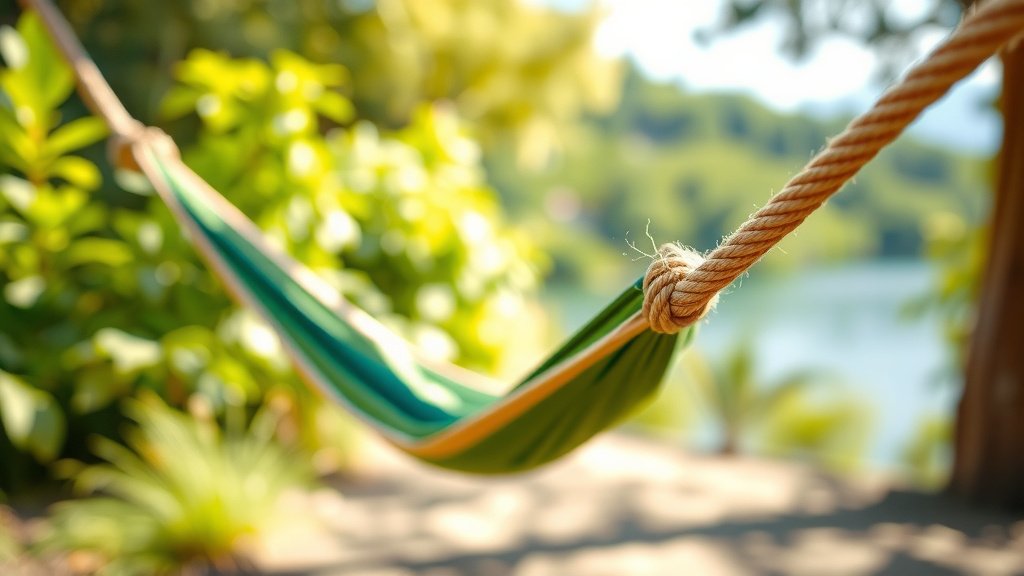
Rope vs. Other Hammock Suspension Systems
While rope is a classic choice, it’s worth knowing what else is out there. Many modern hammocks use suspension systems made from webbing straps or specialized cords.
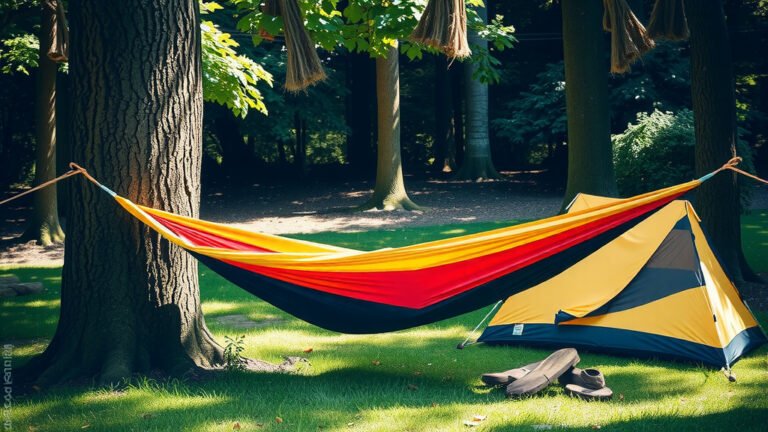
Webbing Straps: These are flat, wide straps, often made of polyester. They are excellent for protecting trees because they distribute the load over a larger surface area, reducing the risk of girdling or damaging the bark. Many suspension systems use tree straps combined with carabiners and shorter lengths of rope or cord for adjustment.
Whoopie Slings: These are adjustable cordage systems made from incredibly strong, low-stretch synthetic rope. They offer a very clean and lightweight suspension solution. However, they can be more expensive and might require a bit of learning to adjust.
Rope is often the most budget-friendly and simplest option to get started with. For many casual users, a good quality polyester rope is perfectly adequate and reliable.
Quick Checklist for Your Hammock Rope:
When you’re shopping, keep these points in mind:
- Material: Aim for synthetic, like polyester.
- Strength: Ensure a high tensile strength or safe working load.
- Diameter: At least 1/4 inch (6 mm), thicker is often better.
- UV Resistance: Important if it will see sun.
- Water Resistance: Keeps it from weakening or rotting.
- Flexibility: Easy to tie and handle.
Conclusion
You absolutely can use rope to hang your hammock, but choosing the right kind is key for a safe and enjoyable experience. Your best bet is a strong, durable synthetic rope like polyester, with a good diameter and excellent resistance to UV rays and moisture. Remember to always check the rope’s weight capacity and consider its flexibility for secure knot-tying.
Don’t let a weak or unsuitable rope ruin your relaxation time. By paying attention to these details, you’ll be well on your way to enjoying countless peaceful moments in your hammock.
So, grab your chosen rope, find your favorite spot, and get ready to unwind!
Frequently Asked Questions
What type of rope is safest for hammocks?
Polyester rope is generally considered the safest and most reliable for hammocks. It offers a great balance of strength, durability, and resistance to stretching, UV rays, and moisture, making it ideal for outdoor use.
Do I need a special rope for my hammock?
While some hammocks come with basic rope, it’s often best to upgrade to a rope specifically designed for load-bearing or outdoor use. Look for synthetic ropes with a high tensile strength and appropriate diameter for your weight.
How thick should hammock rope be?
For most adult hammocks, a rope diameter of at least 1/4 inch (6 mm) is recommended. For extra security or if you’re carrying more weight, consider going thicker, such as 3/8 inch (9.5 mm) or even 1/2 inch (12 mm).
Can I use natural fiber rope like cotton for my hammock?
It’s best to avoid natural fiber ropes like cotton or jute for hammock hanging. These ropes tend to weaken significantly when wet, can rot over time, and are generally not strong enough to safely support your weight, especially with dynamic movement.
How much weight can hammock rope hold?
Always look for the rope’s “safe working load” (SWL) or “working load limit” (WLL). Experts suggest the rope’s breaking strength should be 5 to 10 times your body weight to account for swinging and dynamic forces. Ensure the SWL comfortably exceeds your expected load.