Best Camping Hammock: Top Picks & Buying Guide
The best hammock for camping is often a The best camping hammock is often a lightweight, durable nylon hammock.lightweight, durable nylon hammock. These hammocks pack down small and dry quickly, making them ideal for life on the trail. Look for models with a high weight capacity and sturdy suspension systems for a safe and comfortable night’s sleep under the stars. We found that brands like ENO and Kammok offer excellent options.
Choosing the right camping hammock means balancing portability, comfort, and strength. You want something that won’t weigh you down but can still hold you securely. Consider the material, size, and the kind of suspension system it uses. Many campers also look for hammocks that include bug nets or rain tarps for added protection from the elements.
- Lightweight nylon is usually best for portability.
- Check the weight limit to ensure safety.
- Consider included bug nets or tarps.
- Look for strong, easy-to-use suspension.
- Test out different sizes for your comfort.
We’ve researched and found the top contenders to help you make the perfect choice. Let’s dive into what makes a camping hammock truly great for your next adventure.
Choosing Your Ideal Camping Hammock
So, you’re looking to camp in a hammock? That’s fantastic! It’s a wonderfully relaxing way to connect with nature. But with so many options, which hammock is truly the best for camping? We’ve done the research, and the answer often comes down to a few key factors: weight, durability, and the suspension system. A good camping hammock should feel like a cloud but be tough enough for the wild.
Material Matters: What Your Hammock is Made Of
The material of your hammock plays a huge role in its performance and feel. For camping, you generally want something that’s both lightweight and tough. Think of it like choosing the right backpack – you don’t want it to be a burden.
Nylon: The Camping Favorite
Most camping hammocks are made from nylon, and for good reason. It’s strong, flexible, and dries surprisingly quickly. This is super important if you’re caught in a sudden rain shower. We found that ripstop nylon is particularly popular because its woven pattern helps prevent small tears from spreading. This means your hammock can handle a bit more wear and tear on the trail.
Polyester: A Durable Option
Polyester is another common material. It’s known for its durability and resistance to stretching. However, it can be a bit heavier and slower to dry than nylon, which might be a minor drawback for serious backpackers. We found that some hammocks use a blend of materials to get the best of both worlds.
Cotton: Best Left at Home
While cotton hammocks are incredibly comfortable for backyard lounging, they are generally not recommended for camping. Cotton absorbs water like a sponge and takes ages to dry. A wet hammock in the woods can lead to discomfort and even hypothermia. Many experts advise against cotton for any outdoor adventure where weather is unpredictable (CDC).
Size and Shape: Finding Your Perfect Fit
Hammock sizes can vary, and this affects your comfort level. Think about how you like to sleep or lounge.
Single vs. Double Hammocks
Single hammocks are lighter and pack smaller, ideal for solo backpackers. They offer a cozy, cocoon-like experience. Double hammocks are wider, giving you more room to stretch out, lie flat, or even share with a friend or your furry companion. We found that many campers prefer a double, even if they usually camp alone, for that extra space to get truly comfortable.
The Asymmetrical Lay: A Game Changer
Many modern camping hammocks feature an asymmetrical design. This means the stitching isn’t directly in the middle. When you lie in it diagonally, it creates a much flatter, more comfortable sleeping surface. It feels less like you’re being hugged tightly and more like you’re resting on a bed. We found this design to be a major improvement for sleeping overnight.
Suspension Systems: Hanging Your Hammock Safely
This is perhaps the most critical part for safety and ease of setup. Your suspension system connects your hammock to trees or anchor points. You want something reliable and simple.
Whoopie Slings: The Popular Choice
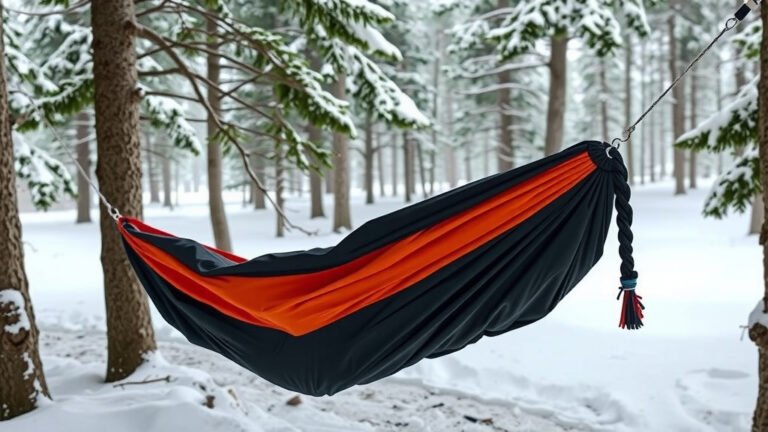
Whoopie slings are a favorite among experienced campers. They are made from strong cordage and allow for quick and easy adjustment of your hammock’s length and tension. They look a bit like braided ropes that you can cinch down. We found them to be incredibly versatile and lightweight.
Straps: Tree-Friendly Options
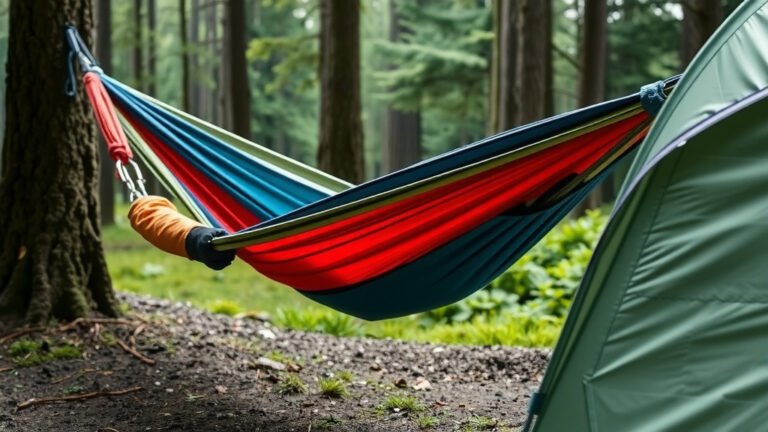
Tree straps are wide, flat webbing straps that loop around trees. They are excellent because they distribute pressure over a larger area, causing less harm to the bark. Many hammocks come with basic webbing straps, but we recommend looking for ones made of polyester or nylon that are at least 1 inch wide for better tree protection (USDA Forest Service).
Carabiners: The Connectors
Most suspension systems use carabiners to connect the hammock to the slings or straps. Look for lightweight but strong aluminum carabiners. Avoid using regular D-ring carabiners that aren’t rated for climbing or load-bearing, as they might not be strong enough for suspending your weight.
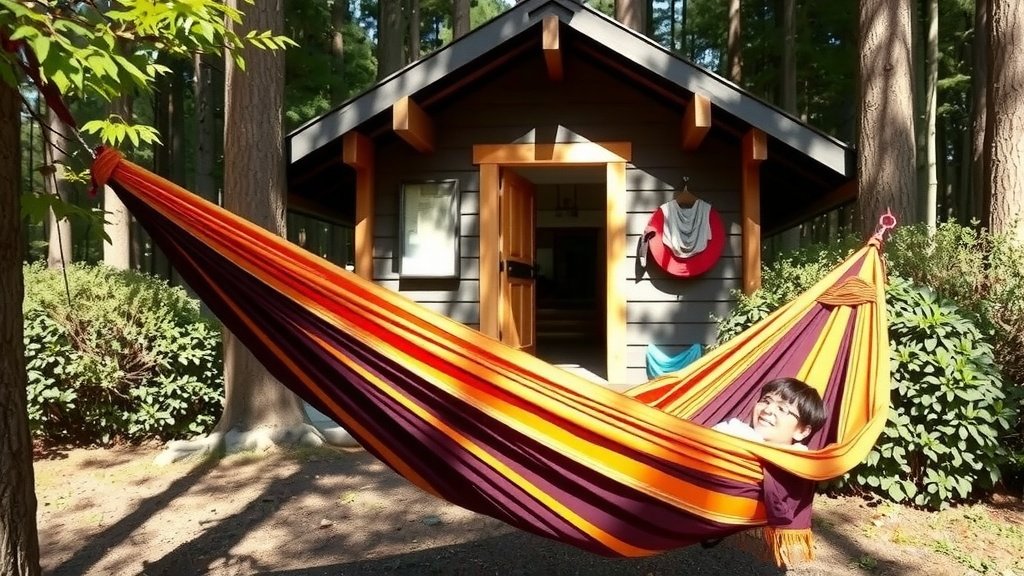
Essential Camping Hammock Accessories
While the hammock itself is key, a few accessories can dramatically improve your camping experience.
Bug Nets: Your Shield from Pests
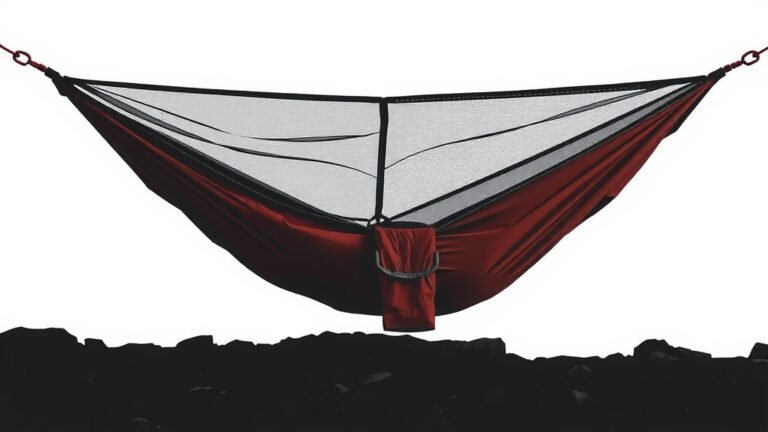
Mosquitoes and other biting insects can turn a peaceful night into an itchy nightmare. A built-in or separate bug net is a must-have for many camping locations, especially in warmer months. We found that integrated nets offer the most convenience, keeping everything connected.
Rain Tarps: Staying Dry and Cozy
A rain tarp, or simply a “tarp,” is like a portable roof for your hammock. It keeps rain, dew, and even harsh sun off you. Look for a tarp that’s large enough to cover your hammock completely, plus some extra space for your gear. Silnylon or silpoly (silicone-impregnated nylon or polyester) are popular choices because they are waterproof and lightweight.
Underquilts: Warmth from Below
Ever wonder why you feel cold even when zipped up in your sleeping bag in a hammock? It’s because your body weight compresses the insulation, reducing its ability to keep you warm. An underquilt is an insulated layer that hangs *underneath* your hammock, trapping warm air. Many experts say it’s essential for comfortable three-season camping (REI).
Quick Checklist for Your Perfect Camping Hammock
Ready to pick your hammock? Keep these points in mind:
- Material: Prioritize lightweight, quick-drying nylon.
- Weight Capacity: Ensure it exceeds your needs for safety.
- Suspension: Look for adjustable whoopie slings or wide tree straps.
- Bug Net: Highly recommended for most camping trips.
- Tarp: Essential for protection from rain and sun.
- Underquilt: Consider for cooler weather camping.
Conclusion
You’ve learned that the best camping hammock is a blend of lightweight design, tough materials, and a reliable suspension. Prioritizing ripstop nylon, checking weight limits, and considering the ease of setup with whoopie slings or wide straps will serve you well. Don’t forget accessories like bug nets and tarps for ultimate comfort and protection. Now, you’re ready to choose the hammock that fits your adventuring style. Pack it up, find some trees, and enjoy the great outdoors!
Frequently Asked Questions
What’s the biggest mistake new hammock campers make?
A common mistake is not considering the suspension system. Using thin rope or improper knots can damage trees and lead to a hammock falling. We’ve found that investing in quality tree straps or whoopie slings is essential for safety and tree health.
Can I use my backyard hammock for camping?
Generally, no. Backyard hammocks are often made of cotton or heavier materials that don’t pack well, dry slowly, and aren’t durable enough for trail conditions. Your cotton hammock might be comfy at home, but it’s not ideal for rugged camping.
How do I know if a hammock is big enough for me?
Consider your sleeping style. If you like to lie flat or sleep diagonally, a double hammock offers more space. We suggest looking at the listed dimensions and picturing yourself lounging or sleeping to gauge if it provides enough room for your comfort.
Is a bug net really necessary for every camping trip?
While not always needed in cooler, drier climates, a bug net is a lifesaver in many camping environments. We’ve researched that in warmer months or near water sources, mosquitoes and biting flies can make a trip miserable without one.
How can I stay warm in a hammock during cooler weather?
Your body heat can escape through the bottom of the hammock because your sleeping bag gets compressed. An underquilt, which hangs below your hammock, is the best solution. It traps warm air effectively, making your hammock a comfortable sleep system even in colder temperatures.