Hammock Hang Angle: Why It Matters for Comfort
The hammock hang angle is super important because it directly impacts your comfort and sleep quality. An ideal angle allows your hammock to lay relatively flat, creating a comfortable sleeping surface. Getting this angle wrong can lead to a saggy, uncomfortable position that makes sleeping difficult and can even cause pain.
Finding the right hang angle helps prevent the “banana effect,” where you’re constantly curved. A good angle distributes your weight evenly. Many hammock campers and experts agree that a hang angle between 25 and 30 degrees is generally best for a flat lay. This angle is key to enjoying your hammock for extended periods.
- The best hammock hang angle makes sleeping comfortable.
- It should allow your hammock to lay almost flat.
- A common sweet spot is 25-30 degrees.
- This prevents uncomfortable curving and pain.
- Getting it right means a better hammock experience.
We’ve found that understanding this simple measurement makes a world of difference in your hammock setup. Let’s walk through exactly how to achieve that perfect hang angle for your best night’s sleep outdoors.
Getting Your Hammock Hang Angle Just Right
So, you’ve got your hammock, and you’re ready to relax. But wait! Did you know the angle at which you hang it makes a huge difference? It’s not just about finding two trees. Getting the hang angle correct is key to a comfortable and supportive experience.
Why the Angle Matters for Your Comfort
Think of your hammock as a comfortable chair or bed. You want it to cradle you, not squeeze you. A bad angle often means the hammock is too tight. This can create a shape that feels like a banana. You’ll end up curved uncomfortably, putting pressure on your back and shoulders. This isn’t what hammocks are for!
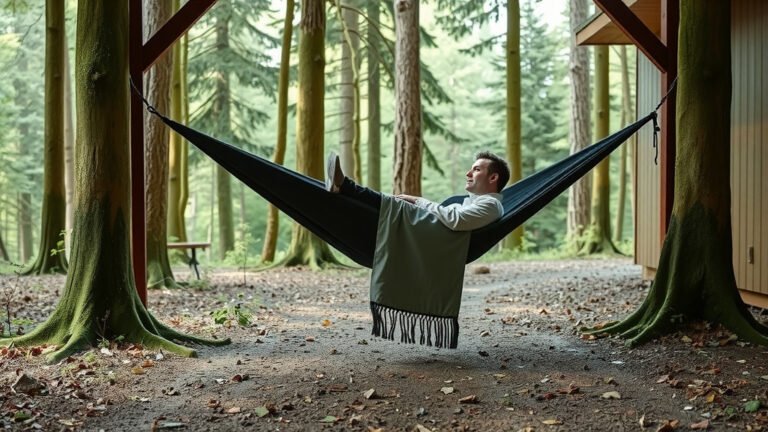
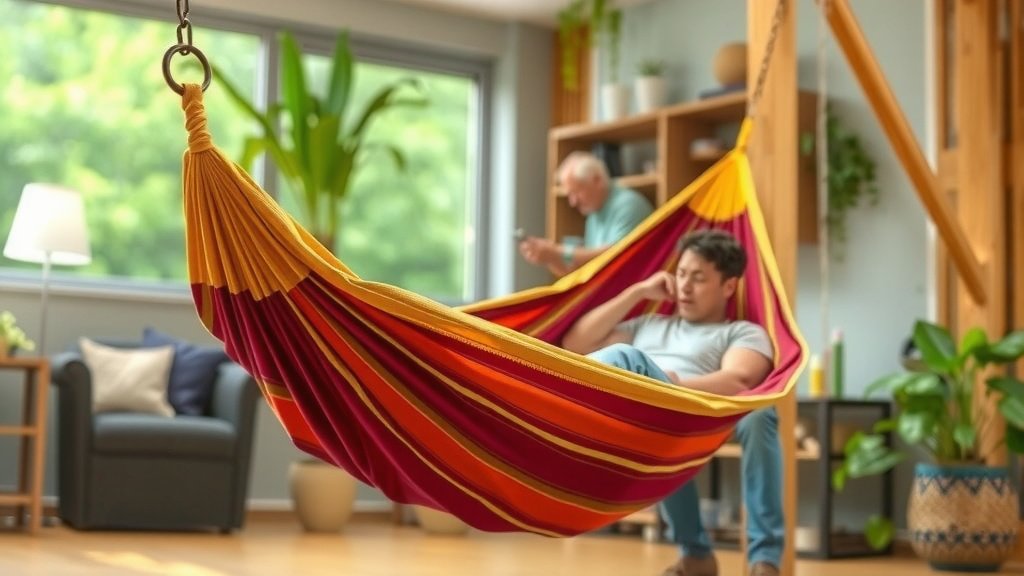
On the flip side, a proper hang angle lets your hammock lay almost flat. This distributes your weight evenly across the fabric. It creates a much larger surface area. This means you can lie down comfortably, even on your side. Many hammock campers agree that a flatter lay is much better for sleeping.
The “Banana Effect” Explained
Have you ever heard of the “banana effect”? It’s that feeling of being constantly curved like a slippery yellow fruit. This happens when your hammock is hung too tightly between anchor points. The tension pulls the fabric into a deep U-shape. Your body then has to conform to this curve.
This constant curve can lead to a sore back. It can also make it hard to find a good sleeping position. We found that avoiding this effect is a top priority for anyone wanting to enjoy their hammock for more than a few minutes. A gentle curve is okay, but a deep one is usually a sign your angle is off (Mao Clinic).
Understanding Hammock Suspension and Angles
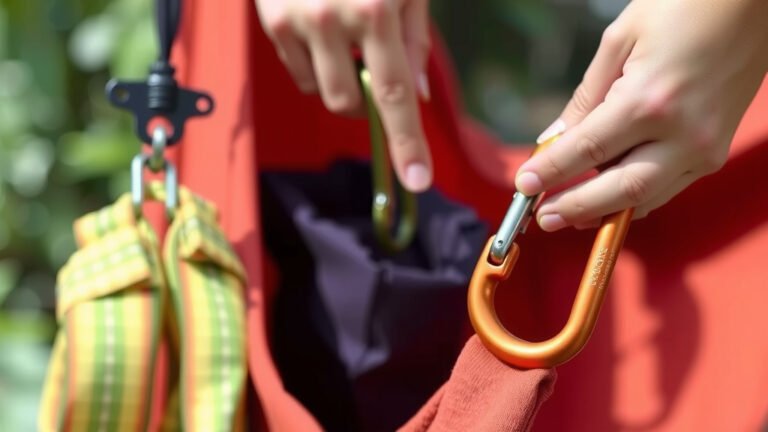
Your hammock’s suspension system connects it to the trees. This includes your suspension straps and any included whoopie slings or other adjusters. These are what allow you to control the hang angle. It’s all about the relationship between the distance between your anchor points and the length of your suspension.
The Ideal Angle Range: What the Experts Say
While personal preference plays a role, research and experienced campers point to a sweet spot. Most experts suggest an angle between 25 and 30 degrees. This range is generally considered ideal for achieving that flat, comfortable lay. It’s the perfect balance between being too tight and too loose.
This angle allows the hammock to fully extend. Your body can then stretch out more naturally. We found that aiming for this range consistently leads to better relaxation. It’s a good starting point for most users. You might find you prefer a degree or two outside this, but it’s a solid guide.
How to Measure Your Hang Angle
Measuring the angle might sound technical, but it’s quite simple. You can use a smartphone app or even a protractor if you have one. The measurement is taken from the ground up to the suspension strap at the anchor point.
Here’s a simple breakdown:
- Imagine a horizontal line from where your hammock strap meets the tree.
- Imagine a vertical line going straight down from that same point.
- The angle your suspension strap makes with the horizontal ground is your hang angle.
Many people just eyeball it, but a quick check can save you a lot of adjustment time. You’re looking for a gentle slope, not a steep drop.
Factors Affecting Your Hang Angle
Several things can influence the angle you end up with. Understanding these helps you troubleshoot.
Distance Between Anchor Points
This is the most obvious factor. If your trees are very close together, you’ll need shorter suspension. This naturally leads to a tighter, steeper angle. If the trees are far apart, you’ll need longer suspension, which can create a looser, shallower angle.
Length of Suspension
Your suspension system’s length is your main tool for adjustment. Longer suspension creates a more shallow angle. Shorter suspension creates a steeper angle. Mastering this length is how you fine-tune your hang.
Hammock Size and Style
Different hammocks have different designs. Longer or wider hammocks might hang a bit differently. Some specialty hammocks are designed for a specific lay. Always check the manufacturer’s recommendations if available.
Adjusting Your Hammock for the Perfect Angle
Don’t worry if your first few attempts aren’t perfect. Adjusting your hammock is part of the process. It’s a bit like learning to ride a bike – you wobble a bit before you find your balance.
Too Steep? (Too Tight / Too Much Banana)
If your hammock feels too tight or you’re experiencing the banana effect, your angle is likely too steep. This means your suspension is probably too short for the distance between your trees. You need to lengthen your suspension. Try adjusting your whoopie slings or using longer straps.
Too Shallow? (Too Loose / Sagging)
If your hammock feels too loose, like you’re sinking too much, your angle is too shallow. This means your suspension is too long for the distance. You need to shorten your suspension. Shorten your whoopie slings or use shorter straps. You want a firm but yielding support.
Common Hammock Hang Angle Mistakes to Avoid
Even experienced campers can make these mistakes. Being aware helps you avoid frustration.
Here’s a quick checklist:
- Hanging your hammock too tightly between trees.
- Not checking your angle after making adjustments.
- Using suspension that’s too short for your tree distance.
- Ignoring how your body feels in the hammock.
- Forgetting that different trees may require different setups.
The Relationship Between Suspension Length and Angle
We found that the relationship between suspension length and hang angle is fundamental. It’s a direct cause and effect. Let’s look at it visually. Imagine your suspension straps are the hypotenuse of a triangle. The distance between trees is one side, and the drop of your hammock is another. A longer hypotenuse (suspension) for a fixed distance between trees will result in a shallower angle and less drop.
Conversely, a shorter hypotenuse will create a steeper angle and more drop. Many hammock suspension systems, like whoopie slings, are designed for easy length adjustment. This flexibility is exactly what you need to dial in that perfect angle. Some research suggests that a longer hammock body also helps achieve a flatter lay, independent of the angle (NCBI).
Putting it All Together for Ultimate Comfort
Finding the right hammock hang angle transforms your outdoor experience. It’s the difference between a night of tossing and turning and a deep, restful sleep. Don’t be afraid to experiment a little. What works perfectly for one person might need a slight tweak for another.
We found that once you get the hang of it, you’ll be able to set up your hammock quickly and comfortably every time. It becomes second nature. Remember to consider the 25-30 degree range as your starting point. Listen to your body. If it feels good, you’re probably doing it right!
Conclusion
You’ve learned how vital the hammock hang angle is for your comfort. Getting it right means avoiding the dreaded “banana effect” and enjoying a flat, supportive lay. Remember that the sweet spot is typically between 25 and 30 degrees. This angle ensures your weight is distributed evenly for a restful experience. Don’t be afraid to experiment a bit with your suspension. Adjusting the length is your key to finding that perfect balance. Take these tips with you on your next adventure. You’ll be sleeping soundly under the stars in no time!
Frequently Asked Questions
What happens if my hammock hang angle is too steep?
If your angle is too steep, your hammock will feel overly tight. This often results in the uncomfortable “banana effect,” forcing your body into a curved position. You might also feel pressure points on your back or shoulders. It’s a sign your suspension is likely too short for the distance between your anchor points.
How can I tell if my hammock hang angle is too shallow?
A shallow angle means your hammock is too loose. You’ll feel like you’re sinking too deeply into the fabric, and it might not feel supportive. It can also lead to the hammock not laying out flat. This usually indicates your suspension is too long for the space you have.
Can I sleep in my hammock if the angle isn’t perfect?
You might be able to sleep, but it likely won’t be your most comfortable night. An incorrect angle can lead to discomfort, stiffness, and poor sleep quality. Finding that ideal 25-30 degree range significantly enhances your ability to relax and get quality rest.
Does the length of my hammock affect the ideal hang angle?
While the angle is primarily determined by suspension length and anchor point distance, your hammock’s own length can play a small role. A longer hammock body generally makes it easier to achieve a flatter lay. However, focus first on getting the angle right with your suspension adjustments.
How often should I check my hammock hang angle?
You should check your hang angle every time you set up your hammock, especially when using new anchor points. Different trees might have slightly different spacing, requiring minor adjustments. Once you get good at it, checking and adjusting only takes a few minutes and ensures maximum comfort.