What Is a Hex Tarp: A Comprehensive Guide
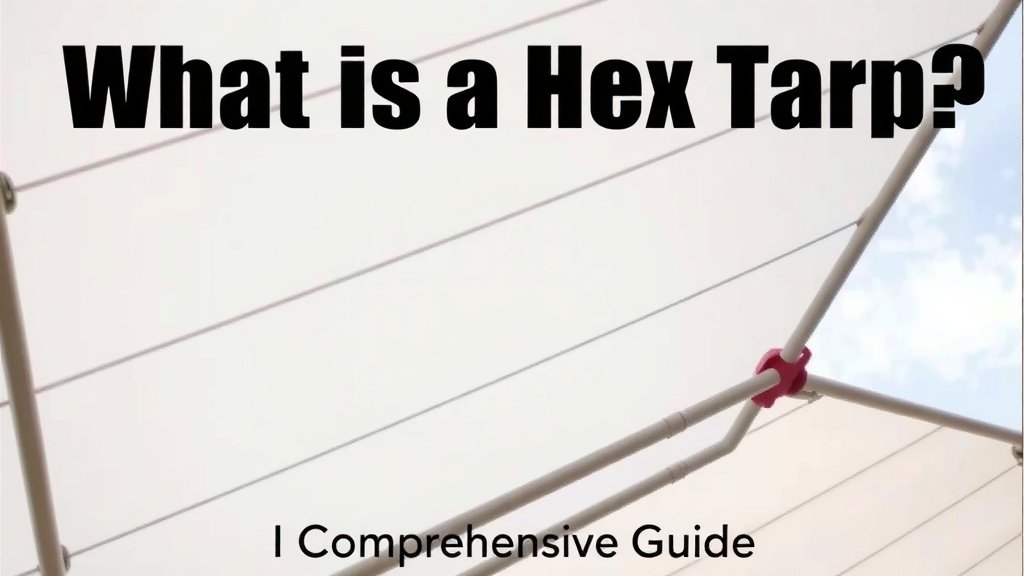
A hex tarp is essentially a hexagonal-shaped tarp. This unique design makes it a popular choice for campers and backpackers because it offers versatile setup options for shelter. Think of it as a regular tarp, but with six sides instead of four, giving you more ways to pitch it.
Unlike traditional rectangular tarps, the hex design allows for a tighter, more aerodynamic pitch when facing wind. It’s also great for creating different shelter configurations, like a lean-to or an A-frame, providing better protection from the elements. Many hikers choose a hex tarp for its balance of coverage and weight.
- A hex tarp has a hexagonal (six-sided) shape.
- This shape offers more setup possibilities than a square or rectangular tarp.
- It’s often preferred by campers for its ability to create sturdy, aerodynamic shelters.
- The design can provide good coverage while remaining relatively lightweight.
Let’s get into the details of what makes a hex tarp so useful for your outdoor adventures.
You’ve got your basic tarp, right? It’s a trusty rectangle or square, a workhorse for any outdoor trip. But what if you want something a little… different? Something that can offer more flexibility and a sturdier setup, especially when the weather decides to throw a tantrum?
Understanding the Hexagonal Tarp Design
A hex tarp is a tarp shaped like a hexagon. Think of it as a six-sided polygon. This geometric difference is key to its advantages. It moves beyond the standard four-sided footprint of most tarps.
This shape is not just for looks. It’s been chosen for a reason. Many backpackers and campers have found it’s a smart choice for versatility. You get more anchor points and a unique profile to work with.
What Exactly is a Hex Tarp?
At its core, a hex tarp is a piece of waterproof material cut into the shape of a hexagon. Instead of four corners, you have six points where you can attach guylines or tie-downs. These points are typically reinforced. They allow you to create a variety of shelter configurations.
The material itself can vary. You’ll find them made from silnylon, silpoly, or even Dyneema Composite Fabric (DCF). Each material has its own benefits regarding weight, durability, and waterproofing. The hexagonal shape, however, is the defining feature.
Why Choose a Hexagonal Shape Over Rectangular?
So, why bother with a six-sided shape when a rectangle seems simpler? The main reason is setup flexibility. A rectangular tarp is great for simple A-frames or lean-tos. A hex tarp opens up more creative possibilities.
Imagine you’re dealing with unpredictable winds. A hexagonal tarp can often be pitched in a way that creates a more aerodynamic profile. This means it can hug the ground better and offer less surface area for strong gusts to catch. Many hikers report it feels more stable.
Additionally, the shape allows for a more compact shelter when needed. You can pull the sides in tighter. This can help conserve warmth on a chilly night. It’s like having a tarp that can adapt to your specific needs and the conditions.
Key Advantages of Using a Hex Tarp
When you’re out in the backcountry, every ounce counts. But so does protection from the elements. Hex tarps often strike a good balance between these two. Let’s break down some of the specific benefits you’ll enjoy.
Versatile Pitching Options
This is where the hex tarp truly shines. Because you have six points of contact, you can pitch it in numerous ways. You can create a classic A-frame, a lean-to, or even a more enclosed geodesic-style shelter.
Think about setting it up over a hammock. A hex tarp can offer excellent coverage for a single hammock. You can angle it to protect you from rain coming from one direction. Or you can pitch it lower for more wind protection. You might even try a modified cowboy camping setup. The possibilities are quite extensive.
Improved Wind Resistance
We found that the hexagonal shape naturally lends itself to a more stable pitch. By using the corner and edge tie-out points strategically, you can tension the tarp tightly. This reduces flapping and makes it less susceptible to wind damage.
Many designs feature a slightly asymmetrical cut. This can help direct wind flow around the shelter. It’s like a well-designed kite. The shape helps it stay put. This can be a real lifesaver when the weather turns sour unexpectedly.
Coverage and Weight Balance
For many solo hikers, a hex tarp offers an ideal amount of coverage. It’s large enough to keep you and your gear dry. However, it’s often lighter than a similarly sized rectangular tarp. Manufacturers use lightweight materials to achieve this.
A common size might be around 10-12 feet across. This gives you plenty of space. Yet, we found many weigh in under 1.5 pounds. This makes it a very attractive option for ultralight backpackers. You get significant shelter without a hefty weight penalty.
Ease of Setup for Different Scenarios
While there are more options, many basic hex tarp setups are still quite simple. You can often get a decent shelter up in just a few minutes. You just need a few trekking poles or trees and some cordage.
For a basic lean-to, you might tie two opposing points to trees or poles. Then, stake out the remaining points to the ground. This creates an angled roof. For an A-frame, you’d create a ridge line and stake out the sides. It’s less about complicated knots and more about understanding how to tension the fabric.
Common Hex Tarp Configurations
Let’s visualize some of the ways you can actually pitch your hex tarp. Knowing these basic setups will help you decide if this shape is right for you.
The A-Frame
This is a classic for a reason. You create a ridge line using cordage between two trees or attached to trekking poles. Then, you stake out the sides. The hexagonal shape allows you to make this shelter quite taut and stable.
The Lean-To
This is incredibly simple. You’ll tie up one edge of the tarp to create a sloping roof. The other edge is staked to the ground. It’s great for providing shelter from wind and rain coming from a specific direction. It also offers great ventilation.
The Diamond or Pentagon
With a hex tarp, you can also pitch it in a slightly asymmetrical way. By choosing different tie-out points, you can create shapes that resemble a diamond or a pentagon. This can be useful for maximizing coverage in specific wind conditions or for creating a smaller, cozier space.
Materials and Considerations
When you’re looking at hex tarps, pay attention to the materials. This is where a lot of the weight and performance differences come in.
Fabric Types
You’ll most commonly see hex tarps made from:
- Silnylon: Silicone-coated nylon. It’s reasonably lightweight and very waterproof. It can stretch a bit when wet.
- Silpoly: Silicone-coated polyester. It’s similar to silnylon but stretches less when wet. It’s often a bit heavier.
- DCF (Dyneema Composite Fabric): Extremely lightweight and waterproof. It’s also very strong but also very expensive.
Reinforcements and Tie-Outs
Check how the tie-out points are reinforced. Are they just stitched, or do they have extra webbing or grommets? Good reinforcement is key to the longevity of your tarp. You don’t want those points tearing out under tension.
How many tie-out loops are there? Most hex tarps have at least six on the corners. Many will have additional loops along the edges. These extra loops give you even more flexibility in your pitching options. We found that having more loops is generally better.
Size Matters
Consider how much space you need. A smaller hex tarp might be perfect for a solo ultralight trip. A larger one could comfortably shelter two people and their gear. Think about how you typically camp. Do you spread out, or do you like to keep things compact?
Is a Hex Tarp Right for You?
If you value flexibility and enjoy experimenting with different shelter setups, a hex tarp could be an excellent addition to your gear. It offers a great balance of coverage, weight, and weather protection.
Here’s a quick checklist to help you decide:
- Do you backpack frequently?
- Do you encounter varied weather conditions?
- Do you enjoy having multiple setup options?
- Are you looking for a good balance of weight and coverage?
- Are you comfortable with slightly more complex pitches than a simple rectangle?
- Do you appreciate a stable shelter that can handle wind?
If you answered yes to most of these, then a hex tarp might just be your new favorite piece of outdoor equipment. It’s a smart design that offers a lot of utility for its weight and size.
Conclusion
You’ve learned that a hex tarp is more than just a six-sided piece of fabric. Its unique shape offers serious advantages for backpackers and campers. You gain versatile pitching options, from aerodynamic wind shelters to cozy lean-tos. This flexibility often comes with a great balance of coverage and weight, making it ideal for those counting ounces. If you’re looking to enhance your shelter setups and adapt to various conditions, researching hex tarps is your next smart move. Consider which size and material best fit your adventures.
Frequently Asked Questions
Are hex tarps difficult to set up?
Many hex tarp setups are surprisingly simple. While there are more possibilities than with a rectangular tarp, basic configurations like a lean-to or A-frame can be pitched quickly. You’ll primarily need cordage and a few anchor points like trees or trekking poles. With a little practice, you’ll find them quite intuitive.
Can a hex tarp fit two people?
Yes, many hex tarps are sized to comfortably shelter two people and their gear. A common size is around 10-12 feet across, which provides ample coverage. When choosing, consider how much space you and your camping partner typically need for comfort.
What is the main benefit of the hexagonal shape over a square tarp?
The primary benefit is the increased setup flexibility. With six tie-out points, you can create a wider range of shelter configurations. This allows for better wind resistance, more compact setups, and options tailored to specific weather conditions.
Do hex tarps weigh more than rectangular tarps?
Not necessarily. Manufacturers often use lightweight materials like silnylon, silpoly, or DCF for hex tarps. For the amount of coverage they offer, hex tarps can often be lighter than similarly sized rectangular tarps. Weight depends heavily on the material used.
How do I choose the right size hex tarp for solo use?
For solo use, a hex tarp around 10 feet in diameter is usually sufficient. This size provides enough room to sleep comfortably and store your pack. If you prefer more space for lounging or cooking under shelter, consider a slightly larger 11 or 12-foot option.