How to Spot a Quality Hammock: Buyer’s Guide
You can tell if a hammock is good quality by looking at its material, stitching, and weight capacity. High-quality hammocks often use durable fabrics like ripstop nylon or tightly woven cotton. They will also feature strong, even stitching with no loose threads, and a weight limit that feels substantial for its size.
Choosing the right hammock means prioritizing comfort and safety for your relaxation. A well-made hammock is built to last through many outdoor adventures. We found that focusing on these key indicators helps you avoid flimsy designs and invest in a hammock that truly supports you.
- Look at the fabric.
- Check the seams and stitching.
- Verify the weight limit.
- Consider the hardware if included.
- Read recent customer reviews.
Let’s walk through exactly how to check these details so you can find your perfect, high-quality hammock.
How to Spot a High-Quality Hammock
You’ve decided it’s time for some serious relaxation, and a hammock sounds like just the ticket. But how do you pick one that won’t leave you regretting your purchase? We found that focusing on a few key elements can help you identify a hammock built for comfort and durability. Let’s break down what makes a hammock truly good quality.
Fabric: The Foundation of Your Comfort
The material your hammock is made from is a huge indicator of its quality and how it will feel. Think of it as the skin of your hammock; it needs to be both strong and comfortable.
Durable Synthetics for the Adventurer
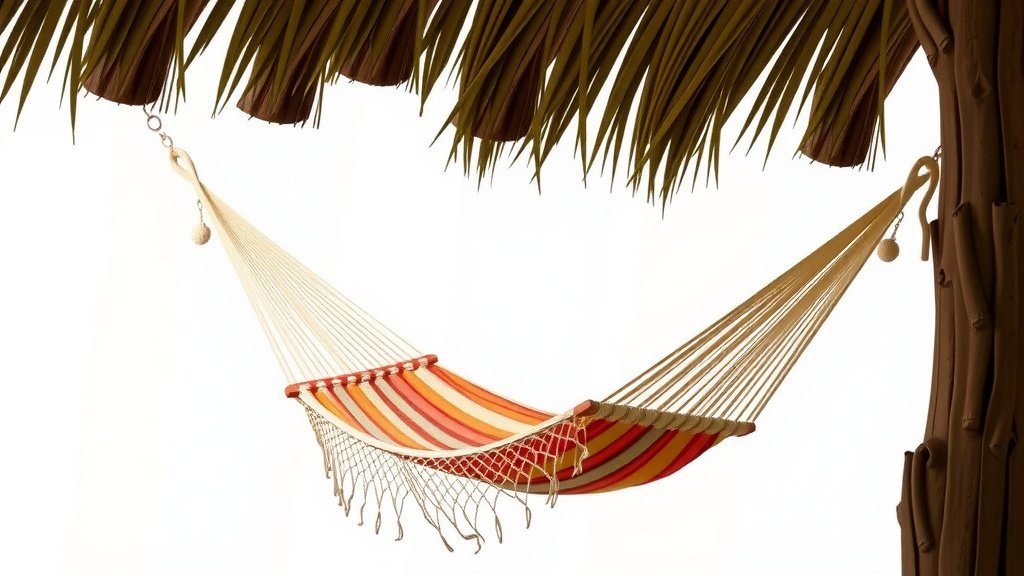
For serious outdoor use, you’ll often find hammocks made from ripstop nylon. This material is chosen for its incredible strength-to-weight ratio. It’s designed so that if a small tear occurs, the “ripstop” weave prevents it from spreading. This means your hammock can handle more adventurous situations without failing. We found ripstop nylon hammocks are also quick-drying, which is a big plus.
Natural Fibers for Cozy Lounging
If your idea of relaxing involves a backyard or a quiet porch, you might prefer natural fibers like cotton. Look for tightly woven cotton. This means more threads packed closely together, making the fabric stronger and less likely to stretch out of shape. A good cotton hammock should feel substantial, not thin and flimsy. We found that while beautiful, cotton can take longer to dry and might be less suitable for very humid climates.
Weave and Texture Matter
Beyond just the type of fiber, pay attention to the weave. A tight, even weave suggests better craftsmanship. You don’t want to see large gaps where threads are spaced far apart. This often means the hammock will stretch more and could be prone to tearing. We found that a slightly textured feel, rather than a perfectly smooth, slippery one, can sometimes indicate a more robust weave.
Stitching and Seams: The Unsung Heroes
The seams and stitching are where the fabric comes together, and weak points here can lead to disaster. This is where many cheaper hammocks fail.
Inspect the Stitch Lines
When you look at the stitching along the edges and any reinforced areas, it should be straight, even, and consistent. You shouldn’t see any skipped stitches, loose threads, or multiple overlapping rows that look messy. We found that a good quality hammock will have a clean, professional-looking stitch line. Think about sewing a seam on a pair of jeans – it’s built to last. This is the hammock equivalent.
Reinforced End Loops
The loops or channels where your suspension system (ropes or straps) attaches are critical. These areas need to be heavily reinforced. Look for multiple rows of strong stitching, or a material folded over and sewn securely. Some hammocks use a strong webbing material sewn into the end for extra durability. We found that tugging gently on these loops can give you a sense of their strength, but don’t pull too hard!
Weight Capacity: How Much Can It Hold?
This is a non-negotiable safety feature. A hammock’s weight capacity tells you how much it’s designed to safely support.
Understanding the Numbers
Don’t just glance at the number; understand what it means for you and potential users. Most camping or outdoor hammocks list a capacity between 250 to 500 pounds. A hammock rated for 400 pounds, for example, is generally considered quite robust for one or two people. We found that manufacturers typically test their hammocks significantly beyond their stated weight limit to ensure safety margins.
Why It’s Important
Using a hammock beyond its weight limit is dangerous. It can lead to sudden failure, causing injury. A higher weight capacity often indicates stronger materials and better construction techniques. It’s a good rule of thumb to choose a hammock with a capacity that is at least double your expected load. This provides a safety buffer. We found that reputable brands are transparent about their testing and weight limits.
Hardware and Suspension: The Supporting Cast
If your hammock comes with suspension straps or hardware, these components also need to be high quality.
Material of Carabiners and Buckles
For hammocks that use buckle systems or included carabiners, check that they are made from sturdy metal, not brittle plastic. Aluminum or steel are common and reliable. They should feel solid and operate smoothly. We found that cheap plastic hardware can degrade in sunlight and is more prone to breaking.
Strap Quality
If your hammock comes with tree straps, they should be made from a durable, tightly woven webbing material, similar to what’s used in seatbelts. The stitching on the loops of the straps should also be strong and even. We found that many serious hammock users opt to purchase their own high-quality suspension system separately, but good included straps are a sign of a well-thought-out product.
Customer Reviews: Real-World Feedback
Before you buy, do your homework! What are other people saying about the hammock you’re considering?
What to Look For in Reviews
Scroll through recent reviews, especially those with photos or detailed descriptions. Look for recurring comments about durability, comfort, and ease of use. Pay attention to reviews from people who have owned the hammock for a while – they can speak to its long-term performance. We found that reviews mentioning how the hammock held up after multiple uses or a full season are particularly helpful.
Red Flags in Reviews
Be wary if you see many reviews mentioning the same problems, such as stitching coming undone, fabric tearing easily, or hardware breaking. Also, consider the source of reviews. Are they overly positive and vague, or do they seem genuine and specific? We found that a balance of positive and constructive criticism often points to a more honest product description.
Quick Checklist for a Quality Hammock
Use this handy checklist when you’re evaluating a hammock:
- Fabric feels strong and tightly woven.
- Stitching is neat, even, and without loose threads.
- End loops or attachment points are reinforced.
- Weight capacity is clearly stated and seems appropriate.
- Any included hardware feels solid and well-made.
- Recent customer reviews are generally positive about durability.
Conclusion
You’ve learned how to spot a truly high-quality hammock. By examining the fabric for durability, checking the stitching for strength, and verifying the weight capacity, you’re well-equipped to make a smart choice. Don’t forget to consider the included hardware and trust the wisdom of fellow users by reading recent customer reviews. Investing a little time now means investing in years of comfortable, safe relaxation. Your next step is to take this checklist with you the next time you’re shopping online or in-store, and find that perfect hammock.
Frequently Asked Questions
What’s the best fabric for a hammock I plan to use outdoors a lot?
For frequent outdoor use, ripstop nylon is often your best bet. We found it’s incredibly strong for its weight and dries quickly, which is perfect for unpredictable weather. It’s designed to prevent small tears from spreading, adding extra durability for your adventures.
How can I tell if the stitching is good quality?
Look for stitching that is straight, even, and consistent. There shouldn’t be any loose threads or skipped stitches. High-quality hammocks will have clean, reinforced stitching, especially around the end loops where suspension attaches. We found this attention to detail is a clear sign of good craftsmanship.
Is a higher weight capacity always better?
A higher weight capacity generally indicates stronger materials and construction, offering a good safety margin. We recommend choosing a hammock with a capacity that comfortably exceeds your expected load, ideally at least double. This ensures it can handle stress safely, even during vigorous use.
What if the hammock comes with straps or hardware? Should I worry about those too?
Yes, absolutely! If your hammock includes suspension straps or hardware like carabiners, check that they are made from sturdy materials. For hardware, look for solid metal, not brittle plastic. Straps should be made of durable, tightly woven webbing. We found that even good hammocks can be let down by poor quality accessories.
How important are customer reviews for assessing hammock quality?
Customer reviews are very important! They offer real-world feedback on durability and performance over time. We suggest looking for recent reviews that mention how the hammock held up after multiple uses or a full season. Be wary of consistent complaints about stitching or fabric issues.