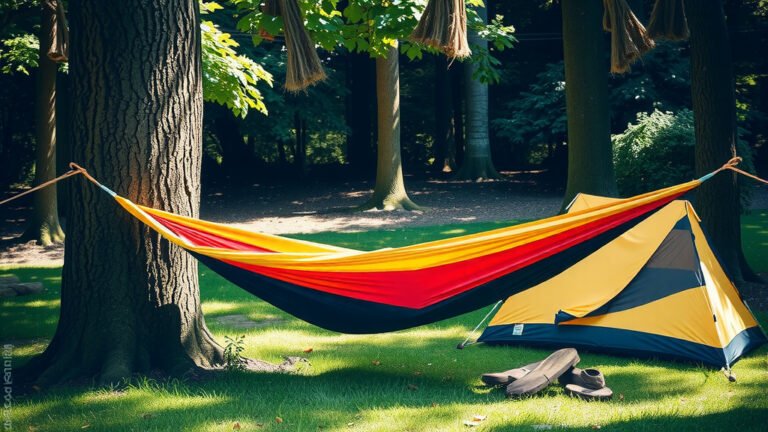
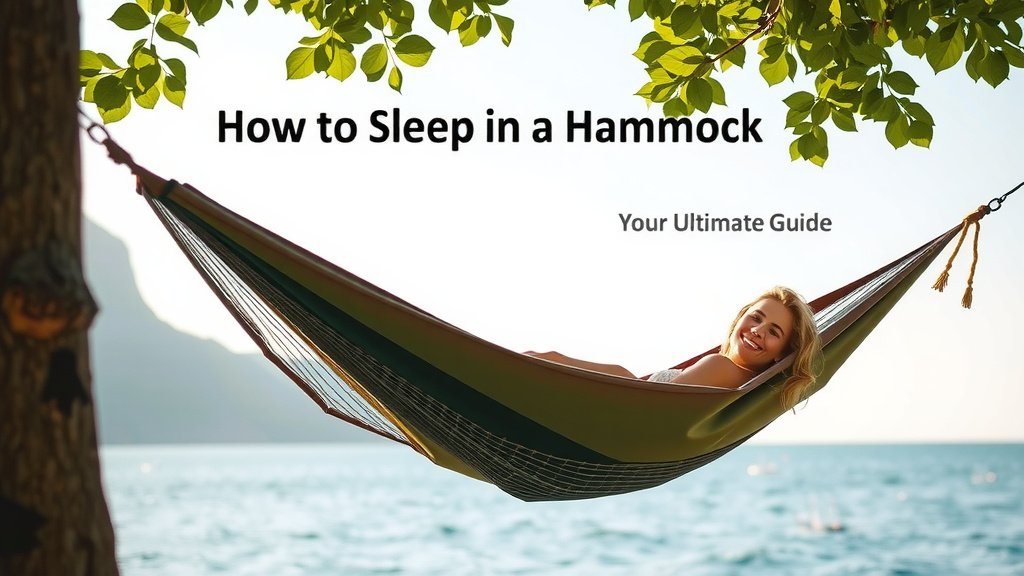
How to Sleep in a Hammock: Your Ultimate Guide
Yes, you can absolutely sleep comfortably in a hammock! The trick is finding the right setup and learning a few simple techniques. Many people think hammocks are only for napping, but with a little practice, you can enjoy a full night’s sleep under the stars.
Sleeping in a hammock might seem a bit unusual at first. You might picture yourself being tossed around like a beanbag. But research shows that when set up correctly, a hammock can actually provide a surprisingly supportive and comfortable sleeping experience. It’s all about achieving that ideal hang for optimal rest.
- Get the right hammock for sleeping.
- Learn the proper hang angle.
- Consider a bug net and underquilt.
- Position yourself correctly in the hammock.
- Use a pillow for head support.
Ready to ditch the lumpy ground? Let’s walk through exactly how to get your hammock set up for a great night’s sleep.
Getting the Perfect Hammock Hang for Sleep
Sleeping in a hammock is a bit of an art form. You want that sweet spot where you’re cradled, not constricted. Achieving the right hang is the first step to a great night’s rest.
The Ideal Hammock Angle: Less Sag, More Comfort
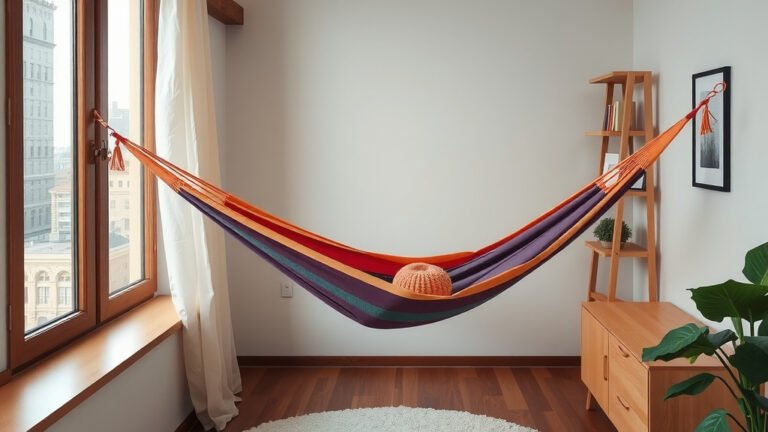
Forget the super saggy look you see in some pictures. For sleeping, you need a flatter hang. Experts recommend an angle of about 30 degrees between your hammock straps and the trees.
Why 30 degrees? This angle creates a flatter surface inside your hammock. It allows you to lie more diagonally. This position is key to preventing that uncomfortable “banana” shape. You’ll find it much easier to lie flat and sleep soundly.
Measuring Your Hang Angle
How do you actually measure this angle? It’s simpler than it sounds. If your hammock is 10 feet long, aim for your suspension points (like tree straps) to be about 8 to 10 feet apart. A longer suspension creates a gentler curve.
You can eyeball it, or use a simple angle finder app on your phone if you’re feeling precise. The goal is a relaxed, open shape, not a deep pocket that pulls you into a ball. This flat hang is your ticket to comfort.
Choosing the Right Hammock for Sleep
Not all hammocks are created equal when it comes to sleeping. You’ll want a hammock designed for comfort and stability. Look for hammocks that are longer and wider than your average camping hammock.
Materials matter too. Ripstop nylon is a popular choice. It’s durable and breathable. Some people prefer cotton hammocks for backyard use, but nylon generally performs better in varied weather conditions. Always check the weight capacity to ensure it’s suitable for you.
Suspension Systems: Straps vs. Rope
How you attach your hammock to trees is important. Tree straps are highly recommended. They distribute the weight evenly. This protects the trees and provides a secure connection.
Rope can work, but it can dig into trees. This can damage the bark over time. If you use rope, opt for wide, soft varieties. Many modern hammocks come with integrated suspension systems. Others require you to purchase straps separately. Prioritize tree-friendly options.
Essential Gear for Hammock Camping Comfort
While the hammock itself is key, a few extra items can make your sleeping experience even better. Think of these as your comfort enhancers.
The Mighty Underquilt: Warmth from Below
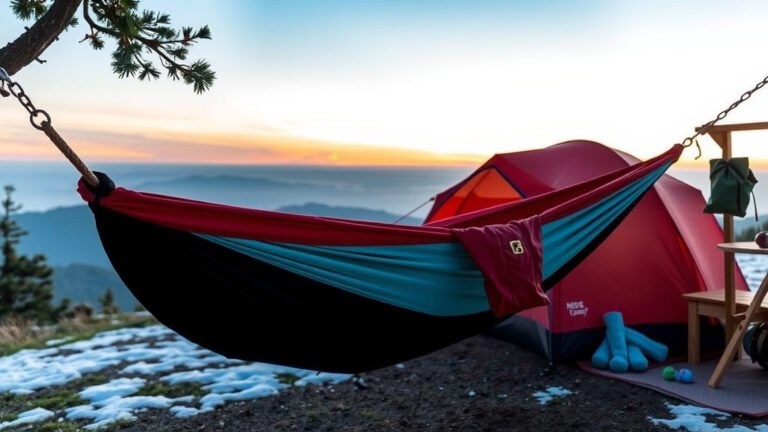
This is perhaps the most important accessory for cold-weather hammock sleeping. An underquilt is like a sleeping bag for the outside of your hammock. It hangs underneath and provides insulation. Why is this so critical?
When you lie in a hammock, your body compresses the insulation in a sleeping bag. This reduces its ability to keep you warm. An underquilt stays uncompressed. It traps a layer of warm air against you. Many campers find that a good underquilt allows them to sleep comfortably in temperatures much colder than they’d expect (National Outdoor Leadership School).
Underquilts come in different temperature ratings. Choose one suited for the conditions you’ll be sleeping in. You can also find full-length and three-quarter-length models. The key is consistent warmth all around you.
Bug Nets: Your Personal Force Field
If you plan to sleep outdoors in the summer, a bug net is almost non-negotiable. Mosquitoes, gnats, and other biting insects can quickly ruin a peaceful night. Hammock bug nets typically zip around the hammock.
They create a barrier between you and the bugs. Some are integrated with the hammock, while others are separate pieces you hang. Look for a net with a fine mesh. It should offer good ventilation while keeping even the smallest pests out. You’ll sleep much better knowing you’re protected.
Pillows: The Finishing Touch
While not strictly necessary, a pillow can make a big difference. You can use a regular camping pillow or even stuff a jacket into a pillowcase. The goal is to support your head and neck. This helps you maintain a natural sleeping posture.
Some hammock sleepers prefer to place the pillow under their head. Others find it more comfortable placed at the small of their back. Experiment to see what works best for you. A little neck support can go a long way.
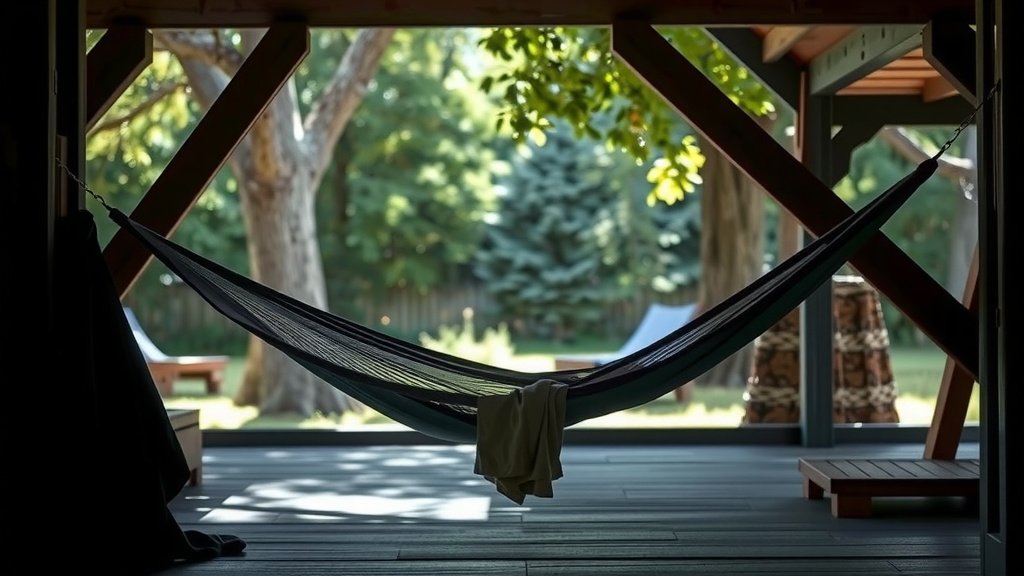
Mastering the Hammock Sleep Position
Once your hammock is set up perfectly, it’s time to get in. The way you position yourself inside is just as important as the hang itself. Your goal is to lie diagonally across the hammock.
The Diagonal Lie: Unlocking Flatness
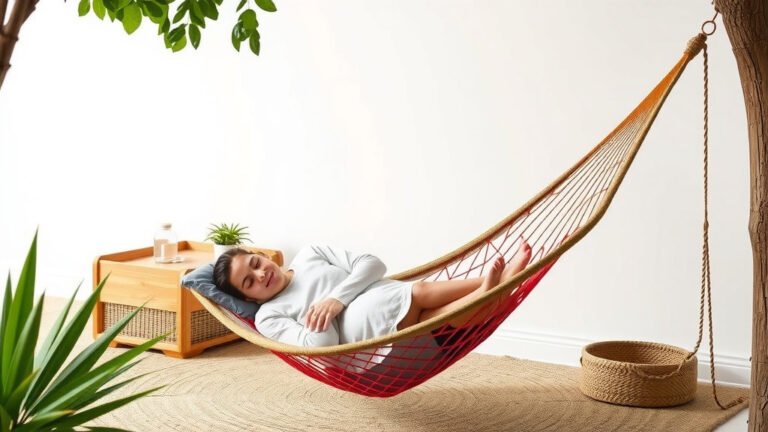
As mentioned before, lying diagonally is the secret to sleeping flat. Don’t lie straight down the middle like you’re on a tightrope. Instead, angle your body so your head is slightly to one side of the centerline, and your feet are slightly to the other.
This shifts your weight. It allows the hammock to open up more. You’ll find yourself lying on a much flatter, more stable surface. Think of it as creating your own personal, comfy raft.
Getting In and Out Gracefully
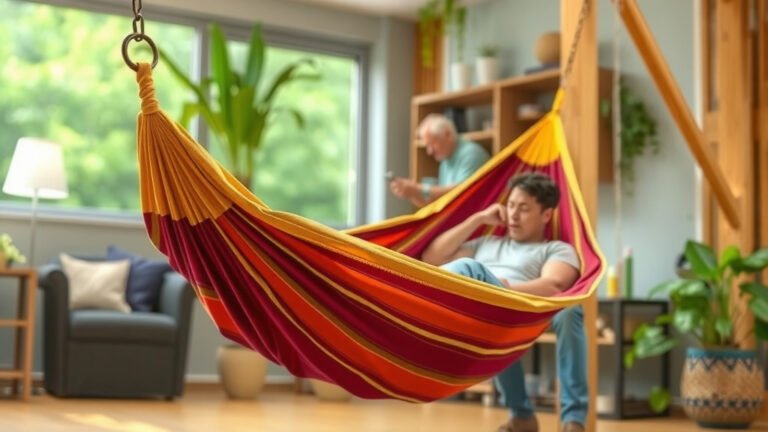
Getting into a hammock can sometimes feel like a circus act. Here’s a simple method: Sit down gently in the middle of the hammock. Then, bring your feet up and lie back diagonally. Keep your weight centered.
Getting out is just as easy. Shift your weight forward and use your hands on the ground or on the hammock straps for stability. It might take a couple of tries to get the hang of it, but you’ll soon find your own comfortable rhythm.
Keeping Your Gear Handy
You don’t want to be fumbling around in the dark for your water bottle or headlamp. Many hammocks come with gear loops, or you can create your own system. A small stuff sack can be hung from a carabiner inside the hammock. This keeps your essentials within easy reach.
Here’s a quick checklist to ensure you’re ready for hammock sleep:- Hang your hammock at a 30-degree angle.
- Ensure your suspension points are about 8-10 feet apart.
- Use wide tree straps for protection and grip.
- Attach an underquilt for warmth in cooler temps.
- Zip on a bug net if insects are present.
- Position yourself diagonally for a flatter lie.
Conclusion
You’re now equipped to transform your hammock into a comfortable sleeping haven! Remember, the key is achieving that ideal 30-degree hang for a flatter, more supportive surface. Don’t forget essential accessories like an underquilt and bug net for ultimate comfort in any environment. By positioning yourself diagonally and using a pillow, you’ll experience a night of restful sleep like never before. So, take this knowledge and get ready for your next adventure!
Frequently Asked Questions
Will I roll out of my hammock while sleeping?
It’s highly unlikely if you set up your hammock correctly. Lying diagonally and ensuring a flatter hang angle (around 30 degrees) keeps you stable. Most people find it quite secure once they get used to the feel.
How do I stay warm enough in a hammock at night?
The most effective way to stay warm is by using an underquilt. Unlike a sleeping bag, an underquilt hangs below your hammock and doesn’t get compressed. This traps warm air and provides consistent insulation.
Can I sleep in a hammock if I’m a side sleeper?
Yes, side sleeping is often very comfortable in a hammock! The diagonal lie helps open up the hammock. This allows you to find a position that supports your hips and shoulders, making it a great option for side sleepers.
What’s the difference between a camping hammock and a regular hammock for sleeping?
Hammocks designed for sleeping are typically longer and wider. This extra space allows for a flatter lay and more comfort throughout the night. While a regular hammock might work for a nap, a dedicated sleeping hammock offers better support for a full night’s rest.
How do I avoid feeling the “banana effect” in my hammock?
The “banana effect” happens when you sag too much in your hammock, forcing you into a curved position. To avoid this, aim for that 30-degree hang angle and lie diagonally across the hammock. This creates a much flatter sleeping surface.