Achieve the Perfect Hammock Sag: Your Essential Guide
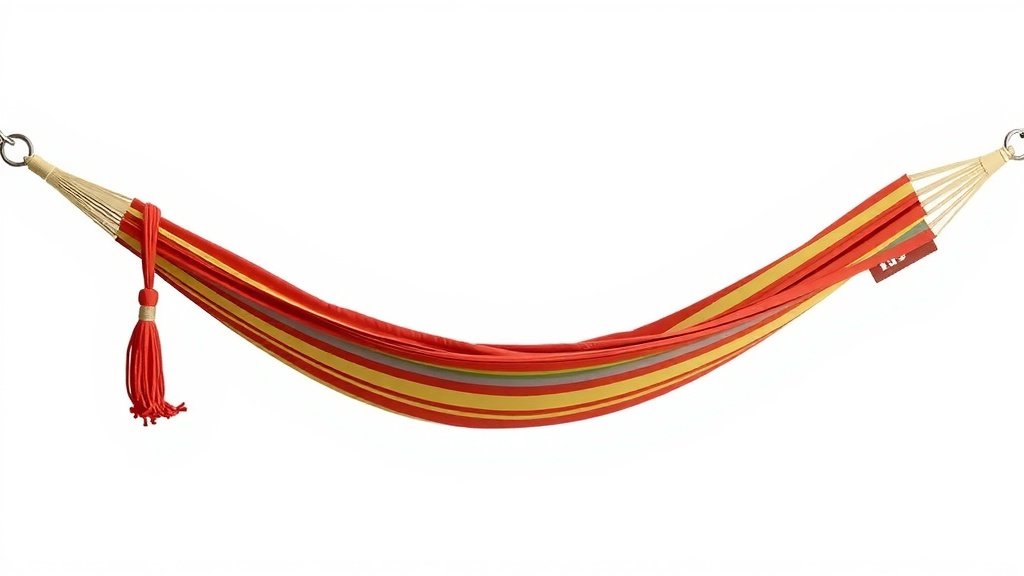
Getting the right hammock sag is key to a comfortable hang. You want your hammock to look like a gentle curve, not a tight string or a deep U. This “sweet spot” ensures maximum relaxation and keeps you from feeling like you’re sliding out. A good sag supports your back properly.
Many people struggle with hammock sag at first. It’s a common newbie pitfall! Too much tension means a flat, uncomfortable ride. Too little, and you might find yourself on the ground. Finding that perfect balance is essential for enjoying your hammock without any aches or pains.
- Aim for a gentle curve, not too tight or too loose.
- A “sweet spot” sag provides maximum comfort.
- Avoid feeling like you’re sliding out.
- Proper sag supports your back well.
- It’s a common struggle, but fixable!
Let’s walk through exactly how to achieve that perfect hammock sag for your next backyard nap or camping trip.
Finding Your Hammock’s Perfect Curve
Achieving that ideal hammock sag is all about balance. You’re not looking for a hammock that’s drum-tight like a guitar string. Nor do you want it so loose it feels like a hammock from a cartoon. The sweet spot is a gentle, natural curve. This curve is key to comfort and support.
When you get the sag just right, your body can relax completely. It distributes your weight evenly. This means no pressure points digging into your back or shoulders. It’s like a perfectly molded hug. This comfort is what makes hammocks so enjoyable for naps, reading, or just lounging.
Understanding Hammock Sag: The Science of Comfort
Why is sag so important? It boils down to how your body interacts with the fabric. A tight hammock forces your body into a straighter position. This can strain your back. It also makes you feel like you might roll out. Research on ergonomics suggests that natural curves are better for supporting the spine (NCBI).
On the other hand, too much sag can be just as bad. You might end up in a deep “U” shape. This can make it hard to get out of the hammock. It can also feel like you’re sinking. Experts suggest that the ideal sag allows your legs to be slightly higher than your torso. This position is often recommended for good circulation and overall comfort.
The 70% Rule: A Simple Guideline
Many seasoned hammock users swear by a simple rule. It’s often called the 70% rule. This means you want the fabric to stretch to about 70% of its total length when you’re in it. For example, if your hammock is 10 feet long, you aim for it to stretch to about 7 feet when you lie down.
This rule is a great starting point. It helps you visualize the correct tension. It’s not a hard and fast law, but it’s a solid guideline. Think of it as your initial target. You can then make small adjustments based on how it feels.
What About Your Height and Weight?
Your personal stats play a role too. Taller or heavier individuals might need slightly less sag. This is to ensure the hammock doesn’t bottom out. Lighter or shorter people might prefer a bit more give. It’s always about finding what feels best for your unique body.
Many hammock manufacturers provide weight limits. Always respect these for safety. But beyond the weight limit, consider how the fabric behaves with your body. Does it feel supportive? Or does it feel like you’re about to touch the ground?
Setting Up Your Hammock for Optimal Sag
Getting the initial setup right makes all the difference. Your anchor points are the starting line for a good hang. These could be trees, posts, or a hammock stand. The distance between these points is your first variable.
Choosing the Right Distance Between Anchor Points
A common recommendation for tree-to-tree hangs is to space them about 10 to 15 feet apart. This range often provides enough room for a pleasant sag. If your anchor points are too close, you’ll naturally end up with a tight, flat hammock. If they’re too far apart, you might struggle to get enough tension without over-tightening.
Imagine you’re trying to hang a picture. You want it straight, but with a little bit of flex. The distance between your anchor points is like choosing where to put the nail. Too high, and the picture tilts. Too low, and it looks off. For hammocks, too close means no curve; too far means a sag that’s too deep.
The Role of Suspension Systems
How you attach your hammock matters. Suspension systems vary. Common types include whoopie slings, whoopies slings, and simple rope or webbing straps. Each offers different ways to adjust tension.
Adjusting with Whoopie Slings
Whoopie slings are popular for their ease of adjustment. You can easily lengthen or shorten them. This allows for fine-tuning your sag. It’s like having a built-in dimmer switch for your hammock’s comfort level.
You can adjust whoopie slings by sliding the knot. Slide it to lengthen the suspension for more sag. Slide it to shorten for less sag. It’s a quick process that lets you dial in the perfect feel. Many users find this system incredibly user-friendly.
Using Webbing Straps and Carabiners
Webbing straps often come with a buckle or carabiner system. You loop the strap around your anchor point. Then, you clip your hammock’s ridgeline to a specific loop on the strap. More loops mean a tighter hang; fewer loops mean a looser hang.
This method is straightforward. It doesn’t offer the micro-adjustments of whoopie slings. However, it’s very sturdy and reliable. You might need to reposition the strap to a different loop to get your desired sag. It’s effective for achieving a good hang.
The Impact of Hammock Length and Material
Not all hammocks are created equal. The length of your hammock is a primary factor. Longer hammocks generally offer more fabric to create a deeper sag naturally. Shorter hammocks might require closer anchor points or less tension to achieve the same curve.
The material also plays a role. Nylon hammocks might stretch more than cotton ones. Different weaves will have different elastic properties. Some heavier-duty materials might feel stiffer at first. Consider the fabric’s properties when you’re setting up.

Troubleshooting Common Hammock Sag Issues
Even with the best intentions, you might encounter problems. Don’t worry, these are usually easy fixes.
Problem: Hammock is Too Tight (Too Little Sag)
If your hammock feels like a taut line, you’ve got too much tension. You’ll feel pressure points. It will be uncomfortable to lie in for long. You might feel like you’re sleeping on a plank.
- Solution: Loosen your suspension system. If using whoopie slings, slide the knot to lengthen them. If using straps, move the carabiner to a lower loop. Give the fabric more room to drape.
Problem: Hammock is Too Loose (Too Much Sag)
This is when your hammock forms a deep “U.” It can be hard to get out. You might feel like you’re sinking to the ground. Your legs might be uncomfortably lower than your head.
- Solution: Tighten your suspension system. If using whoopie slings, slide the knot to shorten them. If using straps, move the carabiner to a higher loop. You want to reduce the amount of drape.
Problem: Hammock Feels Off-Balance
Sometimes, one side feels tighter than the other. This can happen if your anchor points aren’t at the same height. It can also occur if your suspension is unevenly adjusted. This can lead to an uncomfortable, slanted hang.
- Solution: Ensure your anchor points are at the same height. Double-check that your suspension systems are adjusted equally on both sides. A little fine-tuning can make a big difference.
A Quick Hammock Sag Checklist
Here’s a quick rundown to help you achieve that perfect hang:
- Check your anchor point distance (aim for 10-15 feet).
- Use your suspension system to adjust tension.
- Aim for a gentle, natural curve – not too tight, not too loose.
- Test the feel: is it supportive and comfortable?
- Make small adjustments until it feels just right.
- Ensure your legs aren’t significantly lower than your torso.
Conclusion
You’ve learned that the perfect hammock sag is a gentle curve, a sweet spot between too tight and too loose. It’s the key to deep relaxation and proper back support. Remember the 70% rule as a starting point, but always trust how it feels to your body. Adjusting your suspension system based on anchor point distance and material properties will get you there. Now you’re ready to set up your hammock for countless comfortable moments. Go ahead, dial in that perfect hang and enjoy!
Frequently Asked Questions
What’s the easiest way to test if my hammock sag is right?
The simplest test is to lie in your hammock. Does it feel supportive, or are you sinking too low? You should feel like your weight is evenly distributed, not concentrated in one spot. If you feel like you might roll out or are uncomfortable, make an adjustment.
How much should my hammock stretch when I get in it?
A great guideline is the 70% rule. This means the fabric should stretch to about 70% of its total length when you’re inside. For a 10-foot hammock, aim for it to be around 7 feet long when you’re relaxing in it. This helps achieve that natural, supportive curve.
Can the type of trees affect how my hammock sags?
Yes, the trees themselves don’t directly change the sag, but their thickness and how far apart they are are critical. Firmer, larger trees can support straps without much give. The distance between your anchor points is the main factor you control for sag.
Is it okay if my hammock feels a little different on each side?
Ideally, no. An unbalanced sag can be uncomfortable and even unsafe. Ensure your anchor points are at the same height and that your suspension system is adjusted equally on both sides. Small adjustments can correct this imbalance.
What if I don’t have trees? Can I still get the right hammock sag?
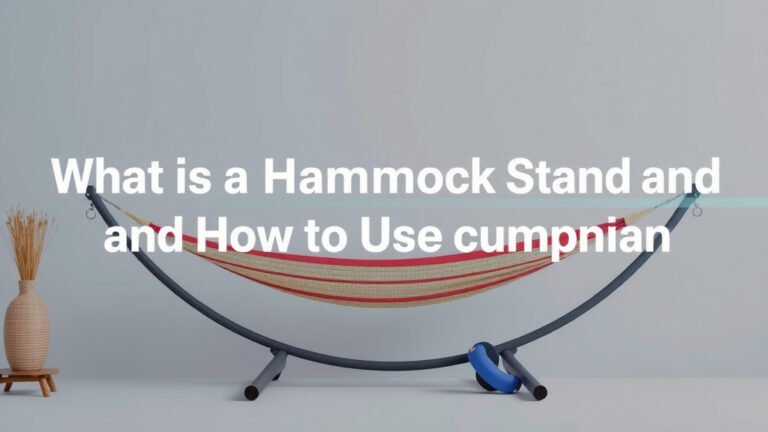
Absolutely. Hammock stands are designed to provide stable anchor points. You’ll still need to adjust the distance between the stand’s attachment points and potentially the tension of your suspension system. This allows you to achieve the correct sag just like with trees.