
Perfect Hammock Hang Distance: How to Measure Yours
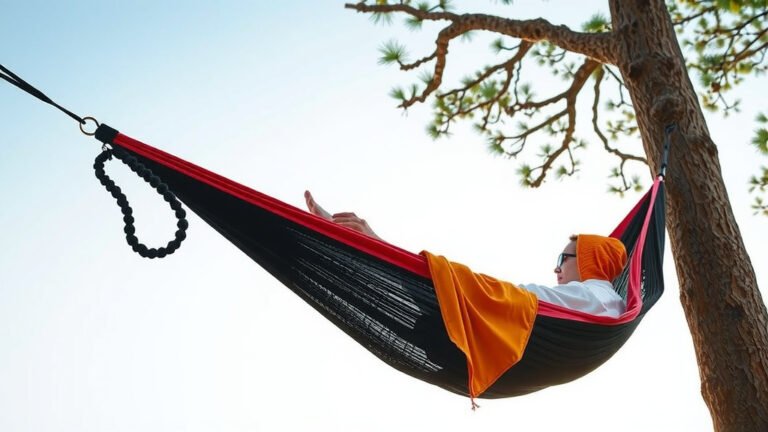
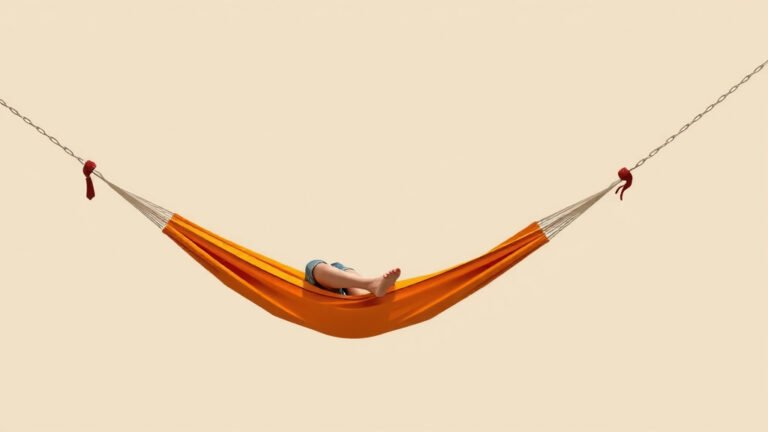
Measuring your hammock hang distance is all about finding that sweet spot for comfort. The ideal hang distance typically uses a 30-degree sag angle. This means your hammock should hang about 12-18 inches down for every 10 feet of span between your anchor points. Getting this right means a relaxing, jungle-like experience.
Knowing your hammock’s hang distance prevents it from feeling too tight or too loose. A too-tight hang makes it hard to get into and uncomfortable to lie in. A too-loose hang can feel unstable and might not support you properly. We found that dialing in this **hang angle** is key to enjoying your hammock.
- Aim for a 30-degree sag angle.
- The rule of thumb is 12-18 inches drop per 10 feet of span.
- This ensures a comfortable and stable lay.
- Too tight is uncomfortable; too loose is unstable.
Ready to figure out your perfect hang? Let’s walk through exactly how to measure it step by step.
Getting Your Hammock Hang Just Right
Achieving that perfect hammock sag is more art than science, but we can break it down. You’re aiming for a cozy, comfortable cradle. This means finding the ideal distance between your anchor points. It’s the key to a relaxing nap or a peaceful read. We’ve found that a little attention here goes a long way.
Understanding the Magic Angle: The 30-Degree Rule
The secret to a great hang is all about the angle. Experts and experienced hammock campers consistently point to a 30-degree sag. Think of it like a contented cat stretching out. It’s not pulled taut like a drum, nor is it a floppy mess. This angle provides support and comfort.
What Does 30 Degrees Look Like?
Translating that angle into real-world measurements is straightforward. For every 10 feet of space between your trees or posts, you want your hammock to drop about 12 to 18 inches. This is your golden ratio for a great hang. It gives you enough room to lie down comfortably.
Quick Calculation Example
Let’s say you have 20 feet between your anchor points. You’d multiply that 12-18 inch drop by two. So, you’re looking for a drop of 24 to 36 inches total between your suspension points. This calculation helps you visualize the hang before you even set it up.
Why This Angle Matters So Much
A hang that’s too tight, meaning less sag, will feel restrictive. You’ll struggle to get in and out. Lying flat becomes nearly impossible. On the flip side, too much sag, like a deep U-shape, can make you feel unstable. Your hammock might not distribute your weight evenly. This can lead to discomfort and could even feel unsafe.
Measuring Your Hammock Hang: Step-by-Step
Now, let’s get practical. You’ll need a few basic tools. A tape measure is essential. You might also want some rope or cordage to help with initial setup. Having a friend can make this process much easier.
Step 1: Find Your Anchor Points
First, identify where you’ll hang your hammock. These are usually trees, but they could also be sturdy posts or dedicated hammock stands. Ensure your anchors are strong and healthy. We’ve found that checking the bark and stability is a good first step. Avoid dead or rotting trees.
Step 2: Measure the Span
Once your anchors are selected, measure the distance between them. This is your span. Use your tape measure to get an accurate reading. Knowing this number is crucial for the next steps. You can measure this along the ground or at the height you plan to hang your hammock.
Step 3: Mark Your Target Hang Height
Now, decide on your desired hang height. A common and comfortable height is about 18 inches off the ground when no one is in it. This prevents you from dragging on the ground when you settle in. You can mark this height on one of your anchor points. Some hammock straps have built-in markers, which can be helpful.
Step 4: Calculate Your Drop
Using your measured span, calculate the required drop. Remember the 12-18 inch drop per 10 feet rule. For a 15-foot span, you’d aim for a drop of roughly 18 to 27 inches. Let’s say you target a 20-inch drop for your 15-foot span. This means the point where your hammock will attach should be 20 inches lower than your anchor point’s starting height at the other end, relative to the horizontal span.
Step 5: Adjust and Test
Attach your hammock suspension system to your anchor points. Adjust the straps or cords until you achieve the calculated drop. You can use your tape measure to check the height difference between your suspension points. Once you think you’re close, carefully get into your hammock. Have a friend watch the sag. Does it feel comfortable? Can you lie down flat?
Troubleshooting Common Issues
If your hammock feels too tight, shorten the span or adjust your suspension to allow more drop. If it feels too loose, you’ll need to shorten the suspension or move your anchor points closer together. Minor adjustments can make a big difference. We found that experimenting with small changes is key.

A Simple Checklist for the Perfect Hang
- Measure the distance between your anchor points (your span).
- Decide on your desired hang height off the ground.
- Calculate the target drop using the 12-18 inches per 10 feet rule.
- Attach your suspension and adjust until the drop is achieved.
- Test the hang by sitting in the hammock.
- Make small adjustments as needed for optimal comfort.
Understanding Your Hammock’s Length and Suspension
It’s important to remember that your hammock’s length and the type of suspension you use will influence your final hang. Longer hammocks often require a bit more space to achieve the ideal sag. Similarly, different suspension systems (like whoopie slings or daisy chains) have their own ways of adjusting tension and hang distance.
How Suspension Type Affects Your Hang
Some suspensions, like whoopie slings, offer very fine adjustments. This makes dialing in that perfect 30-degree angle easier. Others, like daisy chains, might offer more distinct increments. You might need to get creative to hit your exact target. We’ve found that understanding your specific suspension is a big help.
| Span Between Anchors | Target Drop (Approximate) |
|---|---|
| 10 feet | 12-18 inches |
| 15 feet | 18-27 inches |
| 20 feet | 24-36 inches |
| 25 feet | 30-45 inches |
This table gives you a good starting point. Remember, these are guidelines. Your personal comfort is the ultimate judge. Many campers start with these numbers and then fine-tune based on their feel.
The Importance of a Balanced Setup
Consistency is key. You want both sides of your hammock to have a similar amount of sag. This ensures your weight is distributed evenly. Uneven sag can lead to one side being too tight or too loose. It can also make you feel like you’re sliding out of the hammock. A balanced setup offers the most stability and comfort.
Conclusion
You’ve learned how to measure your hammock hang distance for ultimate comfort. Remember, the goal is that perfect 30-degree sag, which typically means a 12-18 inch drop for every 10 feet of span. This angle prevents discomfort from a too-tight hang or instability from a too-loose one. By following the simple steps of measuring your span, calculating your drop, and testing, you’re well on your way to hammock bliss. Your next step is to grab your tape measure and find your ideal outdoor relaxation spot!
Frequently Asked Questions
What’s the easiest way to check my hammock’s hang angle?
The simplest method involves measuring the vertical drop from your anchor points. For every 10 feet of distance between your anchors, aim for about 12-18 inches of sag. You can use a tape measure to confirm this drop after setting up your suspension.
How do I adjust if my hammock feels too tight?
If your hammock feels too tight, you’ll need more sag. This usually means adjusting your suspension to allow the hammock to hang lower. You might need to move your anchor points further apart if possible, or use a suspension system that offers longer adjustment options.
My hammock feels too loose and saggy. What should I do?
A hammock that’s too loose likely needs a tighter hang. Try shortening your suspension system or moving your anchor points closer together. You want to reduce the overall vertical drop to achieve a more stable, comfortable lay.
Does the length of my hammock affect the hang distance?
Yes, your hammock’s length plays a role. Longer hammocks generally need more space between anchor points to achieve the ideal sag. If you have a longer hammock, you might find you need a wider span to get that perfect 30-degree angle comfortably.
Can I use a hammock stand and still get the right hang distance?
Absolutely! Hammock stands have fixed anchor points, but you can still adjust your hammock’s suspension to achieve the proper hang. Measure the distance between the stand’s attachment points and calculate your target drop based on that span.