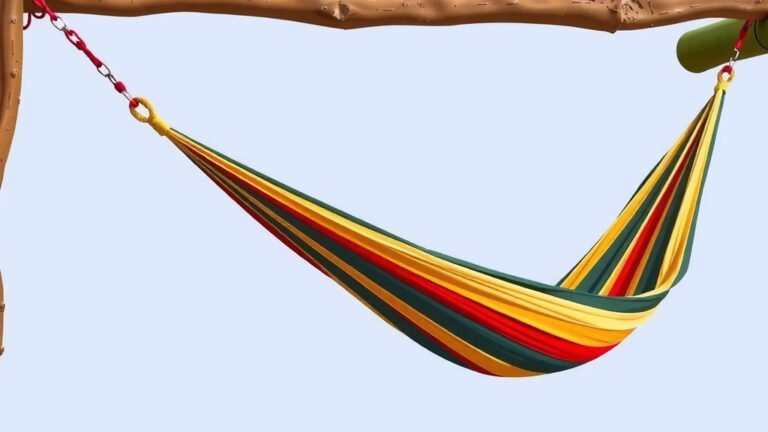

How to Tighten a Rope Hammock: A Simple Step-by-Step Guide
You can tighten a rope hammock by shortening the hanging points—raise the hooks or spreader bar ends, or tie new knots closer to the rope ends. If the ropes themselves have stretched, gather and knot the loose strands near the suspension loops to pull the weave snug again.
Over time, every rope hammock sags. New ropes stretch with use, older ones relax, and suddenly you’re lying on the ground wondering where it all went wrong. Sound familiar? We researched this problem and found that a few simple knot techniques and small hanging adjustments solve most sagging issues without buying anything new. Many experts say checking your hammock’s hang angle and knots each season keeps it comfortable for years.
- Fix sag by raising your hanging points or shortening the rope gaps.
- Tie gather knots in stretched ropes to tighten the weave back up.
- Check and retie knots every few weeks during hammock season.
- Most fixes take under 15 minutes and cost nothing.
- Replace frayed ropes when tightening alone won’t do the trick.
Below, we break down everything you need to know about tightening a rope hammock, step by step, so you can get back to lounging in comfort.
Tightening Your Rope Hammock Without Buying New Gear
The fastest fix is to shorten the distance between your two hanging points. Raise the hooks, move the posts closer, or retie your suspension a few inches shorter. If the weave itself has stretched, tie gather knots in the loose rope strands to pull it snug again.
Think of it like tightening a belt one notch. You don’t replace the belt; you just adjust it. Your hammock works the same way.
Why Your Rope Hammock Sags in the First Place
Rope stretches. It’s that simple. New cotton rope can stretch noticeably in the first few weeks of use. Even polyester and polypropylene ropes relax over time under your body weight.
We also found that moisture plays a big role. Wet ropes sag, then dry slightly stiff, and repeat. Add sunlight, which weakens fibers (the CDC notes UV exposure degrades many outdoor materials), and you’ve got a hammock that slowly becomes a ground mat.
Signs It’s Time to Tighten Things Up
Your hammock will tell you when it needs help. Watch for these clues:
- Your bottom or elbows touch the ground when you climb in.
- The rope weave looks loose or gappy between spreader bars.
- You can pull individual strands more than an inch by hand.
- Getting in and out feels awkward or wobbly.
Adjusting Your Hanging Points First
Start here before touching any knots. Raising your anchor points is the easiest fix, and it takes about five minutes.
Move each hook, ring, or tree strap loop up a few inches. Then test the hang. Many experts say a good hammock hang forms a shallow banana shape, around a 30-degree angle from each anchor. Too flat and you’ll feel squeezed; too steep and the ropes strain.
Fixing Tree Straps and Hooks
If you use tree straps, just re-thread the strap through a closer loop. Done. If you use hooks on posts or walls, drill new pilot holes higher up, or use a hanging kit that allows adjustments.
Never move hooks by forcing them into old holes. Fill old holes first so the wood stays strong.
Shortening Chains Safely
Some hammocks hang from chains. In that case, remove a link or two on each side with pliers, or shift the carabiner to a closer link. Keep both sides even, or you’ll roll to one side all afternoon.
Retightening the Weave With Gather Knots
When the ropes between the spreader bars stretch, knots are your friend. A gather knot bunches loose strands together and shortens the weave without cutting anything.
Here’s how we’d do it, step by step:
- Lay the hammock flat and spot the stretched section.
- Gather 8 to 10 loose rope strands at one spot near the edge.
- Loop them together and tie a firm overhand knot, leaving a small tail.
- Pull it tight, then test with your hand weight.
- Repeat on the other side to keep things balanced.
Check your knot after a day of lounging. Rope settles, so a quick re-tighten is normal.
Knot Choices That Hold Well
The overhand knot is fine for small adjustments. For bigger fixes, use a figure-eight knot, which holds under weight and unties easier later. Avoid slip knots; they creep and loosen when you shift around.
If you’re nervous about knots, practice on a short piece of scrap rope first. Everybody fumbles their first bowline. Nobody’s watching.
When Tightening Isn’t Enough
Sometimes rope is too worn to save. If strands look fuzzy, thin, or cracked, no knot will make them safe. Rope that has lost more than a third of its thickness should be replaced.
Check the spreader bars too. Cracked wood or bent bars make the whole hammock unstable, no matter how tight the ropes are. Safety guidance from sources like the Consumer Product Safety Commission stresses checking load-bearing gear regularly, and hammocks count.
Replacing a Single Rope Strand
Good news: you can replace one strand without rebuilding the whole weave. Cut matching rope, thread it along the same path as the old strand, and tie it off at both ends with the same knot pattern. Weave in a short over-under section to match the neighbors, and you’re done.

Seasonal Care Checklist for a Snug Hammock
We found that a quick seasonal routine prevents most sag problems. Run through this list at the start of hammock season, then monthly:
- Inspect ropes for fraying, fuzz, or thin spots.
- Test knots and retie anything that slipped.
- Check the hang angle and raise anchors if it sags past 30 degrees.
- Look over spreader bars for cracks or splinters.
- Dry the hammock fully after rain before storing it.
- Store it indoors during winter to slow fiber wear.
Quick Reference: Sag Problems and Fixes
| Problem | Best Fix | Time Needed |
|---|---|---|
| Overall hang too low | Raise hooks or move straps up | 5 minutes |
| Weave stretched between bars | Tie gather knots in strands | 10-15 minutes |
| One side lower than the other | Even out both anchor points | 5 minutes |
| Rope frayed or thin | Replace strands | 30-60 minutes |
| Wet hammock sagging | Dry fully, then recheck hang | A few hours |
Small Habits That Keep Ropes Tight Longer
A few easy habits slow down stretching. Bring the hammock inside during heavy rain. Rotate where you lie so one spot doesn’t take all the wear. And avoid jumping in; sit first, then swing your legs up gently.
Mayo Clinic guidance on outdoor gear care generally points to keeping fabrics and fibers dry and shaded, and rope hammocks follow the same rule. Less sun and moisture means less stretching.
Treat your hammock like a good friend: check in now and then, don’t take it for granted, and it’ll hold you up when you need it most.
Conclusion
A sagging hammock doesn’t mean the end of lazy afternoons. We found that raising your anchor points and tying a few gather knots handles most sag in under 15 minutes. Check your ropes each season, keep both sides even, and swap out any strands that look frayed or thin. Your hammock wants to hold you up; it just needs a little adjustment now and then. So grab some rope, head outside, and give your hammock a quick once-over today. You’ll be back to floating comfortably by this weekend.
Frequently Asked Questions
How tight should a rope hammock be?
Aim for a shallow curve, like a smile, when nobody’s in it. Once you lie down, the hammock should settle about 18 inches off the ground at its lowest point. If your bottom grazes the grass, it’s too loose.
Can you tighten a hammock without tying knots?
Yes, if the problem is the hang rather than the weave. Move your tree straps to closer loops, raise your hooks, or shift a carabiner down the chain. Knots only matter when the rope strands themselves have stretched out.
Why does my hammock sag more on one side?
Uneven anchor heights or mismatched rope lengths are usually the cause. Measure both sides and adjust until they match. Also check that your gather knots are tied at the same spot on each end.
Does wet weather make a rope hammock stretch?
It does. Wet fibers soften and sag under your weight, then dry slightly stiff and stretched. Dry your hammock fully after rain, and bring it inside during long wet spells to slow the process down.
How long do rope hammocks usually last?
With regular care, most last several seasons of steady use. Cotton ropes wear faster than polyester, especially in sun and rain. Storing your hammock indoors during winter and keeping it dry adds real years to its life.