Hammock Suspension Explained: Everything You Need to Know
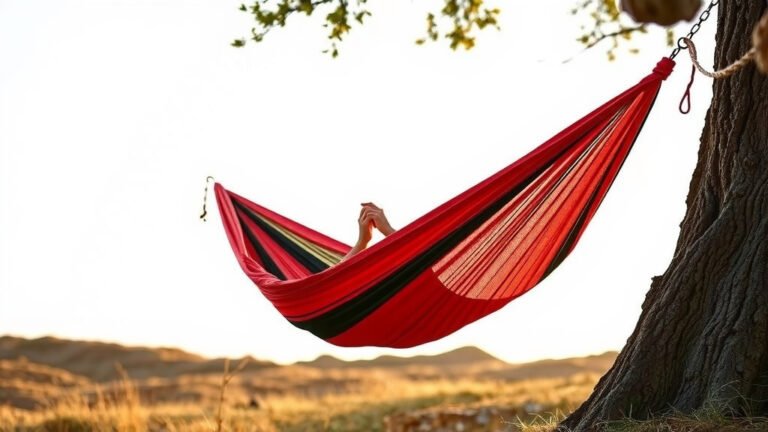
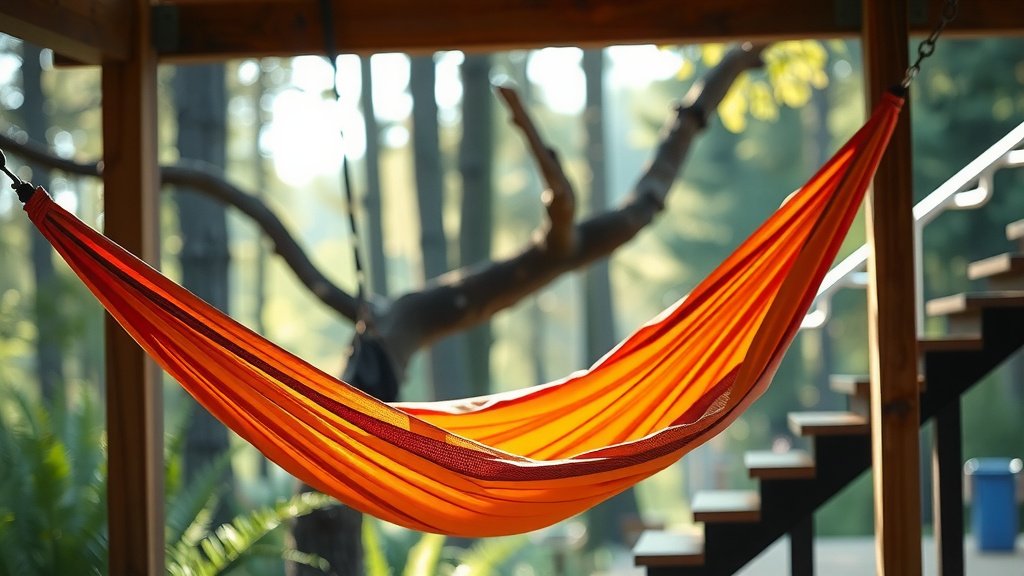
Hammock suspension is the system of straps, ropes, or cords you use to hang your hammock. It connects your hammock to sturdy anchor points like trees or posts. Think of it as the “hands” holding up your hammock, making sure it stays put while you relax.
Getting this right means a secure and comfortable hang every time. You want suspension that’s easy to adjust for the perfect sag. It’s key to enjoying your hammock without worry. We’ll help you understand your options.
- Hammock suspension is how you hang your hammock.
- It uses straps, ropes, or cords.
- Anchor points like trees or posts are needed.
- Proper suspension ensures a safe and comfy hang.
- Adjustability is important for the perfect setup.
Let’s walk through exactly how hammock suspension works and what you need to know to pick the best setup for your adventures.
Understanding Your Hammock’s Hanging System
So, you’ve got a hammock and you’re ready to relax. But how do you actually get it up in the air? That’s where the hammock suspension system comes in. It’s the crucial link between your hammock and whatever you’re hanging it from. Think of it as the backbone of your chill-out zone.
The primary job of your suspension is to securely hold your weight. It needs to be strong and reliable. Without the right setup, your hammock dreams can quickly turn into a bumpy landing. We’ll break down what makes up these systems and why they matter.
The Core Components of Hammock Suspension
Most hammock suspension systems are made up of a few key parts. Understanding these will help you choose the right one for your needs. They all work together to keep you safely suspended.
Straps or Rope: The Bridge to Your Anchor
This is the material that wraps around your anchor point, like a tree trunk. You’ll find suspension systems using either webbing straps or rope. Each has its pros and cons.
Webbing Straps
Webbing straps are a very popular choice. They’re typically made from strong nylon or polyester. These straps are wide, which helps distribute pressure. This is good for the health of trees.
Many hammock campers prefer straps because they are easy to use and adjust. They often come with built-in loops or a buckle system. This makes connecting your hammock a breeze. You can usually adjust the tension by simply moving a strap to a different loop. It’s a straightforward process.
Rope
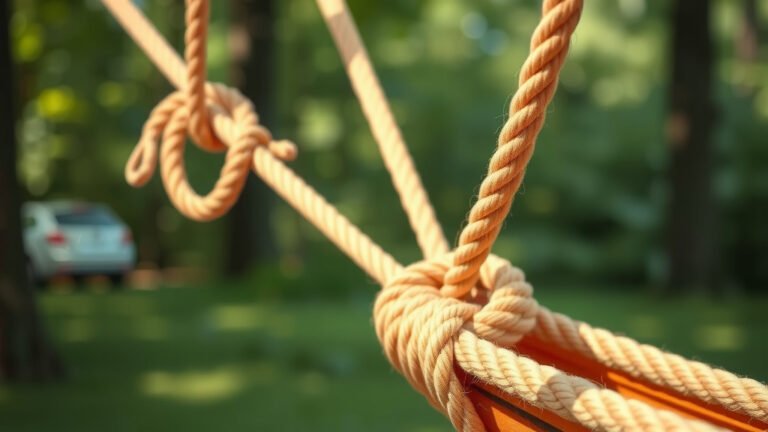
Rope suspension is a more traditional method. It can be made from various materials like paracord or specialized climbing ropes. While strong, rope can sometimes dig into tree bark if not used carefully.
Using rope often requires learning a few knots. Knots like the bowline or trucker’s hitch are common. These knots provide a secure hold. However, they can take a little practice to master. Once you get the hang of it, rope is a very dependable option.
Hardware: The Connectors and Adjusters
This category includes all the metal or plastic bits that help connect your suspension to your hammock. They are vital for a sturdy setup.
Carabiners
Carabiners are often used to connect your suspension straps or ropes to your hammock’s end loops. They are strong metal clips. They allow for quick attachment and detachment.
Look for lightweight, strong carabiners designed for climbing or camping. They provide a reliable connection point. Make sure they are rated for the weight you expect to put on them. Safety first is always a good motto here.
Buckles and Tensioners
Some suspension systems use specialized buckles or tensioning devices. These can make adjusting the hang much simpler. You might find systems with ladder-lock buckles or toggles.
These devices allow you to fine-tune the sag of your hammock. A perfect sag means a more comfortable experience. You can often get the ideal tension without having to retie knots. This saves time and frustration.
The Hammock Itself: Attachment Points
Finally, don’t forget the part of your hammock that attaches to the suspension. Most hammocks have strong loops or “whoopie slings” sewn into their ends. These are specifically designed to take the stress.
Ensure these attachment points on your hammock are in good condition. Look for any signs of wear and tear. A frayed loop can be a weak point. You want them to be as robust as the rest of your suspension. This completes the chain of safety.
Choosing the Right Suspension for You
The best suspension system for you depends on your priorities. Are you looking for ease of use, weight savings, or tree-friendliness?
Key Factors to Consider
When you’re shopping, keep a few things in mind. Think about where you’ll be hanging your hammock. This often guides your choice.
- Weight Capacity: Always check the weight limit for the entire system.
- Adjustability: How easy is it to get the perfect sag?
- Tree Protection: Some options are gentler on bark.
- Durability: Will it last for many adventures?
- Weight: Especially important if you’re backpacking.
Common Suspension System Types
Here’s a quick look at some common setups:
| System Type | Pros | Cons | Best For |
|---|---|---|---|
| Webbing Straps with Loops | Easy to use, tree-friendly, adjustable | Can be bulkier than rope | Beginners, car camping |
| Rope with Knots | Lightweight, very strong, simple | Requires knot tying, can damage trees if not careful | Backpacking, ultralight setups |
| Suspension with Buckles/Tensioners | Very easy adjustment, fast setup | Can be more expensive, heavier than rope | Campers who value convenience |
Setting Up for Success: A Quick Checklist
To ensure a safe and enjoyable hang, always do a quick check before you settle in.
- Confirm anchor points are sturdy and healthy.
- Inspect all straps, ropes, and hardware for damage.
- Double-check that all connections are secure.
- Test the hang gently before fully committing your weight.
- Ensure your hammock has the perfect amount of sag for comfort.
- Never hang a hammock over hazardous areas.
By understanding your hammock suspension, you’re setting yourself up for many relaxing moments. It’s not just about hanging a hammock; it’s about creating a safe and comfortable escape. Now you know what to look for!
Conclusion
You now understand that hammock suspension is your connection to comfort and safety. It’s the reliable system of straps, ropes, and hardware that keeps you suspended. Whether you choose easy-to-use webbing straps or lightweight rope, the key is a secure and adjustable hang. Properly chosen and set up suspension ensures you can relax worry-free. Before your next outing, always double-check your anchor points and all components.
Your next step is to assess your typical hanging spots and decide which suspension type best fits your adventures. Happy hanging!
Frequently Asked Questions
What is the easiest hammock suspension for beginners?
For beginners, webbing straps with pre-sewn loops are generally the easiest to use. They don’t require knot tying and allow for quick adjustments by simply moving the strap to a different loop. This makes getting a comfortable hang much simpler.
Are rope suspensions bad for trees?
Rope can potentially damage tree bark if it’s thin or if the rope is under high tension. Using wider webbing straps is a more tree-friendly option as they distribute pressure more evenly. If you use rope, consider adding a tree-saver strap or sleeve.
How do I know if my hammock suspension is strong enough?
Always check the manufacturer’s weight rating for your specific suspension system. Most camping hammock suspensions are designed to hold at least 200-300 pounds, often much more. Inspect your straps, ropes, and hardware for any signs of wear or damage before each use.
What is “sag” in hammock suspension and why does it matter?
Sag refers to the curve or angle of your hammock when it’s hung. The ideal sag is typically around a 30-degree angle on each side. Proper sag distributes your weight comfortably and prevents the hammock from feeling too tight or too loose.
Can I use climbing rope for hammock suspension?
Yes, strong climbing rope can be used for hammock suspension. It’s very durable and can be lightweight. However, remember that climbing rope is designed for dynamic loads and can be thinner, potentially posing a risk to tree bark without protection like webbing straps.