
What Is a C Stand for a Hammock Chair? Complete Guide
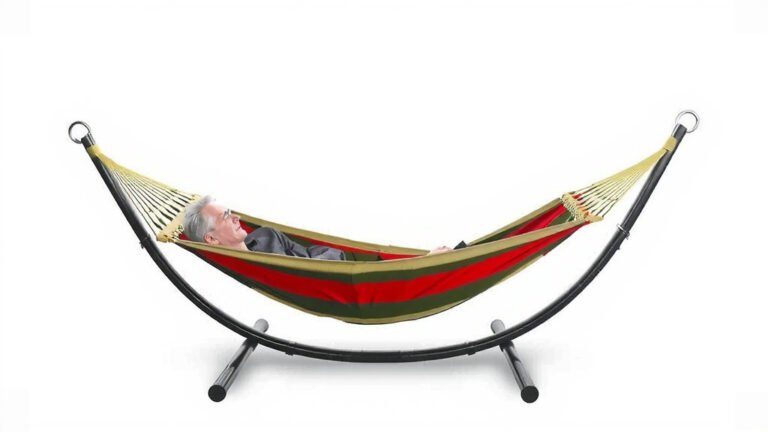
A C stand for a hammock chair is a curved, freestanding metal frame shaped like the letter “C” that holds your hammock chair without needing a tree, ceiling hook, or wall anchor. You simply hang the chair from the top arm, and the weighted base keeps everything steady. It’s basically your hammock chair’s best friend.
Why does this matter? Because not everyone has a sturdy beam or a big porch beam to hang from. We researched the options and found that a C stand gives you total freedom — you can place your chair in a corner, on a patio, or even move it around the house. Many experts say the best stands are made of powder-coated steel, since that resists rust and handles outdoor weather well.
- A C stand is a freestanding frame, so no drilling or hanging hardware needed.
- It works indoors and outdoors, as long as the base is stable.
- Most quality stands use steel with a rust-resistant coating.
- Weight capacity usually ranges from 250 to 350 pounds — always check before you buy.
- Setup is simple and usually takes under 15 minutes.
Below, we break down everything you need to know about C stands — how they work, what to look for, and whether one is right for your space. Ready to find your perfect relaxation spot?
How a C Stand Works With Your Hammock Chair
A C stand works like a giant, sturdy hook on a stand. The curved top arm reaches over your chair, and the chair hangs from it. The weighted base sits under the chair, so gravity keeps everything balanced.
Think of it like a fishing rod holding a prize catch. The arm bends out, the weight sits back, and the whole thing stays put. We found that most stands use this simple counterbalance idea — no cables, no anchors, no magic.
Because the base sits directly under the hanging point, the stand doesn’t tip. That’s the big trick. If the base were off to the side, your chair would slowly wander across the room. Nobody wants a rocking chair with wanderlust.
Parts of a Typical C Stand
Most C stands share the same basic anatomy. Once you know the parts, shopping gets a lot easier.
The Base
The base is the heavy bottom section that touches the floor. It can be a flat plate, cross-shaped legs, or a curved sled-style foot. Heavier bases mean less wobble.
The Vertical Pole
This is the backbone. It runs from the base up to the arm. Many stands use two or three interlocking sections, which makes shipping and storage easier.
The Curved Top Arm
The arm is the “C” part. It curves out and over, ending in a hook or hanging loop where your chair attaches. Some arms have a spring or carabiner at the tip for extra security.
Hardware and Extras
You’ll usually get an S-hook, a spring, and sometimes rubber feet. Small parts, big difference. Rubber feet protect hardwood floors and add grip on slick patios.
C Stand vs. Other Hammock Chair Stands
Not all stands look like a letter of the alphabet. Here’s how the C stand stacks up against the usual suspects.
| Stand Type | Footprint | Best For | Watch Out For |
|---|---|---|---|
| C stand | Small, fits corners | Tight rooms, patios | Check weight limit |
| A-frame | Wide, triangle legs | Open spaces, porches | Takes more floor space |
| Tripod style | Round, three legs | Versatile placement | Legs can trip guests |
| Beam/ceiling hook | None | Permanent setups | Drilling required |
If space is tight, the C stand usually wins. It hugs a wall and leaves the walkway free.
Why Choose a C Stand? The Real Benefits
The biggest benefit is freedom of placement. No trees? No studs? No problem. Your chair goes wherever you want it.
You also get portability. Many stands break down into a few pieces, so you can move it from the living room to the deck in minutes. It’s like furniture with commitment issues — in a good way.
And honestly, there’s a comfort angle too. Relaxing in a gently swinging chair is a classic way to unwind. Research on relaxation techniques from the NIH suggests calming routines can help manage everyday stress, and a cozy chair makes that routine easy to stick with.
What to Look for Before You Buy
We found that a few specs matter more than the rest. Focus on these and you’ll skip most buyer’s remorse.
Weight Capacity
Most stands hold 250 to 350 pounds. Match the stand’s rating to your body weight plus some cushion. If the limit is 300 and you weigh 280, keep shopping.
Material and Coating
Look for powder-coated steel. The coating fights rust and scratches. For outdoor use, this matters a lot — bare metal and rain don’t get along.
Base Design and Stability
Wider or heavier bases wobble less. Check reviews for mentions of tipping or rocking on hardwood. A stand that scoots around is a stand you’ll resent.
Height and Chair Fit
Measure your chair’s hanging height before buying. Your seat should float around 18 inches off the floor — about chair height — so getting in and out feels natural.
Setting Up Your C Stand in Minutes
Most setups take under 15 minutes with no tools, or just one included wrench. Here’s your quick checklist:
- Unbox and sort all parts on the floor first.
- Connect the pole sections until each clicks or tightens.
- Attach the curved arm at the top of the pole.
- Position the base where you want the chair to hang.
- Hang the chair with the included hook or spring.
- Test gently — sit slowly the first time.
That’s it. If something feels loose, tighten it before you plop down. Your tailbone will thank you.

Indoor vs. Outdoor Use
Indoors, almost any C stand works. Just add rubber feet or a rug underneath to protect floors and stop sliding.
Outdoors, the rules change. Rain, sun, and humidity are hard on metal. Experts generally recommend powder-coated or weather-treated steel for outdoor gear, and many manufacturers suggest storing stands indoors during harsh winters. A cover helps too — think of it as a raincoat for your stand.
Safety Tips You Shouldn’t Skip
C stands are simple, but a few habits keep them safe:
- Respect the weight limit — always, no exceptions.
- Sit down slowly; dropping in stresses the frame.
- Check bolts and hooks monthly for looseness.
- Keep kids from climbing the arm like a jungle gym.
- Level the surface — a stand on an uneven patio can tip.
Small checks, big peace of mind.
Common Questions People Have About C Stands
Will It Damage My Floors?
Usually no. Most stands have rubber or plastic foot pads. If yours doesn’t, furniture pads cost a dollar and solve the problem.
Can Any Hammock Chair Fit?
Most standard chairs with a single hanging loop fit fine. Check the arm height and the chair’s spread — wide bar chairs need a taller, wider arm.
Do They Tip Over Easily?
A quality stand with a proper base shouldn’t tip in normal use. Problems show up when someone exceeds the weight limit or sets the stand on uneven ground. Follow the limits and you’re fine.
Is a C Stand Right for You?
If you want a hammock chair without drilling a single hole, a C stand is hard to beat. It suits apartments, rentals, corners, and anyone who likes rearranging furniture on a whim.
If you have a perfect beam or tree branch, you might skip it. But for most of us? We found that a C stand turns “someday I’ll hang a chair” into “I’m relaxing right now.” And that sounds like a pretty good trade.
Conclusion
A C stand is the simplest way to enjoy a hammock chair without touching a drill. You now know how the curved arm and weighted base work together, which specs matter most, and how to set one up in minutes. We found that the sweet spot is a powder-coated steel stand with a weight rating comfortably above yours and a base that stays put on your floor. Pick your spot, assemble it, and test it gently. Your next step is easy: measure your space and your chair, then choose a stand that fits both. Cozy evenings are closer than you think.
Frequently Asked Questions
How much floor space does a C stand actually need?
Most C stands need roughly a 3 to 4 foot square of floor space, though the curved design lets you tuck the base close to a wall. Measure your spot before ordering, and leave a little breathing room for the swing.
Can I use a C stand on carpet?
Yes, but expect a bit more wobble than on hard floors. Carpet padding can compress under the base, so check that the stand sits level. A firm, flat rug pad underneath often helps.
Will a C stand work with a hammock chair that has spreader bars?
Usually yes, as long as the arm is tall enough for the chair to hang properly. Spreader-bar chairs swing less and hang wider, so confirm the arm height and clearance in the stand’s specs first.
How long does a C stand last?
A well-made steel stand kept indoors can easily last many years. Outdoor stands wear faster unless they’re powder-coated and stored during harsh weather. Regular checks of bolts and hooks stretch the lifespan further.
Can two people sit in a hammock chair on a C stand?
We’d advise against it unless the stand is explicitly rated for it. Most stands support 250 to 350 pounds, and combined weight plus swinging motion can stress the frame. One person per chair keeps things safe.